

Filter by
System of Measurement


Performance
Container Type

Filler Material
Minimum Printing Temperature
Clarity



Flexibility


Maximum Printing Temperature
Manufacturer
Hardness
Export Control Classification Number (ECCN)

DFARS Specialty Metals
UV- and Impact-Resistant ASA 3D Printer Filaments
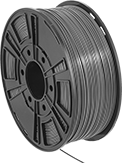 |  |
Gray |
Best for outdoor use, parts made from these ASA filaments are UV resistant, so they won't warp or crack from prolonged sun exposure. They’re also durable, so they absorb impact without breaking and won’t degrade when heated.
Use with fused filament fabrication (FFF) 3D printer. These filaments have a high melting point and must be printed onto a heated bed. Without it, parts will cool too quickly and warp. These filaments also release fumes as they are printed, so use an enclosed printer or a fume exhauster to ventilate them.
Maximum exposure temperature is the point at which a printed part will begin to deform. Above this temperature, your printed parts will start to lose structural integrity.
Tensile Strength—Tensile strength is the best measure of a filament's overall strength. Similar to the stress applied on a rope during a game of tug-of-war, it's the amount of pulling force a material can handle before breaking. A higher rating means a stronger filament. A tensile strength of 5,000 psi and above is considered good; 12,000 psi and above is excellent.
Spool, mm | |||||||||||||||||||||||||||||||||||||||||||||||||||||||||||||||||||||||||||||||||||||||||||||||||||
|---|---|---|---|---|---|---|---|---|---|---|---|---|---|---|---|---|---|---|---|---|---|---|---|---|---|---|---|---|---|---|---|---|---|---|---|---|---|---|---|---|---|---|---|---|---|---|---|---|---|---|---|---|---|---|---|---|---|---|---|---|---|---|---|---|---|---|---|---|---|---|---|---|---|---|---|---|---|---|---|---|---|---|---|---|---|---|---|---|---|---|---|---|---|---|---|---|---|---|---|
Dia., mm | Printing Temp. | For Printer Bed Temp. | Tensile Strength, psi | Max. Exposure Temp. | For Min. Nozzle Opening Dia., mm | Dia. | Dp. | Wt., g | Color | Each | |||||||||||||||||||||||||||||||||||||||||||||||||||||||||||||||||||||||||||||||||||||||||
ASA | |||||||||||||||||||||||||||||||||||||||||||||||||||||||||||||||||||||||||||||||||||||||||||||||||||
| 1.75 | 235° to 255° C 455° to 491° F | 90° to 110° C 194° to 230° F | 6,520 | 95° C 203° F | 0.4 | 200 | 75 | 1,000 | Gray | 1317N541 | 000000 | ||||||||||||||||||||||||||||||||||||||||||||||||||||||||||||||||||||||||||||||||||||||||
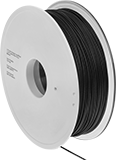
Easy-Print PLA 3D Printer Filaments
 |
 |
Gray |
The most commonly used 3D printing material, these PLA filaments make detailed parts at a low melting point, so they won’t warp as they cool, rarely clog nozzles, and don’t require a heated printer bed. They’re also unlikely to drip and produce plastic strings for a clean finished part. In general, they’re best for printing prototypes instead of load-bearing parts since they’re not as strong as ABS or as heat resistant as PEEK. Print them on a fused filament fabrication (FFF) 3D printer.
Filaments with an annealing temperature can be heat treated to make parts harder, stronger, and better at resisting heat. To anneal, heat your finished part to the listed temperature and then let it cool slowly.
Maximum exposure temperature is the point at which a printed part will begin to deform. Above this temperature, your part will start to lose structural integrity. Filaments that can be annealed are also rated for maximum temperature after annealing, which is the new maximum exposure temperature once that process completes.
Iron Filled and Stainless Steel Filled—Stainless steel-, iron-, copper-, and brass-filled PLA filaments are heavier and transfer heat better than plastic-only filaments. Brush, sand, or polish printed parts for a metallic finish. Stainless steel and iron are abrasive, so use them with abrasion-resistant nozzles only. Iron will also rust if exposed to water.
Tensile Strength—Tensile strength is the best measure of a filament's overall strength. Similar to the stress applied on a rope during a game of tug-of-war, it's the amount of pulling force a material can handle before breaking. A higher rating means a stronger filament. A tensile strength of 5,000 psi and above is considered good; 12,000 psi and above is excellent.
Spool | Each | ||||||||||||||||||||||||||||||||||||||||||||||||||||||||||||||||||||||||||||||||||||||||||||||||||
|---|---|---|---|---|---|---|---|---|---|---|---|---|---|---|---|---|---|---|---|---|---|---|---|---|---|---|---|---|---|---|---|---|---|---|---|---|---|---|---|---|---|---|---|---|---|---|---|---|---|---|---|---|---|---|---|---|---|---|---|---|---|---|---|---|---|---|---|---|---|---|---|---|---|---|---|---|---|---|---|---|---|---|---|---|---|---|---|---|---|---|---|---|---|---|---|---|---|---|---|
Dia., mm | Printing Temp. | For Printer Bed Temp. | Tensile Strength, psi | Hardness | Max. Exposure Temp. | Annealing Temp. | Max. Temp. After Annealing | For Min. Nozzle Opening Dia., mm | Dia., mm | Dp., mm | Material | Wt., g | 1-9 | 10-Up | |||||||||||||||||||||||||||||||||||||||||||||||||||||||||||||||||||||||||||||||||||||
PLA—Easy Print | |||||||||||||||||||||||||||||||||||||||||||||||||||||||||||||||||||||||||||||||||||||||||||||||||||
Opaque Gray | |||||||||||||||||||||||||||||||||||||||||||||||||||||||||||||||||||||||||||||||||||||||||||||||||||
| 1.75 | 190° to 220° C 374° to 428° F | 25° to 60° C 77° to 140° F | 3,840 | Not Rated | 59° C 138° F | — | — | 0.4 | 200 | 65 | Cardboard | 1,000 | 1317N207 | 000000 | 000000 | ||||||||||||||||||||||||||||||||||||||||||||||||||||||||||||||||||||||||||||||||||||
PLA—Easy Print, Warp Resistant | |||||||||||||||||||||||||||||||||||||||||||||||||||||||||||||||||||||||||||||||||||||||||||||||||||
Semi-Clear Gray | |||||||||||||||||||||||||||||||||||||||||||||||||||||||||||||||||||||||||||||||||||||||||||||||||||
| 1.75 | 195° to 225° C 383° to 437° F | 21° to 60° C 70° to 140° F | Not Rated | Not Rated | 60° C 140° F | 100° C to 120° C 212° F to 248° F | 155° C 311° F | 0.4 | 200 | 50 | Cardboard | 500 | 1317N26 | 00000 | 00000 | ||||||||||||||||||||||||||||||||||||||||||||||||||||||||||||||||||||||||||||||||||||
| 2.85 | 195° to 225° C 383° to 437° F | 21° to 60° C 70° to 140° F | Not Rated | Not Rated | 60° C 140° F | 100° C to 120° C 212° F to 248° F | 155° C 311° F | 0.4 | 200 | 50 | Cardboard | 500 | 1317N27 | 00000 | 00000 | ||||||||||||||||||||||||||||||||||||||||||||||||||||||||||||||||||||||||||||||||||||
Stainless Steel-Filled PLA | |||||||||||||||||||||||||||||||||||||||||||||||||||||||||||||||||||||||||||||||||||||||||||||||||||
Opaque Gray | |||||||||||||||||||||||||||||||||||||||||||||||||||||||||||||||||||||||||||||||||||||||||||||||||||
| 1.75 | 210° to 230° C 410° to 446° F | 21° to 60° C 70° to 140° F | Not Rated | Not Rated | 60° C 140° F | — | — | 0.4 | 200 | 50 | Cardboard | 500 | 1317N35 | 00000 | 00000 | ||||||||||||||||||||||||||||||||||||||||||||||||||||||||||||||||||||||||||||||||||||
| 1.75 | 210° to 230° C 410° to 446° F | 21° to 60° C 70° to 140° F | Not Rated | Not Rated | 60° C 140° F | — | — | 0.4 | 300 | 100 | Plastic | 2,000 | 1317N33 | 000000 | 000000 | ||||||||||||||||||||||||||||||||||||||||||||||||||||||||||||||||||||||||||||||||||||
| 2.85 | 210° to 230° C 410° to 446° F | 21° to 60° C 70° to 140° F | Not Rated | Not Rated | 60° C 140° F | — | — | 0.4 | 200 | 50 | Cardboard | 500 | 1317N36 | 00000 | 00000 | ||||||||||||||||||||||||||||||||||||||||||||||||||||||||||||||||||||||||||||||||||||
| 2.85 | 210° to 230° C 410° to 446° F | 21° to 60° C 70° to 140° F | Not Rated | Not Rated | 60° C 140° F | — | — | 0.4 | 300 | 100 | Plastic | 2,000 | 1317N34 | 000000 | 000000 | ||||||||||||||||||||||||||||||||||||||||||||||||||||||||||||||||||||||||||||||||||||
Iron-Filled PLA | |||||||||||||||||||||||||||||||||||||||||||||||||||||||||||||||||||||||||||||||||||||||||||||||||||
Opaque Gray | |||||||||||||||||||||||||||||||||||||||||||||||||||||||||||||||||||||||||||||||||||||||||||||||||||
| 1.75 | 190° to 210° C 374° to 410° F | 21° to 60° C 70° to 140° F | Not Rated | Not Rated | 60° C 140° F | — | — | 0.4 | 200 | 50 | Cardboard | 500 | 1317N31 | 00000 | 00000 | ||||||||||||||||||||||||||||||||||||||||||||||||||||||||||||||||||||||||||||||||||||
| 1.75 | 190° to 210° C 374° to 410° F | 21° to 60° C 70° to 140° F | Not Rated | Not Rated | 60° C 140° F | — | — | 0.4 | 300 | 100 | Plastic | 2,000 | 1317N28 | 000000 | 000000 | ||||||||||||||||||||||||||||||||||||||||||||||||||||||||||||||||||||||||||||||||||||
| 2.85 | 190° to 210° C 374° to 410° F | 21° to 60° C 70° to 140° F | Not Rated | Not Rated | 60° C 140° F | — | — | 0.4 | 200 | 50 | Cardboard | 500 | 1317N32 | 00000 | 00000 | ||||||||||||||||||||||||||||||||||||||||||||||||||||||||||||||||||||||||||||||||||||
PLA—Easy Print, Extra High Strength, High Strength | |||||||||||||||||||||||||||||||||||||||||||||||||||||||||||||||||||||||||||||||||||||||||||||||||||
Opaque Gray | |||||||||||||||||||||||||||||||||||||||||||||||||||||||||||||||||||||||||||||||||||||||||||||||||||
| 1.75 | 190° to 230° C 374° to 446° F | 0° to 70° C 32° to 158° F | 9,500 | Not Rated | 60° C 140° F | 110° C to 120° C 230° F to 248° F | 130° C 266° F | 0.4 | 200 | 91 | Plastic | 1,000 | 3502N218 | 00000 | 00000 | ||||||||||||||||||||||||||||||||||||||||||||||||||||||||||||||||||||||||||||||||||||
| 2.85 | 190° to 230° C 374° to 446° F | 0° to 70° C 32° to 158° F | 9,500 | Not Rated | 60° C 140° F | 110° C to 120° C 230° F to 248° F | 130° C 266° F | 0.4 | 200 | 91 | Plastic | 1,000 | 3502N318 | 00000 | 00000 | ||||||||||||||||||||||||||||||||||||||||||||||||||||||||||||||||||||||||||||||||||||
Impact-Resistant ABS 3D Printer Filaments
 | |
Gray |
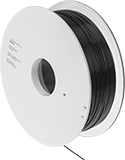
Bumps, scrapes, and falls won’t damage these tough ABS filaments. Known for their durability, they absorb impact without cracking or breaking, and won’t degrade when heated. Use them to print tool handles, storage cases, and other parts that are handled or dropped frequently. These filaments are a good place to start if you’re experimenting with printing impact-resistant parts.
Use with a fused filament fabrication (FFF) 3D printer. These filaments have a high melting point and must be printed onto a heated bed. Without it, parts will cool too quickly and warp. These filaments also release fumes as they are printed, so use an enclosed printer or a fume exhauster to ventilate them.
Maximum exposure temperature is the point at which a printed part will begin to deform. Above this temperature, your printed parts will start to lose structural integrity.
Tensile Strength—Tensile strength is the best measure of a filament's overall strength. Similar to the stress applied on a rope during a game of tug-of-war, it's the amount of pulling force a material can handle before breaking. A higher rating means a stronger filament. A tensile strength of 5,000 psi and above is considered good; 12,000 psi and above is excellent.
Spool, mm | |||||||||||||||||||||||||||||||||||||||||||||||||||||||||||||||||||||||||||||||||||||||||||||||||||
|---|---|---|---|---|---|---|---|---|---|---|---|---|---|---|---|---|---|---|---|---|---|---|---|---|---|---|---|---|---|---|---|---|---|---|---|---|---|---|---|---|---|---|---|---|---|---|---|---|---|---|---|---|---|---|---|---|---|---|---|---|---|---|---|---|---|---|---|---|---|---|---|---|---|---|---|---|---|---|---|---|---|---|---|---|---|---|---|---|---|---|---|---|---|---|---|---|---|---|---|
Dia., mm | Printing Temp. | For Printer Bed Temp. | Tensile Strength, psi | Max. Exposure Temp. | For Min. Nozzle Opening Dia., mm | Dia. | Dp. | Wt., g | Color | Each | |||||||||||||||||||||||||||||||||||||||||||||||||||||||||||||||||||||||||||||||||||||||||
ABS—Extra High Strength, Highly Absorbent, Impact Resistant | |||||||||||||||||||||||||||||||||||||||||||||||||||||||||||||||||||||||||||||||||||||||||||||||||||
| 1.75 | 220° to 240° C 428° to 464° F | 100° to 110° C 212° to 230° F | 6,090 | 90° C 194° F | 0.25 | 195 | 75 | 1,000 | Gray | 1317N537 | 000000 | ||||||||||||||||||||||||||||||||||||||||||||||||||||||||||||||||||||||||||||||||||||||||
| 2.85 | 220° to 240° C 428° to 464° F | 100° to 110° C 212° to 230° F | 6,090 | 90° C 194° F | 0.25 | 195 | 75 | 1,000 | Gray | 1317N538 | 00000 | ||||||||||||||||||||||||||||||||||||||||||||||||||||||||||||||||||||||||||||||||||||||||
Wear-Resistant Nylon 3D Printer Filaments
 |  |
Gray |
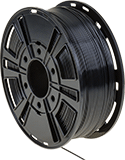
Print tough, long-lasting parts that won’t scratch or wear out from constant motion and friction, such as gears and washers. You can even tap or drill the parts without them cracking or shattering.
Use these filaments with fused filament fabrication (FFF) printers. Because of their relatively high melting point, a heated printer bed is recommended. These filaments also emit fumes when printing, so it’s best to use them in an enclosed printer or to remove the fumes with a fume exhauster. Store them in a sealed container with a desiccant so they don’t absorb moisture in the air, which can make them unusable.
Maximum exposure temperature is the point at which a printed part will begin to deform. Above this temperature, your printed parts will start to lose structural integrity.
Fiberglass Filled—Fiberglass-filled nylon filaments make strong parts that are less prone to warping or shrinking than the same filaments without any filler. However, they’re abrasive, so only use them with abrasion-resistant nozzles.
Tensile Strength—Tensile strength is the best measure of a filament's overall strength. Similar to the stress applied on a rope during a game of tug-of-war, it's the amount of pulling force a material can handle before breaking. A higher rating means a stronger filament. A tensile strength of 5,000 psi and above is considered good; 12,000 psi and above is excellent.
Spool | |||||||||||||||||||||||||||||||||||||||||||||||||||||||||||||||||||||||||||||||||||||||||||||||||||
|---|---|---|---|---|---|---|---|---|---|---|---|---|---|---|---|---|---|---|---|---|---|---|---|---|---|---|---|---|---|---|---|---|---|---|---|---|---|---|---|---|---|---|---|---|---|---|---|---|---|---|---|---|---|---|---|---|---|---|---|---|---|---|---|---|---|---|---|---|---|---|---|---|---|---|---|---|---|---|---|---|---|---|---|---|---|---|---|---|---|---|---|---|---|---|---|---|---|---|---|
Dia., mm | Printing Temp. | For Printer Bed Temp. | Tensile Strength, psi | Hardness | Max. Exposure Temp. | For Min. Nozzle Opening Dia., mm | Dia., mm | Dp., mm | Material | Wt., g | Each | ||||||||||||||||||||||||||||||||||||||||||||||||||||||||||||||||||||||||||||||||||||||||
Fiberglass-Filled Nylon—Extra High Strength, High Strength, Wear Resistant Nylon 6 | |||||||||||||||||||||||||||||||||||||||||||||||||||||||||||||||||||||||||||||||||||||||||||||||||||
Opaque Gray | |||||||||||||||||||||||||||||||||||||||||||||||||||||||||||||||||||||||||||||||||||||||||||||||||||
| 1.75 | 280° to 300° C 536° to 572° F | 25° to 50° C 77° to 122° F | 11,950 | Not Rated | 70° C 158° F | 0.4 | 250 | 117 | Cardboard | 2,000 | 3483N32 | 0000000 | |||||||||||||||||||||||||||||||||||||||||||||||||||||||||||||||||||||||||||||||||||||||
| 2.85 | 280° to 300° C 536° to 572° F | 25° to 50° C 77° to 122° F | 11,950 | Not Rated | 70° C 158° F | 0.4 | 250 | 117 | Cardboard | 2,000 | 3483N33 | 000000 | |||||||||||||||||||||||||||||||||||||||||||||||||||||||||||||||||||||||||||||||||||||||
MakerBot 3D Printer Filaments
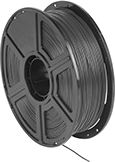 |
Compatible with the MakerBot Replicator 2 Desktop 3D Printer, all Fifth Generation MakerBot Replicator 3D printers, and Sketch printers.
Cannot Be Sold To— Product regulations restrict sales to the listed jurisdictions/areas.
