

Filter by
Performance
System of Measurement

Material
Flexibility


Hardness Rating
Flexural Modulus
Tensile Strength

DFARS Specialty Metals
Export Control Classification Number (ECCN)

RoHS
REACH

Container Type

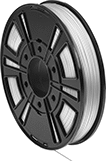
Chemical-Resistant PPSU 3D Printer Filaments
 |
 |
Off-White |
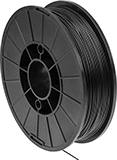
Fabricate custom bottles, packaging, and other parts for chemical processing. Made of PPSU, these filaments won’t break down even after prolonged exposure to virtually any acid, base, or solvent. They also stand up to oil and fuel, so they’re sometimes made into automotive parts. Because they have a low density and won’t transfer electricity, they make parts that are lightweight and protect components from electric currents. These filaments are easy to store too, since they resist absorbing water. Rated UL 94 V-0, they meet flammability standards.
Print these filaments on a fused filament fabrication (FFF) 3D printer. Due to its high melting point, PPSU is more difficult to print than most other materials. You need an all-metal extruder and a heated printer bed to reach its minimum printing temperature. After printing, anneal your part in an oven for 2 to 4 hours to reach its maximum strength, temperature, and ability to resist chemicals.
Maximum exposure temperature is the point at which a printed part will begin to deform. Above this temperature, your part will start to lose structural integrity.
Tensile Strength—Tensile strength is the best measure of a filament's overall strength. Similar to the stress applied on a rope during a game of tug-of-war, it's the amount of pulling force a material can handle before breaking. A higher rating means a stronger filament. A tensile strength of 5,000 psi and above is considered good; 12,000 psi and above is excellent.
Spool | |||||||||||||||||||||||||||||||||||||||||||||||||||||||||||||||||||||||||||||||||||||||||||||||||||
|---|---|---|---|---|---|---|---|---|---|---|---|---|---|---|---|---|---|---|---|---|---|---|---|---|---|---|---|---|---|---|---|---|---|---|---|---|---|---|---|---|---|---|---|---|---|---|---|---|---|---|---|---|---|---|---|---|---|---|---|---|---|---|---|---|---|---|---|---|---|---|---|---|---|---|---|---|---|---|---|---|---|---|---|---|---|---|---|---|---|---|---|---|---|---|---|---|---|---|---|
Dia., mm | Printing Temp. | For Printer Bed Temp. | Tensile Strength, psi | Hardness | Max. Exposure Temp. | Annealing Temp. | For Min. Nozzle Opening Dia., mm | Dia., mm | Dp., mm | Material | Wt., g | Each | |||||||||||||||||||||||||||||||||||||||||||||||||||||||||||||||||||||||||||||||||||||||
PPSU—Chemical Resistant, Extra High Strength, Flame Retardant, High Strength, Moisture Resistant, Ultra Absorbent UL 94 V-0 | |||||||||||||||||||||||||||||||||||||||||||||||||||||||||||||||||||||||||||||||||||||||||||||||||||
Opaque Off-White | |||||||||||||||||||||||||||||||||||||||||||||||||||||||||||||||||||||||||||||||||||||||||||||||||||
| 1.75 | 390° to 410° C 734° to 770° F | 140° to 160° C 284° to 320° F | 7,970 | Rockwell R110 (Hard) | 180° C 200° C | 80° to 130° C 176° to 266° F | 0.4 | 200 | 40 | Plastic | 500 | 4271N7 | 0000000 | ||||||||||||||||||||||||||||||||||||||||||||||||||||||||||||||||||||||||||||||||||||||
Foam-Forming 3D Printer Filaments
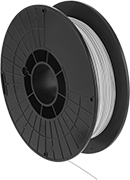 |
Print these polypropylene filaments into filters, gaskets, and other lightweight, foam-like parts that let air and gas pass through but repel water. They contain a filler that dissolves in water, forming hollow spaces that make up 45% of the part. Polypropylene is known for being rigid yet flexible, so it absorbs impacts and bounces back to shape after bending, making these filaments good for compressible seals and living hinges. It also resists hydrocholoric and phosphoric acids, as well as other nonoxidizing acids and bases.
These filaments work with fused filament fabrication (FFF) 3D printers. If using a glass print surface, apply an adhesive to prevent the filament from detaching. The recommended print speed is 25 mm/s. While polypropylene is likely to shrink, the filler in these filaments supports your design, preventing it from losing shape as it prints. Submerge your part in hot water for about 24 hours after printing to dissolve the filler and expose the pores.
For extra support when printing complex designs, use structural support 3D printer filaments. They dissolve in water at the same time as this filament’s filler.
Spool | |||||||||||||||||||||||||||||||||||||||||||||||||||||||||||||||||||||||||||||||||||||||||||||||||||
|---|---|---|---|---|---|---|---|---|---|---|---|---|---|---|---|---|---|---|---|---|---|---|---|---|---|---|---|---|---|---|---|---|---|---|---|---|---|---|---|---|---|---|---|---|---|---|---|---|---|---|---|---|---|---|---|---|---|---|---|---|---|---|---|---|---|---|---|---|---|---|---|---|---|---|---|---|---|---|---|---|---|---|---|---|---|---|---|---|---|---|---|---|---|---|---|---|---|---|---|
Dia., mm | Printing Temp. | For Printer Bed Temp. | Tensile Strength, psi | Hardness | Max. Exposure Temp. | For Min. Nozzle Opening Dia., mm | Dia., mm | Dp., mm | Material | Wt., g | Each | ||||||||||||||||||||||||||||||||||||||||||||||||||||||||||||||||||||||||||||||||||||||||
Polypropylene | |||||||||||||||||||||||||||||||||||||||||||||||||||||||||||||||||||||||||||||||||||||||||||||||||||
Opaque White | |||||||||||||||||||||||||||||||||||||||||||||||||||||||||||||||||||||||||||||||||||||||||||||||||||
| 1.75 | 190° to 240° C 374° to 464° F | 95° to 125° C 203° to 257° F | 1,000 | Durometer 90A (Medium Soft) | 140° C 284° F | 0.4 | 200 | 55 | Plastic | 500 | 4275N11 | 0000000 | |||||||||||||||||||||||||||||||||||||||||||||||||||||||||||||||||||||||||||||||||||||||
| 2.85 | 190° to 240° C 374° to 464° F | 95° to 125° C 203° to 257° F | 1,000 | Durometer 90A (Medium Soft) | 140° C 284° F | 0.4 | 200 | 55 | Plastic | 500 | 4275N12 | 000000 | |||||||||||||||||||||||||||||||||||||||||||||||||||||||||||||||||||||||||||||||||||||||
Moisture-Resistant Polyester 3D Printer Filaments
 |  |
Clear |
Parts printed with these polyester filaments absorb less moisture than other types of plastic, making them ideal for use in wet or humid environments. They are more durable and flexible than PLA, and easier to print than ABS. Use these filaments with fused filament fabrication (FFF) 3D printers, and print onto a heated print bed. Printing onto a cool surface causes the molten filament to change temperature rapidly, which can warp your designs. Although finished parts are moisture-resistant, these filaments are sensitive to humidity, and should be stored in a dehumidifying cabinet or a sealed container with desiccant for the best printing quality.
Maximum exposure temperature is the point at which a printed part will begin to deform. Above this temperature, your printed parts will start to lose structural integrity.
PCTG—PCTG is more impact resistant than PETG and holds up to a wide range of acids and bases without breaking down. It is often used for printing parts that will be exposed to chemicals and oils.
Tensile Strength—Tensile strength is the best measure of a filament's overall strength. Similar to the stress applied on a rope during a game of tug-of-war, it's the amount of pulling force a material can handle before breaking. A higher rating means a stronger filament. A tensile strength of 5,000 psi and above is considered good; 12,000 psi and above is excellent.
Spool | |||||||||||||||||||||||||||||||||||||||||||||||||||||||||||||||||||||||||||||||||||||||||||||||||||
|---|---|---|---|---|---|---|---|---|---|---|---|---|---|---|---|---|---|---|---|---|---|---|---|---|---|---|---|---|---|---|---|---|---|---|---|---|---|---|---|---|---|---|---|---|---|---|---|---|---|---|---|---|---|---|---|---|---|---|---|---|---|---|---|---|---|---|---|---|---|---|---|---|---|---|---|---|---|---|---|---|---|---|---|---|---|---|---|---|---|---|---|---|---|---|---|---|---|---|---|
Dia., mm | Printing Temp. | For Printer Bed Temp. | Tensile Strength, psi | Hardness | Max. Exposure Temp. | For Min. Nozzle Opening Dia., mm | Dia., mm | Dp., mm | Material | Wt., g | Each | ||||||||||||||||||||||||||||||||||||||||||||||||||||||||||||||||||||||||||||||||||||||||
PCTG—Chemical Resistant, Extra High Strength, High Strength, Highly Absorbent, Impact Resistant, Moisture Resistant | |||||||||||||||||||||||||||||||||||||||||||||||||||||||||||||||||||||||||||||||||||||||||||||||||||
Semi-Clear | |||||||||||||||||||||||||||||||||||||||||||||||||||||||||||||||||||||||||||||||||||||||||||||||||||
| 1.75 | 250° to 270° C 482° to 518° F | 70° to 80° C 158° to 176° F | 5,510 | Not Rated | 70° C 158° F | 0.25 | 200 | 68 | Plastic | 1,000 | 3462N511 | 000000 | |||||||||||||||||||||||||||||||||||||||||||||||||||||||||||||||||||||||||||||||||||||||
| 2.85 | 250° to 270° C 482° to 518° F | 70° to 80° C 158° to 176° F | 5,510 | Not Rated | 70° C 158° F | 0.25 | 200 | 68 | Plastic | 1,000 | 3462N512 | 00000 | |||||||||||||||||||||||||||||||||||||||||||||||||||||||||||||||||||||||||||||||||||||||
