

Filter by
Performance
System of Measurement

Material
Color


Maximum Temperature
Weight
Flexibility


Export Control Classification Number (ECCN)

Container Type

REACH
RoHS
Tensile Strength
Spool Material
U.S.–Mexico–Canada Agreement (USMCA) Qualifying
DFARS Specialty Metals
Clarity

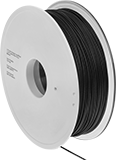
Easy-Print PLA 3D Printer Filaments
 |
 |
Black |
The most commonly used 3D printing material, these PLA filaments make detailed parts at a low melting point, so they won’t warp as they cool, rarely clog nozzles, and don’t require a heated printer bed. They’re also unlikely to drip and produce plastic strings for a clean finished part. In general, they’re best for printing prototypes instead of load-bearing parts since they’re not as strong as ABS or as heat resistant as PEEK. Print them on a fused filament fabrication (FFF) 3D printer.
Filaments with an annealing temperature can be heat treated to make parts harder, stronger, and better at resisting heat. To anneal, heat your finished part to the listed temperature and then let it cool slowly.
Maximum exposure temperature is the point at which a printed part will begin to deform. Above this temperature, your part will start to lose structural integrity. Filaments that can be annealed are also rated for maximum temperature after annealing, which is the new maximum exposure temperature once that process completes.
Static Dissipative—Static-dissipative PLA filaments make parts that protect equipment from electrostatic shocks by diverting electrostatic discharges in a controlled way. They’re often used to create tool handles, tote trays, enclosures, and other parts that are used near sensitive electronics. To adjust the surface resistivity of your printed part, change the temperature of your printer’s extruder. As the extruder’s temperature increases, the printed part’s resistivity will decrease.
Tensile Strength—Tensile strength is the best measure of a filament's overall strength. Similar to the stress applied on a rope during a game of tug-of-war, it's the amount of pulling force a material can handle before breaking. A higher rating means a stronger filament. A tensile strength of 5,000 psi and above is considered good; 12,000 psi and above is excellent.
Spool | Each | ||||||||||||||||||||||||||||||||||||||||||||||||||||||||||||||||||||||||||||||||||||||||||||||||||
|---|---|---|---|---|---|---|---|---|---|---|---|---|---|---|---|---|---|---|---|---|---|---|---|---|---|---|---|---|---|---|---|---|---|---|---|---|---|---|---|---|---|---|---|---|---|---|---|---|---|---|---|---|---|---|---|---|---|---|---|---|---|---|---|---|---|---|---|---|---|---|---|---|---|---|---|---|---|---|---|---|---|---|---|---|---|---|---|---|---|---|---|---|---|---|---|---|---|---|---|
Dia., mm | Printing Temp. | For Printer Bed Temp. | Tensile Strength, psi | Surface Resistivity, ohm/sq. | Hardness | Max. Exposure Temp. | For Min. Nozzle Opening Dia., mm | Dia., mm | Dp., mm | Material | Wt., g | 1-9 | 10-Up | ||||||||||||||||||||||||||||||||||||||||||||||||||||||||||||||||||||||||||||||||||||||
PLA—Easy Print, Extra High Strength, High Strength, Spark Resistant, Static Dissipative, Warp Resistant | |||||||||||||||||||||||||||||||||||||||||||||||||||||||||||||||||||||||||||||||||||||||||||||||||||
Opaque Black | |||||||||||||||||||||||||||||||||||||||||||||||||||||||||||||||||||||||||||||||||||||||||||||||||||
| 1.75 | 210° to 220° C 410° to 430° F | 23° to 60° C 73° to 140° F | 7,970 | 1× 10^7 to 1× 10^9 | Not Rated | 55° C 131° F | 0.25 | 200 | 70 | Plastic | 750 | 3502N11 | 0000000 | 000000 | |||||||||||||||||||||||||||||||||||||||||||||||||||||||||||||||||||||||||||||||||||||
| 2.85 | 210° to 220° C 410° to 430° F | 23° to 60° C 73° to 140° F | 7,970 | 1× 10^7 to 1× 10^9 | Not Rated | 55° C 131° F | 0.25 | 200 | 70 | Plastic | 750 | 3502N12 | 000000 | 00000 | |||||||||||||||||||||||||||||||||||||||||||||||||||||||||||||||||||||||||||||||||||||
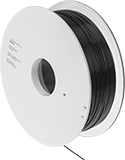
Impact-Resistant ABS 3D Printer Filaments
 |
 |
Black |
Bumps, scrapes, and falls won’t damage these tough ABS filaments. Known for their durability, they absorb impact without cracking or breaking, and won’t degrade when heated. Use them to print tool handles, storage cases, and other parts that are handled or dropped frequently. These filaments are a good place to start if you’re experimenting with printing impact-resistant parts.
Use with a fused filament fabrication (FFF) 3D printer. These filaments have a high melting point and must be printed onto a heated bed. Without it, parts will cool too quickly and warp. These filaments also release fumes as they are printed, so use an enclosed printer or a fume exhauster to ventilate them.
Maximum exposure temperature is the point at which a printed part will begin to deform. Above this temperature, your printed parts will start to lose structural integrity.
Static Dissipative—Static-dissipative filaments make parts that protect equipment from electrostatic shocks by diverting electrostatic discharges in a controlled way. Use them to create tool handles, tote trays, enclosures, and other parts that are used near sensitive electronics. To adjust the surface resistivity of your printed part, change the temperature of your printer’s extruder. As the extruder’s temperature increases, the printed part’s resistivity will decrease.
Tensile Strength—Tensile strength is the best measure of a filament's overall strength. Similar to the stress applied on a rope during a game of tug-of-war, it's the amount of pulling force a material can handle before breaking. A higher rating means a stronger filament. A tensile strength of 5,000 psi and above is considered good; 12,000 psi and above is excellent.
Spool, mm | |||||||||||||||||||||||||||||||||||||||||||||||||||||||||||||||||||||||||||||||||||||||||||||||||||
|---|---|---|---|---|---|---|---|---|---|---|---|---|---|---|---|---|---|---|---|---|---|---|---|---|---|---|---|---|---|---|---|---|---|---|---|---|---|---|---|---|---|---|---|---|---|---|---|---|---|---|---|---|---|---|---|---|---|---|---|---|---|---|---|---|---|---|---|---|---|---|---|---|---|---|---|---|---|---|---|---|---|---|---|---|---|---|---|---|---|---|---|---|---|---|---|---|---|---|---|
Dia., mm | Printing Temp. | For Printer Bed Temp. | Tensile Strength, psi | Surface Resistivity, ohm/sq. | Max. Exposure Temp. | For Min. Nozzle Opening Dia., mm | Dia. | Dp. | Wt., g | Color | Each | ||||||||||||||||||||||||||||||||||||||||||||||||||||||||||||||||||||||||||||||||||||||||
ABS—Extra High Strength, High Strength, Highly Absorbent, Impact Resistant, Moisture Resistant, Spark Resistant, Static Dissipative | |||||||||||||||||||||||||||||||||||||||||||||||||||||||||||||||||||||||||||||||||||||||||||||||||||
| 1.75 | 220° to 240° C 428° to 464° F | 100° to 110° C 212° to 230° F | 8,410 | 1× 10^7 to 1× 10^9 | 97° C 207° F | 0.4 | 200 | 75 | 750 | Black | 3481N13 | 000000 | |||||||||||||||||||||||||||||||||||||||||||||||||||||||||||||||||||||||||||||||||||||||
| 2.85 | 220° to 240° C 428° to 464° F | 100° to 110° C 212° to 230° F | 8,410 | 1× 10^7 to 1× 10^9 | 97° C 207° F | 0.4 | 200 | 75 | 750 | Black | 3481N14 | 00000 | |||||||||||||||||||||||||||||||||||||||||||||||||||||||||||||||||||||||||||||||||||||||
Moisture-Resistant Polyester 3D Printer Filaments
 |
 |
Black |
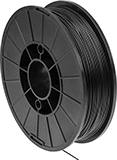
Parts printed with these polyester filaments absorb less moisture than other types of plastic, making them ideal for use in wet or humid environments. They are more durable and flexible than PLA, and easier to print than ABS. Use these filaments with fused filament fabrication (FFF) 3D printers, and print onto a heated print bed. Printing onto a cool surface causes the molten filament to change temperature rapidly, which can warp your designs. Although finished parts are moisture-resistant, these filaments are sensitive to humidity, and should be stored in a dehumidifying cabinet or a sealed container with desiccant for the best printing quality.
Maximum exposure temperature is the point at which a printed part will begin to deform. Above this temperature, your printed parts will start to lose structural integrity.
PETG—PETG contains glycol, so it is less brittle and easier to print than PETT and PCTG.
Static Dissipative—Static-dissipative filaments make parts that protect equipment from electrostatic shocks by diverting electrostatic discharges in a controlled way. Create tool handles, tote trays, enclosures, and other parts that are used near sensitive electronics. To adjust the surface resistivity of your printed part, change the temperature of your printer’s extruder. As the extruder’s temperature increases, the printed part’s resistivity will decrease.
Tensile Strength—Tensile strength is the best measure of a filament's overall strength. Similar to the stress applied on a rope during a game of tug-of-war, it's the amount of pulling force a material can handle before breaking. A higher rating means a stronger filament. A tensile strength of 5,000 psi and above is considered good; 12,000 psi and above is excellent.
Spool | |||||||||||||||||||||||||||||||||||||||||||||||||||||||||||||||||||||||||||||||||||||||||||||||||||
|---|---|---|---|---|---|---|---|---|---|---|---|---|---|---|---|---|---|---|---|---|---|---|---|---|---|---|---|---|---|---|---|---|---|---|---|---|---|---|---|---|---|---|---|---|---|---|---|---|---|---|---|---|---|---|---|---|---|---|---|---|---|---|---|---|---|---|---|---|---|---|---|---|---|---|---|---|---|---|---|---|---|---|---|---|---|---|---|---|---|---|---|---|---|---|---|---|---|---|---|
Dia., mm | Printing Temp. | For Printer Bed Temp. | Tensile Strength, psi | Surface Resistivity, ohm/sq. | Hardness | Max. Exposure Temp. | For Min. Nozzle Opening Dia., mm | Dia., mm | Dp., mm | Material | Wt., g | Each | |||||||||||||||||||||||||||||||||||||||||||||||||||||||||||||||||||||||||||||||||||||||
PETG—Extra High Strength, High Strength, Highly Absorbent, Moisture Resistant, Spark Resistant, Static Dissipative | |||||||||||||||||||||||||||||||||||||||||||||||||||||||||||||||||||||||||||||||||||||||||||||||||||
Opaque Black | |||||||||||||||||||||||||||||||||||||||||||||||||||||||||||||||||||||||||||||||||||||||||||||||||||
| 1.75 | 230° to 260° C 446° to 500° F | 60° to 90° C 140° to 194° F | 7,250 | 1× 10^7 to 1× 10^9 | Rockwell R110 (Hard) | 75° C 167° F | 0.4 | 200 | 75 | Plastic | 750 | 3667N11 | 0000000 | ||||||||||||||||||||||||||||||||||||||||||||||||||||||||||||||||||||||||||||||||||||||
| 2.85 | 230° to 260° C 446° to 500° F | 60° to 90° C 140° to 194° F | 7,250 | 1× 10^7 to 1× 10^9 | Rockwell R110 (Hard) | 75° C 167° F | 0.4 | 200 | 75 | Plastic | 750 | 3667N12 | 000000 | ||||||||||||||||||||||||||||||||||||||||||||||||||||||||||||||||||||||||||||||||||||||
High-Strength Impact-Resistant Polycarbonate 3D Printer Filaments
|
Spool | |||||||||||||||||||||||||||||||||||||||||||||||||||||||||||||||||||||||||||||||||||||||||||||||||||
|---|---|---|---|---|---|---|---|---|---|---|---|---|---|---|---|---|---|---|---|---|---|---|---|---|---|---|---|---|---|---|---|---|---|---|---|---|---|---|---|---|---|---|---|---|---|---|---|---|---|---|---|---|---|---|---|---|---|---|---|---|---|---|---|---|---|---|---|---|---|---|---|---|---|---|---|---|---|---|---|---|---|---|---|---|---|---|---|---|---|---|---|---|---|---|---|---|---|---|---|
Dia., mm | Printing Temp. | For Printer Bed Temp. | Tensile Strength, psi | Surface Resistivity, ohm/sq. | Hardness | Max. Exposure Temp. | For Min. Nozzle Opening Dia., mm | Dia., mm | Dp., mm | Material | Wt., g | Each | |||||||||||||||||||||||||||||||||||||||||||||||||||||||||||||||||||||||||||||||||||||||
Polycarbonate—Extra High Strength, High Strength, Highly Absorbent, Impact Resistant, Moisture Resistant, Spark Resistant, Static Dissipative | |||||||||||||||||||||||||||||||||||||||||||||||||||||||||||||||||||||||||||||||||||||||||||||||||||
Opaque Black | |||||||||||||||||||||||||||||||||||||||||||||||||||||||||||||||||||||||||||||||||||||||||||||||||||
| 1.75 | 260° to 300° C 500° to 572° F | 110° to 120° C 230° to 248° F | 9,860 | 1× 10^7 to 1× 10^9 | Rockwell R125 (Hard) | 135° C 275° F | 0.4 | 200 | 75 | Plastic | 750 | 3481N15 | 0000000 | ||||||||||||||||||||||||||||||||||||||||||||||||||||||||||||||||||||||||||||||||||||||
