

Airflow Airflow |
|---|
|
Blade Diameter Blade Diameter |
|---|
|
Mounting Location Mounting Location |
|---|
|
Electrical Phase Electrical Phase |
|---|
|
Voltage Voltage |
|---|
|
Motor Enclosure Type Motor Enclosure Type |
|---|
|
Power Power |
|---|
|
Overall Height Overall Height | Show |
|---|
|
Overall Height Overall Height | Hide |
|---|
Overall Width Overall Width |
|---|
|
Blade Material Blade Material |
|---|
|
DFARS (Defense Acquisition Regulations Supplement) DFARS (Defense AcquisitionRegulations Supplement)  |
|---|
Frame Material Frame Material |
|---|
|
Number of Speeds Number of Speeds |
|---|
|
Power Source Power Source |
|---|
|
Volume Volume |
|---|
|
Current Current |
|---|
|
Motor Speed Motor Speed |
|---|
|
Drive Type Drive Type |
|---|
|
Electrical Connection Type Electrical Connection Type |
|---|
|
Overall Depth Overall Depth |
|---|
|
About Sound Levels
Measured in decibels (dB), volume ratings indicate how much noise equipment makes. Some common volume levels include a whisper @ 20 dB, a refrigerator @ 40 dB, a conversation @ 60 dB, and a light machine shop @ 90 dB. OSHA recommends hearing protection for exposure to 80 dB and greater.
About Exhaust Fans
More
Dust-Resistant Belt-Drive Wall-Mount Exhaust Fans
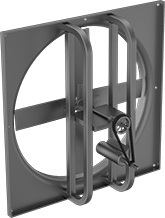
Better suited for dirty, dusty, and damp environments than standard direct-drive fans, these have a totally enclosed motor enclosure. Belt-drive fans are quieter and have a longer life span than direct-drive fans because components can be replaced if worn or damaged. Use these fans to draw stagnant and humid air out of a room or area.
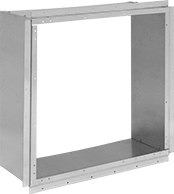
Collars and louvers are sold separately. Use a collar to connect a wall-mount exhaust fan to a louver.
 For technical drawings and 3-D models, click on a part number.