


Filter by
Measures

Display Type


System of Measurement
For Use With
Performance

Electrical Connection


Strain Gauge Grid Pattern
Maximum Temperature
Measurement Unit
Overall Length
Digital Display Type

Material
DFARS Specialty Metals
Minimum Temperature
RoHS

Mount Type

Electrical Resistance Meters
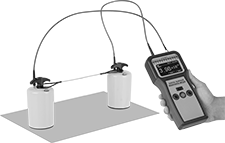 |
Check that floors, garments, and other work surfaces won’t discharge static electricity. These laboratory-grade meters are made in the U.S. and certified to NIST standards for accuracy and reliability. They’re essential in server rooms, clean rooms, and other environments where static could harm sensitive electronics. Also known as surface resistance meters, they’re fully compliant with ANSI for testing and validating workplace static control systems.
To prevent static discharge, surface resistance needs to be less than 1×10⁹ ohms. Our meters measure resistance as high as 1×10¹² ohms, with the results clearly displayed on a crisp OLED screen. Readings are exact to two places, with no rounding to the nearest exponent like with less sophisticated meters.
Each meter comes with leads and two 5 lb. probes. Place one probe on a surface to measure the resistance to the ground (Rtg), or place both on a surface to measure the point-to-point resistance between them (Rtt).
Batteries | |||||||||
|---|---|---|---|---|---|---|---|---|---|
Resistance, ohm | Accuracy | Features | Includes | Included | Size | No. Required | Each | ||
| 1× 10^3 to 1× 10^12 | ±10% | Battery Life Indicator, Data Memory | 1 Alligator Clip, 1 Carrying Case, 1 Ground Plug Adapter, 2 Probe Spacers (10" Lg. and 36" Lg.), 2 Test Leads, 2 Test Probes | Yes | AA | 4 | 3707N1 | 000000000 | |
Strain Gauges
Solder Tab—Adhesive Ready
 | 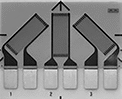 | 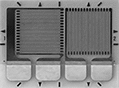 |
Linear Grid Pattern | Multi-Direction Grid Pattern | Tee Grid Pattern |
Solder wire leads onto strain gauges with solder terminals after the strain gauge has bonded to your surface. After soldering, apply a protective coating.
Linear Grid Pattern—Linear pattern strain gauges measure strain in one direction. They’re often used for fatigue testing.
Rectangular Rosette Grid Pattern—Rectangular Rosette pattern strain gauges measure strain in multiple directions, making them great for stress tests.
Tee Rosette Grid Pattern—Tee Rosette pattern strain gauges measure tension or compression, like in bolts or suspension rods. They’re useful for measuring bending in large structures, such as wind turbine towers.
Resistance, ohm | Accuracy | Grid Lg. | Grid Wd. | Overall Lg. | Overall Wd. | Material | Temp. Range, ° F | Pkg. Qty. | Pkg. | ||||||||||||||||||||||||||||||||||||||||||||||||||||||||||||||||||||||||||||||||||||||||||
|---|---|---|---|---|---|---|---|---|---|---|---|---|---|---|---|---|---|---|---|---|---|---|---|---|---|---|---|---|---|---|---|---|---|---|---|---|---|---|---|---|---|---|---|---|---|---|---|---|---|---|---|---|---|---|---|---|---|---|---|---|---|---|---|---|---|---|---|---|---|---|---|---|---|---|---|---|---|---|---|---|---|---|---|---|---|---|---|---|---|---|---|---|---|---|---|---|---|---|---|
Linear Grid Pattern | |||||||||||||||||||||||||||||||||||||||||||||||||||||||||||||||||||||||||||||||||||||||||||||||||||
For Use With Cast Iron, Composites, Printed Circuit Boards, and Steel | |||||||||||||||||||||||||||||||||||||||||||||||||||||||||||||||||||||||||||||||||||||||||||||||||||
| 350 | ±0.2% | 0.125" | 0.1" | 0.275" | 0.12" | Copper Nickel | -100 to 350 | 5 | 7245N52 | 000000 | |||||||||||||||||||||||||||||||||||||||||||||||||||||||||||||||||||||||||||||||||||||||||
| 350 | ±0.2% | 0.25" | 0.12" | 0.415" | 0.12" | Copper Nickel | -100 to 350 | 5 | 7245N105 | 00000 | |||||||||||||||||||||||||||||||||||||||||||||||||||||||||||||||||||||||||||||||||||||||||
| 350 | ±0.3% | 0.062" | 0.12" | 0.22" | 0.12" | Copper Nickel | -100 to 350 | 5 | 7245N104 | 000000 | |||||||||||||||||||||||||||||||||||||||||||||||||||||||||||||||||||||||||||||||||||||||||
Rectangular Rosette Grid Pattern | |||||||||||||||||||||||||||||||||||||||||||||||||||||||||||||||||||||||||||||||||||||||||||||||||||
For Use With Cast Iron, Composites, Printed Circuit Boards, and Steel | |||||||||||||||||||||||||||||||||||||||||||||||||||||||||||||||||||||||||||||||||||||||||||||||||||
| 350 | ±0.2% | 0.25" | 0.12" | 0.5" | 0.76" | Copper Nickel | -100 to 350 | 5 | 7245N108 | 000000 | |||||||||||||||||||||||||||||||||||||||||||||||||||||||||||||||||||||||||||||||||||||||||
| 350 | ±0.4% | 0.062" | 0.062" | 0.222" | 0.42" | Copper Nickel | -100 to 350 | 5 | 7245N107 | 000000 | |||||||||||||||||||||||||||||||||||||||||||||||||||||||||||||||||||||||||||||||||||||||||
| 350 | ±0.4% | 0.125" | 0.06" | 0.3" | 0.56" | Copper Nickel | -100 to 350 | 5 | 7245N106 | 000000 | |||||||||||||||||||||||||||||||||||||||||||||||||||||||||||||||||||||||||||||||||||||||||
Tee Rosette Grid Pattern | |||||||||||||||||||||||||||||||||||||||||||||||||||||||||||||||||||||||||||||||||||||||||||||||||||
For Use With Cast Iron, Composites, Printed Circuit Boards, and Steel | |||||||||||||||||||||||||||||||||||||||||||||||||||||||||||||||||||||||||||||||||||||||||||||||||||
| 350 | ±0.4% | 0.062" | 0.08" | 0.205" | 0.225" | Copper Nickel | -100 to 350 | 5 | 7245N111 | 000000 | |||||||||||||||||||||||||||||||||||||||||||||||||||||||||||||||||||||||||||||||||||||||||
| 350 | ±0.4% | 0.125" | 0.165" | 0.325" | 0.365" | Copper Nickel | -100 to 350 | 5 | 7245N109 | 000000 | |||||||||||||||||||||||||||||||||||||||||||||||||||||||||||||||||||||||||||||||||||||||||
| 350 | ±0.4% | 0.25" | 0.29" | 0.45" | 0.65" | Copper Nickel | -100 to 350 | 5 | 7245N112 | 000000 | |||||||||||||||||||||||||||||||||||||||||||||||||||||||||||||||||||||||||||||||||||||||||
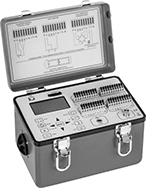 |
Indicators record changes in force, doing the combined job of a multimeter, signal conditioner, and bridge amplifier. They’re battery-operated and portable. Using the included software, operate and configure them straight from your PC. These indicators have no internal memory, but they include an SD card to store your readings. Connect them to strain gauges using wire leads. If installing them in dirty or wet environments, just close the lid after attaching the lead wires.
No. of | |||||||||||||||||
|---|---|---|---|---|---|---|---|---|---|---|---|---|---|---|---|---|---|
Inputs | Terminals per input | Resistance, ohm | Accuracy | Sampling Interval | Response Time, sec. | Digital Display Type | Lg. | Wd. | Ht. | Wt., lb. | Batteries Included | Software Included | Temp. Range, ° F | Includes | Each | ||
| 4 | 10 | 120; 350; 1,000 | ±0.1% | 1 sec. to 1 hr. | 1 | LCD | 9" | 6" | 6" | 4.4 | Yes | Yes | 32 to 120 | 6-ft. Lg. USB Cord, 32 GB SD Card | 7245N114 | 000000000 | |
 |
Container | ||||||||||
|---|---|---|---|---|---|---|---|---|---|---|
Size, fl. oz. | Type | Begins to Harden, min. | Reaches Full Strength, min. | Consistency | Temp. Range, ° F | For Use On | Includes | Each | ||
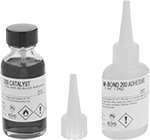
| 1 | Bottle | 1 | 5 | Thin Liquid | -25 to 150 | Aluminum, Composite, Glass, Steel | Catalyst | 7136N11 | 0000000 | |
 |
Wd. | Lg., ft. | Color | Features | Each | ||
|---|---|---|---|---|---|---|
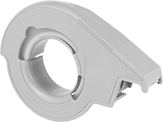
| 3/4" | 216 | Clear | Tape Dispenser | 7136N12 | 0000000 |

 |
Dry Time | ||||||
|---|---|---|---|---|---|---|
Container Size, fl. oz. | Touch, min. | Overall, hr. | Pkg. Qty. | Pkg. | ||
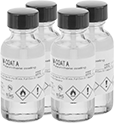
| 1 | 20 | 2 | 4 | 7136N17 | 000000 | |
Solder Tab—Weld On
 |
Linear Grid Pattern |
Solder wire leads onto strain gauges with solder terminals after the strain gauge has bonded to your surface. After soldering, apply a protective coating.
Weld-on strain gauges are best for places where glue might not set or where high temperatures prevent the use of adhesives.
Linear Grid Pattern—Linear pattern strain gauges measure strain in one direction. They’re often used for fatigue testing.
Resistance, ohm | Accuracy | Grid Lg. | Grid Wd. | Overall Lg. | Overall Wd. | Material | Temp. Range, ° F | Pkg. Qty. | Pkg. | ||||||||||||||||||||||||||||||||||||||||||||||||||||||||||||||||||||||||||||||||||||||||||
|---|---|---|---|---|---|---|---|---|---|---|---|---|---|---|---|---|---|---|---|---|---|---|---|---|---|---|---|---|---|---|---|---|---|---|---|---|---|---|---|---|---|---|---|---|---|---|---|---|---|---|---|---|---|---|---|---|---|---|---|---|---|---|---|---|---|---|---|---|---|---|---|---|---|---|---|---|---|---|---|---|---|---|---|---|---|---|---|---|---|---|---|---|---|---|---|---|---|---|---|
Linear Grid Pattern | |||||||||||||||||||||||||||||||||||||||||||||||||||||||||||||||||||||||||||||||||||||||||||||||||||
For Use With Cast Iron, Composites, Printed Circuit Boards, and Steel | |||||||||||||||||||||||||||||||||||||||||||||||||||||||||||||||||||||||||||||||||||||||||||||||||||
| 350 | ±0.4% | 0.23" | 0.125" | 0.63" | 0.34" | Copper Nickel | -60 to 180 | 5 | 7245N113 | 0000000 | |||||||||||||||||||||||||||||||||||||||||||||||||||||||||||||||||||||||||||||||||||||||||
|
Indicators record changes in force, doing the combined job of a multimeter, signal conditioner, and bridge amplifier. They’re battery-operated and portable. Using the included software, operate and configure them straight from your PC. These indicators have no internal memory, but they include an SD card to store your readings. Connect them to strain gauges using wire leads. If installing them in dirty or wet environments, just close the lid after attaching the lead wires.
No. of | |||||||||||||||||
|---|---|---|---|---|---|---|---|---|---|---|---|---|---|---|---|---|---|
Inputs | Terminals per input | Resistance, ohm | Accuracy | Sampling Interval | Response Time, sec. | Digital Display Type | Lg. | Wd. | Ht. | Wt., lb. | Batteries Included | Software Included | Temp. Range, ° F | Includes | Each | ||
| 4 | 10 | 120; 350; 1,000 | ±0.1% | 1 sec. to 1 hr. | 1 | LCD | 9" | 6" | 6" | 4.4 | Yes | Yes | 32 to 120 | 6-ft. Lg. USB Cord, 32 GB SD Card | 7245N114 | 000000000 | |
2 Wire Leads—Adhesive Ready
 |
Linear Grid Pattern |
Strain gauges with wire leads save you the effort of soldering wire to the strain gauge and checking to see that it’s bonded securely.
Linear Grid Pattern—Linear pattern strain gauges measure strain in one direction. They’re often used for fatigue testing.
Resistance, ohm | Accuracy | Grid Lg. | Grid Wd. | Overall Lg. | Overall Wd. | Wire Lead Lg., ft. | Material | Temp. Range, ° F | Pkg. Qty. | Pkg. | |||||||||||||||||||||||||||||||||||||||||||||||||||||||||||||||||||||||||||||||||||||||||
|---|---|---|---|---|---|---|---|---|---|---|---|---|---|---|---|---|---|---|---|---|---|---|---|---|---|---|---|---|---|---|---|---|---|---|---|---|---|---|---|---|---|---|---|---|---|---|---|---|---|---|---|---|---|---|---|---|---|---|---|---|---|---|---|---|---|---|---|---|---|---|---|---|---|---|---|---|---|---|---|---|---|---|---|---|---|---|---|---|---|---|---|---|---|---|---|---|---|---|---|
Linear Grid Pattern | |||||||||||||||||||||||||||||||||||||||||||||||||||||||||||||||||||||||||||||||||||||||||||||||||||
For Use With Cast Iron, Composites, Printed Circuit Boards, and Steel | |||||||||||||||||||||||||||||||||||||||||||||||||||||||||||||||||||||||||||||||||||||||||||||||||||
| 120 | ±0.3% | 0.06" | 0.1" | 0.166" | 0.13" | 3 | Copper Nickel | -60 to 180 | 10 | 7245N11 | 0000000 | ||||||||||||||||||||||||||||||||||||||||||||||||||||||||||||||||||||||||||||||||||||||||
| 120 | ±0.3% | 0.125" | 0.1" | 0.205" | 0.1" | 3 | Copper Nickel | -60 to 180 | 10 | 7245N19 | 000000 | ||||||||||||||||||||||||||||||||||||||||||||||||||||||||||||||||||||||||||||||||||||||||
| 120 | ±0.3% | 0.235" | 0.1" | 0.301" | 0.1" | 3 | Copper Nickel | -60 to 180 | 10 | 7245N29 | 000000 | ||||||||||||||||||||||||||||||||||||||||||||||||||||||||||||||||||||||||||||||||||||||||
| 350 | ±0.3% | 0.06" | 0.1" | 0.166" | 0.13" | 3 | Copper Nickel | -60 to 180 | 10 | 7245N13 | 000000 | ||||||||||||||||||||||||||||||||||||||||||||||||||||||||||||||||||||||||||||||||||||||||
| 350 | ±0.3% | 0.125" | 0.1" | 0.205" | 0.1" | 3 | Copper Nickel | -60 to 180 | 10 | 7245N24 | 000000 | ||||||||||||||||||||||||||||||||||||||||||||||||||||||||||||||||||||||||||||||||||||||||
For Use With Aluminum, Brass, and Tin | |||||||||||||||||||||||||||||||||||||||||||||||||||||||||||||||||||||||||||||||||||||||||||||||||||
| 120 | ±0.3% | 0.235" | 0.1" | 0.301" | 0.1" | 3 | Copper Nickel | -60 to 180 | 10 | 7245N32 | 000000 | ||||||||||||||||||||||||||||||||||||||||||||||||||||||||||||||||||||||||||||||||||||||||
| 350 | ±0.3% | 0.06" | 0.1" | 0.166" | 0.13" | 3 | Copper Nickel | -60 to 180 | 10 | 7245N17 | 000000 | ||||||||||||||||||||||||||||||||||||||||||||||||||||||||||||||||||||||||||||||||||||||||
| 350 | ±0.3% | 0.235" | 0.1" | 0.301" | 0.1" | 3 | Copper Nickel | -60 to 180 | 10 | 7245N38 | 000000 | ||||||||||||||||||||||||||||||||||||||||||||||||||||||||||||||||||||||||||||||||||||||||
For Use With Composites, Nickel Iron, and Titanium Silicate | |||||||||||||||||||||||||||||||||||||||||||||||||||||||||||||||||||||||||||||||||||||||||||||||||||
| 350 | ±0.3% | 0.235" | 0.1" | 0.301" | 0.1" | 3 | Copper Nickel | -60 to 180 | 10 | 7245N34 | 000000 | ||||||||||||||||||||||||||||||||||||||||||||||||||||||||||||||||||||||||||||||||||||||||
|
Indicators record changes in force, doing the combined job of a multimeter, signal conditioner, and bridge amplifier. They’re battery-operated and portable. Using the included software, operate and configure them straight from your PC. These indicators have no internal memory, but they include an SD card to store your readings. Connect them to strain gauges using wire leads. If installing them in dirty or wet environments, just close the lid after attaching the lead wires.
No. of | |||||||||||||||||
|---|---|---|---|---|---|---|---|---|---|---|---|---|---|---|---|---|---|
Inputs | Terminals per input | Resistance, ohm | Accuracy | Sampling Interval | Response Time, sec. | Digital Display Type | Lg. | Wd. | Ht. | Wt., lb. | Batteries Included | Software Included | Temp. Range, ° F | Includes | Each | ||
| 4 | 10 | 120; 350; 1,000 | ±0.1% | 1 sec. to 1 hr. | 1 | LCD | 9" | 6" | 6" | 4.4 | Yes | Yes | 32 to 120 | 6-ft. Lg. USB Cord, 32 GB SD Card | 7245N114 | 000000000 | |
|
Container | ||||||||||
|---|---|---|---|---|---|---|---|---|---|---|
Size, fl. oz. | Type | Begins to Harden, min. | Reaches Full Strength, min. | Consistency | Temp. Range, ° F | For Use On | Includes | Each | ||
| 1 | Bottle | 1 | 5 | Thin Liquid | -25 to 150 | Aluminum, Composite, Glass, Steel | Catalyst | 7136N11 | 0000000 | |
|
Wd. | Lg., ft. | Color | Features | Each | ||
|---|---|---|---|---|---|---|
| 3/4" | 216 | Clear | Tape Dispenser | 7136N12 | 0000000 |
|
Dry Time | ||||||
|---|---|---|---|---|---|---|
Container Size, fl. oz. | Touch, min. | Overall, hr. | Pkg. Qty. | Pkg. | ||
| 1 | 20 | 2 | 4 | 7136N17 | 000000 | |
3 Wire Leads—Adhesive Ready
 |
Linear Grid Pattern |
Strain gauges with wire leads save you the effort of soldering wire to the strain gauge and checking to see that it’s bonded securely.
Linear Grid Pattern—Linear pattern strain gauges measure strain in one direction. They’re often used for fatigue testing.
Resistance, ohm | Accuracy | Grid Lg. | Grid Wd. | Overall Lg. | Overall Wd. | Wire Lead Lg., ft. | Material | Temp. Range, ° F | Pkg. Qty. | Pkg. | |||||||||||||||||||||||||||||||||||||||||||||||||||||||||||||||||||||||||||||||||||||||||
|---|---|---|---|---|---|---|---|---|---|---|---|---|---|---|---|---|---|---|---|---|---|---|---|---|---|---|---|---|---|---|---|---|---|---|---|---|---|---|---|---|---|---|---|---|---|---|---|---|---|---|---|---|---|---|---|---|---|---|---|---|---|---|---|---|---|---|---|---|---|---|---|---|---|---|---|---|---|---|---|---|---|---|---|---|---|---|---|---|---|---|---|---|---|---|---|---|---|---|---|
Linear Grid Pattern | |||||||||||||||||||||||||||||||||||||||||||||||||||||||||||||||||||||||||||||||||||||||||||||||||||
For Use With Cast Iron, Composites, Printed Circuit Boards, and Steel | |||||||||||||||||||||||||||||||||||||||||||||||||||||||||||||||||||||||||||||||||||||||||||||||||||
| 120 | ±0.3% | 0.015" | 0.02" | 0.052" | 0.042" | 9 | Nickel Chromium | -60 to 180 | 1 | 7245N102 | 0000000 | ||||||||||||||||||||||||||||||||||||||||||||||||||||||||||||||||||||||||||||||||||||||||
| 350 | ±0.2% | 0.03" | 0.063" | 0.095" | 0.063" | 9 | Nickel Chromium | -100 to 400 | 1 | 7245N42 | 00000 | ||||||||||||||||||||||||||||||||||||||||||||||||||||||||||||||||||||||||||||||||||||||||
| 350 | ±0.3% | 0.06" | 0.1" | 0.166" | 0.13" | 9 | Copper Nickel | -60 to 180 | 10 | 7245N16 | 000000 | ||||||||||||||||||||||||||||||||||||||||||||||||||||||||||||||||||||||||||||||||||||||||
| 350 | ±0.3% | 0.125" | 0.1" | 0.233" | 0.13" | 9 | Copper Nickel | -60 to 180 | 10 | 7245N26 | 000000 | ||||||||||||||||||||||||||||||||||||||||||||||||||||||||||||||||||||||||||||||||||||||||
| 350 | ±0.3% | 0.235" | 0.1" | 0.343" | 0.13" | 9 | Copper Nickel | -60 to 180 | 10 | 7245N37 | 000000 | ||||||||||||||||||||||||||||||||||||||||||||||||||||||||||||||||||||||||||||||||||||||||
For Use With Aluminum, Brass, and Tin | |||||||||||||||||||||||||||||||||||||||||||||||||||||||||||||||||||||||||||||||||||||||||||||||||||
| 350 | ±0.2% | 0.03" | 0.063" | 0.095" | 0.063" | 3 | Nickel Chromium | -100 to 400 | 1 | 7245N45 | 00000 | ||||||||||||||||||||||||||||||||||||||||||||||||||||||||||||||||||||||||||||||||||||||||
For Use With Composites, Nickel Iron, and Titanium Silicate | |||||||||||||||||||||||||||||||||||||||||||||||||||||||||||||||||||||||||||||||||||||||||||||||||||
| 350 | ±0.3% | 0.235" | 0.1" | 0.301" | 0.1" | 9 | Copper Nickel | -60 to 180 | 10 | 7245N35 | 000000 | ||||||||||||||||||||||||||||||||||||||||||||||||||||||||||||||||||||||||||||||||||||||||
|
Indicators record changes in force, doing the combined job of a multimeter, signal conditioner, and bridge amplifier. They’re battery-operated and portable. Using the included software, operate and configure them straight from your PC. These indicators have no internal memory, but they include an SD card to store your readings. Connect them to strain gauges using wire leads. If installing them in dirty or wet environments, just close the lid after attaching the lead wires.
No. of | |||||||||||||||||
|---|---|---|---|---|---|---|---|---|---|---|---|---|---|---|---|---|---|
Inputs | Terminals per input | Resistance, ohm | Accuracy | Sampling Interval | Response Time, sec. | Digital Display Type | Lg. | Wd. | Ht. | Wt., lb. | Batteries Included | Software Included | Temp. Range, ° F | Includes | Each | ||
| 4 | 10 | 120; 350; 1,000 | ±0.1% | 1 sec. to 1 hr. | 1 | LCD | 9" | 6" | 6" | 4.4 | Yes | Yes | 32 to 120 | 6-ft. Lg. USB Cord, 32 GB SD Card | 7245N114 | 000000000 | |
|
Container | ||||||||||
|---|---|---|---|---|---|---|---|---|---|---|
Size, fl. oz. | Type | Begins to Harden, min. | Reaches Full Strength, min. | Consistency | Temp. Range, ° F | For Use On | Includes | Each | ||
| 1 | Bottle | 1 | 5 | Thin Liquid | -25 to 150 | Aluminum, Composite, Glass, Steel | Catalyst | 7136N11 | 0000000 | |
|
Wd. | Lg., ft. | Color | Features | Each | ||
|---|---|---|---|---|---|---|
| 3/4" | 216 | Clear | Tape Dispenser | 7136N12 | 0000000 |
|
Dry Time | ||||||
|---|---|---|---|---|---|---|
Container Size, fl. oz. | Touch, min. | Overall, hr. | Pkg. Qty. | Pkg. | ||
| 1 | 20 | 2 | 4 | 7136N17 | 000000 | |
9 Wire Leads—Adhesive Ready
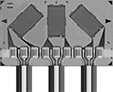 |
Rectangular Rosette Grid Pattern |
Strain gauges with wire leads save you the effort of soldering wire to the strain gauge and checking to see that it’s bonded securely.
Rectangular Rosette Grid Pattern—Rectangular Rosette pattern strain gauges measure strain in multiple directions, making them great for stress tests.
Resistance, ohm | Accuracy | Grid Lg. | Grid Wd. | Overall Lg. | Overall Wd. | Wire Lead Lg., ft. | Material | Temp. Range, ° F | Pkg. Qty. | Pkg. | |||||||||||||||||||||||||||||||||||||||||||||||||||||||||||||||||||||||||||||||||||||||||
|---|---|---|---|---|---|---|---|---|---|---|---|---|---|---|---|---|---|---|---|---|---|---|---|---|---|---|---|---|---|---|---|---|---|---|---|---|---|---|---|---|---|---|---|---|---|---|---|---|---|---|---|---|---|---|---|---|---|---|---|---|---|---|---|---|---|---|---|---|---|---|---|---|---|---|---|---|---|---|---|---|---|---|---|---|---|---|---|---|---|---|---|---|---|---|---|---|---|---|---|
Rectangular Rosette Grid Pattern | |||||||||||||||||||||||||||||||||||||||||||||||||||||||||||||||||||||||||||||||||||||||||||||||||||
For Use With Cast Iron, Composites, Printed Circuit Boards, and Steel | |||||||||||||||||||||||||||||||||||||||||||||||||||||||||||||||||||||||||||||||||||||||||||||||||||
| 350 | ±0.3% | 0.125" | 0.079" | 0.231" | 0.429" | 9 | Copper Nickel | -60 to 180 | 5 | 7245N103 | 0000000 | ||||||||||||||||||||||||||||||||||||||||||||||||||||||||||||||||||||||||||||||||||||||||
| 350 | ±0.5% | 0.014" | 0.012" | 0.071" | 0.143" | 9 | Nickel Chromium | -100 to 400 | 1 | 7245N101 | 00000 | ||||||||||||||||||||||||||||||||||||||||||||||||||||||||||||||||||||||||||||||||||||||||
|
Indicators record changes in force, doing the combined job of a multimeter, signal conditioner, and bridge amplifier. They’re battery-operated and portable. Using the included software, operate and configure them straight from your PC. These indicators have no internal memory, but they include an SD card to store your readings. Connect them to strain gauges using wire leads. If installing them in dirty or wet environments, just close the lid after attaching the lead wires.
No. of | |||||||||||||||||
|---|---|---|---|---|---|---|---|---|---|---|---|---|---|---|---|---|---|
Inputs | Terminals per input | Resistance, ohm | Accuracy | Sampling Interval | Response Time, sec. | Digital Display Type | Lg. | Wd. | Ht. | Wt., lb. | Batteries Included | Software Included | Temp. Range, ° F | Includes | Each | ||
| 4 | 10 | 120; 350; 1,000 | ±0.1% | 1 sec. to 1 hr. | 1 | LCD | 9" | 6" | 6" | 4.4 | Yes | Yes | 32 to 120 | 6-ft. Lg. USB Cord, 32 GB SD Card | 7245N114 | 000000000 | |
|
Container | ||||||||||
|---|---|---|---|---|---|---|---|---|---|---|
Size, fl. oz. | Type | Begins to Harden, min. | Reaches Full Strength, min. | Consistency | Temp. Range, ° F | For Use On | Includes | Each | ||
| 1 | Bottle | 1 | 5 | Thin Liquid | -25 to 150 | Aluminum, Composite, Glass, Steel | Catalyst | 7136N11 | 0000000 | |
|
Wd. | Lg., ft. | Color | Features | Each | ||
|---|---|---|---|---|---|---|
| 3/4" | 216 | Clear | Tape Dispenser | 7136N12 | 0000000 |
|
Dry Time | ||||||
|---|---|---|---|---|---|---|
Container Size, fl. oz. | Touch, min. | Overall, hr. | Pkg. Qty. | Pkg. | ||
| 1 | 20 | 2 | 4 | 7136N17 | 000000 | |
