We will reply to your message within an hour.
More
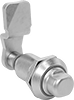
Also known as adjustable compression cam locks, these adjust to compensate for door or drawer misalignment.
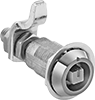
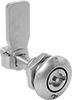
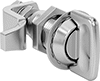
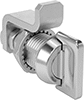
Also known as compression cam locks, these locks create a tighter hold than a traditional cam lock, making them useful for doors that have a seal. All open with a slotted screwdriver.
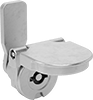
Install these locks on enclosure doors with smaller-than-standard diameter through holes. Also known as compression cam locks, these create a tighter hold than a traditional cam lock, making them useful for doors that have a seal.
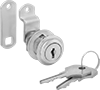
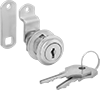
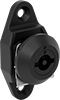
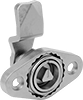
Often used on cabinet doors and file drawers, these cam locks fit into a ¾” dia. hole, the most common through-hole size, and have an arm that swings to lock.
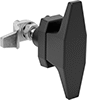
Ideal for high-vibration environments, these locks create a tighter hold than standard cam locks.
Swap out the key that’s needed to open these locks for extra security.
Use these locks in a 3/4" dia. through hole, which is the most common through-hole size.
These highly pick-resistant locks have specially designed half-moon keys that cannot be duplicated.
Also known as compression cam locks, these locks create a tighter hold than a traditional cam lock, making them useful for doors that have a seal. Offering more security than standard keyed alike cam locks, they have circular keys that are difficult to duplicate.
These locks open with their own unique key as well as a master key.
Offering more security than standard master keyed cam locks, these have circular keys that are difficult to duplicate.
Without a keyway, you don't have to worry about these magnetic locks being picked or memorizing combinations. They are water-tight, so they resist snow, dirt, and other contaminants.
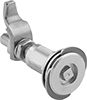
Also known as compression cam locks, these locks create a tighter hold than a traditional cam lock, making them useful for doors that have a seal. Since they lock with a hex key, these locks are great if you want to secure an enclosure with a simple keying system.
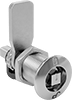
Also known as compression cam locks, these locks create a tighter hold than a traditional cam lock, making them useful for doors that have a seal. All open with a square key, so they're more secure than locks that open with a hex or slotted driver.
A gasket helps keep high-pressure, high-temperature washdowns and dust from entering through the lock. This helps you maintain an IP69K rating on sealed enclosures
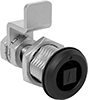
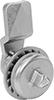
Prevent cabinet doors, drawers, and other enclosures with smaller-than-standard diameter through holes from vibrating open. Also known as compression cam locks, these locks create a tighter hold than standard cam locks, making them useful for doors that have a seal. These locks open with a square key, so they're more secure than locks that open with a hex or slotted driver yet still match a common keying system for industrial enclosures and other machinery.
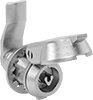
Quickly spot if these locks are open—a red indicator appears on the lock face or a spring-loaded cover pops up when they’re unlocked. Also known as compression cam locks, these locks create a tighter hold than a traditional cam lock, making them useful for doors that have a seal.
Mount these two-piece locks on sealed pressurized enclosures to gradually release pressure and prevent your door from bursting open.
Designed for food-processing and hygienic applications, these locks are FDA compliant for direct contact with food. Also known as compression cam locks, these locks create a tighter hold than a traditional cam lock, making them useful for doors that have a seal.
Also known as compression cam locks, these locks create a tighter hold than traditional cam locks, making them useful for doors that have a seal.
An O-ring keeps water from entering through the lock during high-pressure, high-temperature washdowns. Also known as compression cam locks, these locks create a tighter hold than traditional cam locks, making them useful for doors that have a seal.
Quickly spot when your door is unlocked—the spring-loaded cover pops up when these locks are open. Also known as compression cam locks, they create a tighter hold than standard cam locks, so they’re often used in high-vibration areas.
Mount these two-piece locks on sealed pressurized enclosures to gradually release and prevent your door from bursting open.
Also known as compression cam locks, these locks create a tighter hold than a traditional cam lock, making them useful for doors that have a seal.
A seal helps keep high-pressure, high-temperature washdowns and dust from entering through the lock. Also known as compression cam locks, these locks create a tighter hold than a traditional cam lock.
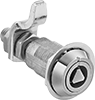
The spring-loaded cover pops up when these locks are open, so you’re able to see from a distance when they're unlocked. Also known as compression cam locks, they create a tighter hold than standard cam locks in high-vibration environments. They open with a triangle key, so they match a keying system that's common for industrial enclosures and other machinery but are more secure than locks that open with a hex or slotted driver.
Also known as compression cam locks, these locks create a tighter hold than a traditional cam lock, making them useful for doors that have a seal. Choose these locks if you need several locks that open with the same key.
Fold the ring handle into the recess to stay out of the way when not in use.
Also known as compression cam locks, these locks create a tighter hold than a traditional cam lock, making them useful for doors that have a seal. It’s harder to snag straps and other items on these wing-handle locks than on T- or L-handle locks. Choose them if you need several locks that open with the same key.
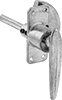
Also known as compression cam latches, turn the handle a quarter-turn to latch, then another quarter-turn to draw the cam firmly against the door or drawer surface.
It’s harder to snag straps and other items on these wing-handle latches than on T- or L-handle latches. Also known as compression cam latches, these create a tighter hold than a traditional cam latch, making them useful for doors that have a seal.
Install these latches on enclosure doors with smaller-than-standard diameter through holes. All have a wing handle that makes it harder to snag straps and other items on them than on T- or L-handle latches. Also known as compression cam latches, these create a tighter hold than a traditional cam latch.
Fold the handle into the recess to stay out of the way when not in use. Also known as compression cam latches, they create a tighter hold than traditional cam latches, making them useful for doors that have a seal.
The knob on these latches is easy to grip and less likely to snag straps or clothing than T- or L-handle latches. Also known as compression cam latches, these latches create a tighter hold than a traditional cam latch, so they’re useful for doors with a seal.
Ideal for high-vibration environments, these latches create a tighter hold than standard cam latches on cabinet doors and file drawers. Add a padlock for extra security.