










Clear All
Trade Name Trade Name | Show |
|---|
|
Trade Name Trade Name | Hide |
|---|
Manufacturer Manufacturer |
|---|
|
Container Type Container Type |
|---|
 | Tube |
Lubricant Type Lubricant Type |
|---|
|
Specifications Met Specifications Met |
|---|
Thickener Thickener |
|---|
|
NLGI Viscosity Grade NLGI Viscosity Grade |
|---|
|
RoHS (Restriction of Hazardous Substances) RoHS (Restriction ofHazardous Substances) |
|---|
|
Color Color |
|---|
 | White |
Synthetic Oil Composition Synthetic Oil Composition |
|---|
|
Maximum Temperature Maximum Temperature |
|---|
|
Minimum Temperature Minimum Temperature |
|---|
|
REACH (Registration, Evaluation, Authorization and Restriction of Chemicals) REACH (Registration,Evaluation, Authorization and Restriction of Chemicals) |
|---|
|
DFARS (Defense Acquisition Regulations Supplement) DFARS (Defense AcquisitionRegulations Supplement)  |
|---|
Melting Temperature Melting Temperature |
|---|
|
Base Oil Base Oil |
|---|
|
About Lubricants
More
About Grease
More
Seal and O-Ring Grease
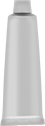
Apply directly to seals and O-rings to extend service life by preventing drying and cracking.
NLGI viscosity grade is a rating of a grease's consistency. NLGI 2 is about the consistency of peanut butter. Synthetic-oil-based grease lasts longer than mineral-oil-based grease and withstands a wider range of temperatures.
Grease with PTFE thickener has good heat, moisture, and oxidation resistance. Grease lubricates most efficiently within the listed temperature range. Chemours Krytox™ 240AC Type III resists most acids, bases, solvents, and fuels, and is long lasting with an indefinite shelf life.