





Clear All
For Use On For Use On |
|---|
|
Container Type Container Type |
|---|
 | Tube |
Lubricant Type Lubricant Type |
|---|
|
NLGI Viscosity Grade NLGI Viscosity Grade |
|---|
|
Synthetic Oil Composition Synthetic Oil Composition |
|---|
|
Thickener Thickener |
|---|
|
Base Oil Base Oil |
|---|
|
Trade Name Trade Name | Show |
|---|
|
Trade Name Trade Name | Hide |
|---|
Manufacturer Manufacturer |
|---|
|
Minimum Temperature Minimum Temperature |
|---|
|
Maximum Temperature Maximum Temperature |
|---|
|
Color Color |
|---|
 | Off-White |
REACH (Registration, Evaluation, Authorization and Restriction of Chemicals) REACH (Registration,Evaluation, Authorization and Restriction of Chemicals) |
|---|
|
Container Size Container Size |
|---|
|
Melting Temperature Melting Temperature |
|---|
|
DFARS (Defense Acquisition Regulations Supplement) DFARS (Defense AcquisitionRegulations Supplement)  |
|---|
RoHS (Restriction of Hazardous Substances) RoHS (Restriction ofHazardous Substances) |
|---|
|
Additive Additive |
|---|
|
About Lubricants
More
About Grease
More
Seal and O-Ring Grease
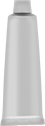
Apply directly to seals and O-rings to extend service life by preventing drying and cracking.
NLGI viscosity grade is a rating of a grease's consistency. NLGI 1 is about the consistency of tomato paste.
Mineral-oil-based grease, derived from petroleum, is more economical than synthetic-oil-based grease. Grease with lithium thickener offers good heat and moisture resistance. Grease with zinc neutralizes acid and is a good replacement for leaded grease.
Grease lubricates most efficiently within the listed temperature range. Melting temperature is the point at which grease will fail and run out of equipment, leaving it to run dry.