Filter by
Product Family


Container Type


For Use On
Specifications Met
Chemical
Solution Type
Export Control Classification Number (ECCN)

REACH
DFARS Specialty Metals
Passivating Cleaners
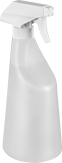 |
Spray Bottle |
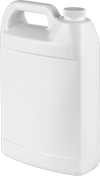 |
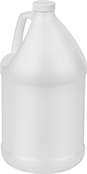
Jug |
Restore and maintain the surface layer on stainless steel that protects it from corrosion. Also known as passivating fluids, these cleaners are made from citric acid, which removes iron from the surface of stainless steel that has been damaged from machining, heat, or chemicals. This exposes the chromium in stainless steel and reacts with air to form a protective layer. These cleaners also remove dirt, discoloration, and minor corrosion. Unlike nitric acid and other passivating fluids, citric acid does not create dangerous fumes and is safe for use throughout your plant. These cleaners come ready-to-use, so you don’t have to mix them, but you can dilute them with water for 400-series stainless steel and other sensitive parts.
These cleaners meet SAE and ASTM international guidelines for passivating stainless steel. They also meet ASTM international guidelines for descaling and cleaning titanium and titanium alloys.
Liquids—Liquid cleaners are thinner than gel cleaners, making them ideal for submerging parts. When spot cleaning, however, they will drip down vertical surfaces.
Gels—Gel cleaners are thicker than liquid cleaners, so they cling to surfaces. Use them on vertical surfaces, weld joints, and other parts that can’t be submerged.
For Removing Dirt—Cleaners for removing dirt only are less acidic and won’t discolor 400-series stainless steel. Do not use them on parts that have rust.
For Removing Dirt and Rust—Cleaners for removing dirt and rust contain an additive that eliminates existing rust.
Container | |||||||||
|---|---|---|---|---|---|---|---|---|---|
Type | Size | Solution Type | Harshness | For Use On | Specs. Met | Each | |||
Liquids | |||||||||
For Removing Dirt and Rust | |||||||||
| Spray Bottle | 22 fl. oz. | Water Based | Moderate | Stainless Steel | ASTM A380, ASTM A967, ASTM B600, SAE AMS2700 | 7373N11 | 000000 | ||
| Jug | 1 gal. | Water Based | Moderate | Stainless Steel | ASTM A380, ASTM A967, ASTM B600, SAE AMS2700 | 7373N14 | 00000 | ||
Gels | |||||||||
For Removing Dirt and Rust | |||||||||
| Spray Bottle | 22 fl. oz. | Water Based | Moderate | Stainless Steel | ASTM A380, ASTM A967, ASTM B600, SAE AMS2700 | 7373N13 | 00000 | ||
| Jug | 1 gal. | Water Based | Moderate | Stainless Steel | ASTM A380, ASTM A967, ASTM B600, SAE AMS2700 | 7373N16 | 00000 | ||
For Removing Dirt | |||||||||
| Spray Bottle | 22 fl. oz. | Water Based | Moderate | Stainless Steel | ASTM A380, ASTM A967, ASTM B600, SAE AMS2700 | 7373N12 | 00000 | ||
| Jug | 1 gal. | Water Based | Moderate | Stainless Steel | ASTM A380, ASTM A967, ASTM B600, SAE AMS2700 | 7373N15 | 00000 | ||
Citric Acid
Passivation Testers
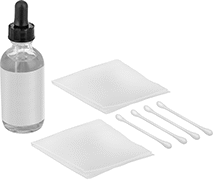 |
Test stainless steel to see if it needs to be passivated or was properly passivated. These tests detect the presence of iron from fabrication processes, which can limit stainless steel's inherent ability to resist corrosion. Often used in aerospace, pharmaceutical, and medical device industries, they meet ASTM, aerospace, and military passivation standards.
To perform a test, squeeze the dropper to apply the solution to the surface of a part. Keep the surface wet for six minutes before rinsing and drying it off. Do not scrub the solution off. If iron is detected, the surface will appear copper in color. If no copper coloring appears, the surface is clear of contaminants and is properly passivated. These bottles include enough solution to perform hundreds of spot tests.
This test is often used on all 200 and 300 series stainless steels and some 400 series stainless steel alloys. However, it’s not recommended to use this solution on 400 series stainless steel with less than 16% chromium. These stainless steel alloys will typically cause a false failure of the test.
Container | |||||||||
|---|---|---|---|---|---|---|---|---|---|
For Use On | Test Type | No. of Tests | Type | Size, fl. oz. | Includes | Specs. Met | Each | ||
| Stainless Steel | Analog | 200 | Bottle | 2 | Cloth, Copper-Sulfate Testing Solution, Cotton Swabs | ASTM A380, ASTM A967, ASTM B912, SAE AMS2700 | 7205N11 | 000000 | |
Nitric Acid
 |
Container | |||||||||
|---|---|---|---|---|---|---|---|---|---|
Size | Type | Material | Form | CAS No. | Specs. Met | Each | |||
0.3%, Light Viscosity (31 SSU) | |||||||||
| 500 ml | Bottle | Plastic | Liquid | 7697-37-2 | — | 3190K957 | 000000 | ||
4.27%, Light Viscosity (31 SSU) | |||||||||
| 500 ml | Bottle | Plastic | Liquid | 7697-37-2 | — | 3190K959 | 00000 | ||
10%, Light Viscosity (31 SSU) | |||||||||
| 500 ml | Bottle | Glass | Liquid | 7697-37-2 | — | 3190K964 | 00000 | ||
20%, Light Viscosity (31 SSU) | |||||||||
| 500 ml | Bottle | Glass | Liquid | 7697-37-2 | — | 3190K966 | 00000 | ||
50%, Light Viscosity (31 SSU) | |||||||||
| 500 ml | Bottle | Glass | Liquid | 7697-37-2 | — | 3190K97 | 00000 | ||
| 1 L | Bottle | Glass | Liquid | 7697-37-2 | — | 3190K971 | 000000 | ||
| 2.5 L | Bottle | Glass | Liquid | 7697-37-2 | — | 3190K972 | 000000 | ||
70%, Light Viscosity (31 SSU) | |||||||||
| 500 ml | Bottle | Glass | Liquid | 7697-37-2 | ACS Reagent Grade | 3190K951 | 000000 | ||
| 1 L | Bottle | Glass | Liquid | 7697-37-2 | ACS Reagent Grade | 3190K952 | 000000 | ||
| 2.5 L | Bottle | Glass | Liquid | 7697-37-2 | ACS Reagent Grade | 3190K954 | 000000 | ||
Electropolishing Solutions