

Filter by
System of Measurement
Output Voltage

Input Voltage
Output Electrical Connection


Electrical Phase
Input Current @ Voltage


Housing Material
Input Electrical Connection
Material
Maximum Temperature
Minimum Temperature
U.S.–Mexico–Canada Agreement (USMCA) Qualifying
DFARS Specialty Metals
Export Control Classification Number (ECCN)
Power Supplies
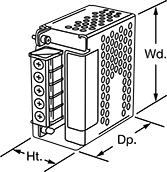 | 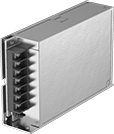 |
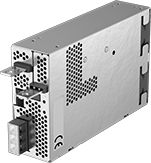
Single Phase, Screw-Terminal Input and Output Connection | |
 | |
Single Phase, Screw-Terminal Input and Quick-Disconnect-Terminal Output Connection |
To power electronics ranging from simple prototypes to complex industrial automation and process control equipment, these general purpose power supplies convert AC to DC voltage. Mount them to a surface inside your device’s enclosure.
So you don’t accidentally touch internal components and shock yourself, these power supplies have their own housing. If you occasionally need to poke around inside your device’s enclosure, the housing also protects the power supplies themselves from damage. But compared to open-frame power supplies, these have a larger footprint, so they won’t fit in tight spaces.
For output wire connections, choose between standard screw terminals and quick-disconnect terminals. Use quick-disconnect terminals if you have wires with ring terminal ends. To connect them, slide a screw through the hole in the quick-disconnect terminal, slip the ring terminal from your wire over the screw, and tighten a nut on the end of the screw to hold everything in place. Screws, nuts, and ring terminals are not included.
All of these power supplies use switching regulation, which means they produce the stated voltage despite fluctuations in your input power and the power being drawn by your system, and they won’t become too hot. Power supplies that are SEMI F47 compliant meet standards for maintaining output voltage when input voltage dips. This is commonly known as voltage sag immunity.
If you exceed the maximum current, load, or voltage, these power supplies shut down to protect both the power supply and the connected equipment. Some also protect against excessive temperatures. All meet stringent safety standards.
Maximum Output Noise Peak-to-Peak—Maximum output noise is also known as ripple noise. The lower the value, the less interference the power supply creates. For most applications, a value over 100mVpp isn’t a problem. However, when using to power extremely sensitive electronics, such as audio equipment and high-precision measuring and testing equipment, you’ll want an output noise around 5mVpp or less.
Power Factor @ Voltage—Power factor shows how effectively a power supply draws AC power from the main electrical supply. The higher the power factor—up to a maximum score of 1—the lower your operating cost.
Efficiency @ Voltage—Efficiency describes how good a power supply is at converting the AC power it draws from your main electrical supply into DC power. High-efficiency power supplies cost less money to operate and produce less heat, meaning cooler temperatures in your electrical cabinet.
Cannot Be Sold To—Power supplies that cannot be sold to the regions listed are restricted by local energy efficiency requirements.
Output | Mounting | ||||||||||||||||||||||||||||||||||||||||||||||||||||||||||||||||||||||||||||||||||||||||||||||||||
|---|---|---|---|---|---|---|---|---|---|---|---|---|---|---|---|---|---|---|---|---|---|---|---|---|---|---|---|---|---|---|---|---|---|---|---|---|---|---|---|---|---|---|---|---|---|---|---|---|---|---|---|---|---|---|---|---|---|---|---|---|---|---|---|---|---|---|---|---|---|---|---|---|---|---|---|---|---|---|---|---|---|---|---|---|---|---|---|---|---|---|---|---|---|---|---|---|---|---|---|
No. of Power Connections | Voltage | Voltage Adjustment Range, V DC | Current | Power | Max. Noise Peak-to-Peak | Power Factor @ Voltage | Efficiency @ Voltage | Ht. | Wd. | Dp. | Certification | Specs. Met | Electrical Protection Type | Cannot Be Sold To | Fasteners Included | Number of Holes | Each | ||||||||||||||||||||||||||||||||||||||||||||||||||||||||||||||||||||||||||||||||||
Single Phase—100V AC to 240V AC Input Voltage | |||||||||||||||||||||||||||||||||||||||||||||||||||||||||||||||||||||||||||||||||||||||||||||||||||
Screw-Terminal Input and Output Connection | |||||||||||||||||||||||||||||||||||||||||||||||||||||||||||||||||||||||||||||||||||||||||||||||||||
| 1 | 36V DC | 32 to 40 | 0.75 amp | 27 W | 150 mV DC | Not Rated | 84% @ 230V AC | 1.1" | 2" | 3.1" | C-UL Recognized Component CE Marked UL Recognized Component | — | Overcurrent, Overload, Overvoltage | California, Vermont | No | 4 | 7010K168 | 000000 | |||||||||||||||||||||||||||||||||||||||||||||||||||||||||||||||||||||||||||||||||
| 1 | 36V DC | 32 to 40 | 1.4 amp | 50.4 W | 150 mV DC | Not Rated | 86% @ 230V AC | 1.4" | 3.8" | 3.9" | C-UL Recognized Component CE Marked UL Recognized Component | — | Overcurrent, Overload, Overvoltage | California, Vermont | No | 4 | 7010K169 | 00000 | |||||||||||||||||||||||||||||||||||||||||||||||||||||||||||||||||||||||||||||||||
| 1 | 36V DC | 32.4 to 39.6 | 2.8 amp | 100.8 W | 200 mV DC | 0.98 @ 100V AC 0.98 @ 115V AC 0.9 @ 230V AC | 86% @ 100V AC 86% @ 115V AC 89% @ 230V AC | 1.6" | 3.8" | 4.3" | C-UL Recognized Component CE Marked D Marked UL Recognized Component | SEMI F47 | Overcurrent, Overload, Overvoltage | California, Vermont | No | 5 | 7010K146 | 00000 | |||||||||||||||||||||||||||||||||||||||||||||||||||||||||||||||||||||||||||||||||
| 1 | 36V DC | 32.4 to 39.6 | 4.2 amp | 151.2 W | 200 mV DC | 0.98 @ 100V AC 0.98 @ 115V AC 0.93 @ 230V AC | 87% @ 100V AC 87% @ 115V AC 90% @ 230V AC | 1.6" | 3.8" | 5.1" | C-UL Recognized Component CE Marked D Marked UL Recognized Component | SEMI F47 | Overcurrent, Overload, Overvoltage | California, Vermont | No | 5 | 7010K147 | 000000 | |||||||||||||||||||||||||||||||||||||||||||||||||||||||||||||||||||||||||||||||||
| 2 | 36V DC | 32.4 to 39.6 | 8.4 amp | 302.4 W | 200 mV DC | 0.99 @ 100V AC 0.98 @ 115V AC 0.95 @ 230V AC | 83% @ 100V AC 83% @ 115V AC 87% @ 230V AC | 1.6" | 4" | 7.5" | C-UL Recognized Component CE Marked D Marked UL Recognized Component | SEMI F47 | Overcurrent, Overload, Overvoltage | — | No | 8 | 7010K148 | 000000 | |||||||||||||||||||||||||||||||||||||||||||||||||||||||||||||||||||||||||||||||||
| 2 | 36V DC | 32.4 to 39.6 | 16.7 amp | 601.2 W | 200 mV DC | 0.99 @ 100V AC 0.98 @ 115V AC 0.95 @ 230V AC | 85% @ 100V AC 86% @ 115V AC 88% @ 230V AC | 2.4" | 4.7" | 7.5" | C-UL Recognized Component CE Marked D Marked UL Recognized Component | SEMI F47 | Overcurrent, Overload, Overvoltage | — | No | 8 | 7010K149 | 000000 | |||||||||||||||||||||||||||||||||||||||||||||||||||||||||||||||||||||||||||||||||
Screw-Terminal Input and Quick-Disconnect-Terminal Output Connection | |||||||||||||||||||||||||||||||||||||||||||||||||||||||||||||||||||||||||||||||||||||||||||||||||||
| 1 | 36V DC | 32.4 to 39.6 | 28 amp | 1,008 W | 200 mV DC | 0.98 @ 100V AC 0.98 @ 115V AC 0.95 @ 230V AC | 84% @ 100V AC 85% @ 115V AC 88% @ 230V AC | 2.4" | 5.9" | 9.5" | C-UL Recognized Component CE Marked D Marked UL Recognized Component | SEMI F47 | Overcurrent, Overload, Overvoltage | — | No | 12 | 7010K151 | 000000 | |||||||||||||||||||||||||||||||||||||||||||||||||||||||||||||||||||||||||||||||||
| 1 | 36V DC | 32.4 to 39.6 | 42 amp | 1,512 W | 200 mV DC | 0.98 @ 100V AC 0.98 @ 115V AC 0.95 @ 230V AC | 84% @ 100V AC 85% @ 115V AC 88% @ 230V AC | 2.4" | 7" | 10.6" | C-UL Recognized Component CE Marked D Marked UL Recognized Component | SEMI F47 | Overcurrent, Overload, Overvoltage | — | No | 12 | 7010K152 | 000000 | |||||||||||||||||||||||||||||||||||||||||||||||||||||||||||||||||||||||||||||||||
Remote On/Off Power Supplies
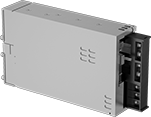 | 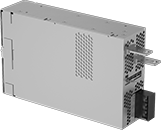 |
Single Phase, Screw-Terminal Input and Output Connection | Single Phase, Screw-Terminal Input and Quick-Disconnect-Terminal Output Connection |
Output | |||||||||||||||||||||||||||||||||||||||||||||||||||||||||||||||||||||||||||||||||||||||||||||||||||
|---|---|---|---|---|---|---|---|---|---|---|---|---|---|---|---|---|---|---|---|---|---|---|---|---|---|---|---|---|---|---|---|---|---|---|---|---|---|---|---|---|---|---|---|---|---|---|---|---|---|---|---|---|---|---|---|---|---|---|---|---|---|---|---|---|---|---|---|---|---|---|---|---|---|---|---|---|---|---|---|---|---|---|---|---|---|---|---|---|---|---|---|---|---|---|---|---|---|---|---|
Voltage, V DC | Voltage Adjustment Range, V DC | Current, amp | Power, W | Max. Noise Peak-to-Peak, mV DC | Power Factor @ Voltage | Efficiency @ Voltage | Electrical Connection | Ht. | Wd. | Dp. | Each | ||||||||||||||||||||||||||||||||||||||||||||||||||||||||||||||||||||||||||||||||||||||||
Single Phase—100-240V AC Input Voltage | |||||||||||||||||||||||||||||||||||||||||||||||||||||||||||||||||||||||||||||||||||||||||||||||||||
Screw-Terminal Input and Output Connection | |||||||||||||||||||||||||||||||||||||||||||||||||||||||||||||||||||||||||||||||||||||||||||||||||||
| 36 | 25.2 to 39.6 | 9 | 324 | 200 | 0.98 @ 100V AC 0.95 @ 200V AC | 81% @ 100V AC 84% @ 200V AC | 8-Pin JST Automotive 10-Pin JST Automotive | 1.65" | 4.02" | 6.69" | 6896N34 | 0000000 | |||||||||||||||||||||||||||||||||||||||||||||||||||||||||||||||||||||||||||||||||||||||
| 36 | 25.2 to 39.6 | 18 | 648 | 200 | 0.98 @ 100V AC 0.95 @ 200V AC | 82% @ 100V AC 84% @ 200V AC | 8-Pin JST Automotive 10-Pin JST Automotive | 2.4" | 4.72" | 7.48" | 6896N35 | 000000 | |||||||||||||||||||||||||||||||||||||||||||||||||||||||||||||||||||||||||||||||||||||||
Screw-Terminal Input and Quick-Disconnect-Terminal Output Connection | |||||||||||||||||||||||||||||||||||||||||||||||||||||||||||||||||||||||||||||||||||||||||||||||||||
| 36 | 25.2 to 39.6 | 29 | 1,044 | 200 | 0.98 @ 100V AC 0.95 @ 200V AC | 84% @ 100V AC 86% @ 200V AC | 8-Pin JST Automotive 10-Pin JST Automotive | 2.4" | 5.91" | 9.45" | 6896N36 | 000000 | |||||||||||||||||||||||||||||||||||||||||||||||||||||||||||||||||||||||||||||||||||||||
| 36 | 25.2 to 39.6 | 42 | 1,692 | 200 | 0.98 @ 100V AC 0.95 @ 200V AC | 84% @ 100V AC 87% @ 200V AC | 8-Pin JST Automotive 10-Pin JST Automotive | 2.4" | 7.01" | 10.55" | 6896N37 | 00000000 | |||||||||||||||||||||||||||||||||||||||||||||||||||||||||||||||||||||||||||||||||||||||
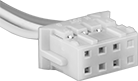 | 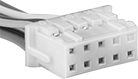 |
8-Pin JST Automotive Connection | 10-Pin JST Automotive Connection |
To use the remote features of these power supplies, you’ll need a wire connector.
8-Pin JST Automotive Connection—8-pin JST automotive connectors enable remote on/off, voltage sensing, and signaling functionality using the power supply’s auxiliary power output.
10-Pin JST Automotive Connection—10-pin JST automotive connectors only add remote on/off and voltage sensing functionality. They require an external power source, such as a battery or another power supply.
