

Filter by


System of Measurement

Flexibility


Performance


Maximum Temperature


Backing Type

Face Material
Minimum Temperature
Environment
Hardness Rating


DFARS Specialty Metals
RoHS

Tensile Strength

About Composites
%20--%3e%3csvg%20version='1.1'%20id='Layer_1'%20xmlns='http://www.w3.org/2000/svg'%20xmlns:xlink='http://www.w3.org/1999/xlink'%20x='0px'%20y='0px'%20viewBox='0%200%20400%20400'%20style='enable-background:new%200%200%20400%20400;'%20xml:space='preserve'%3e%3cstyle%20type='text/css'%3e%20.st0{fill:%231A70A0;}%20.st1{opacity:0.5;}%20%3c/style%3e%3cg%3e%3cg%3e%3cpath%20class='st0'%20d='M200,56.9c38.35,0,74.4,14.93,101.51,42.05c27.11,27.11,42.05,63.17,42.05,101.51s-14.93,74.4-42.05,101.51%20S238.35,344.02,200,344.02s-74.4-14.93-101.51-42.05c-27.11-27.11-42.05-63.17-42.05-101.51s14.93-74.4,42.05-101.51%20S161.65,56.9,200,56.9%20M200,12.9C96.41,12.9,12.44,96.88,12.44,200.46c0,103.59,83.97,187.56,187.56,187.56%20c103.59,0,187.56-83.97,187.56-187.56C387.56,96.88,303.59,12.9,200,12.9L200,12.9z'/%3e%3c/g%3e%3cg%3e%3cg%20class='st1'%3e%3cpath%20class='st0'%20d='M235.49,152.24h16.15l-27.46,111.87c-1.94,7.8-2.91,12.5-2.91,14.1c0,1.82,0.58,3.29,1.73,4.41%20c1.16,1.12,2.69,1.68,4.61,1.68c5.23,0,11.78-3.85,19.63-11.55l17.22,21.34c-16.95,17.33-34.87,26-53.78,26%20c-8.37,0-15.45-1.47-21.23-4.41c-5.79-2.94-10.44-7.25-13.95-12.92c-3.51-5.67-5.27-11.18-5.27-16.53c0-1.93,0.35-5.24,1.05-9.94%20c1-6.94,2.05-12.54,3.15-16.82l15.22-62.15h-32.69l7.65-30.97C190.89,163.58,214.53,158.88,235.49,152.24z%20M230.44,80.84%20c8.24,0,14.66,2.62,19.26,7.86c4.6,5.24,6.9,11.55,6.9,18.94c0,5.46-1.42,10.7-4.25,15.73c-2.83,5.03-6.88,9.07-12.12,12.12%20c-5.24,3.05-10.33,4.57-15.24,4.57c-4.6,0-9.17-1.23-13.72-3.69c-4.55-2.46-8.02-5.78-10.43-9.95%20c-2.41-4.17-3.61-8.67-3.61-13.48c0-5.35,1.52-10.64,4.57-15.89c3.05-5.24,7.03-9.25,11.96-12.04%20C218.68,82.23,224.24,80.84,230.44,80.84z'/%3e%3c/g%3e%3cg%3e%3cpath%20class='st0'%20d='M214.08,152.24h16.15l-27.46,111.87c-1.94,7.8-2.91,12.5-2.91,14.1c0,1.82,0.58,3.29,1.73,4.41%20c1.16,1.12,2.69,1.68,4.61,1.68c5.23,0,11.78-3.85,19.63-11.55l17.22,21.34c-16.95,17.33-34.87,26-53.78,26%20c-8.37,0-15.45-1.47-21.23-4.41c-5.79-2.94-10.44-7.25-13.95-12.92c-3.51-5.67-5.27-11.18-5.27-16.53c0-1.93,0.35-5.24,1.05-9.94%20c1-6.94,2.05-12.54,3.15-16.82l15.22-62.15h-32.69l7.65-30.97C169.48,163.58,193.11,158.88,214.08,152.24z%20M209.03,80.84%20c8.24,0,14.66,2.62,19.26,7.86c4.6,5.24,6.9,11.55,6.9,18.94c0,5.46-1.42,10.7-4.25,15.73c-2.83,5.03-6.88,9.07-12.12,12.12%20c-5.24,3.05-10.33,4.57-15.24,4.57c-4.6,0-9.17-1.23-13.72-3.69c-4.55-2.46-8.02-5.78-10.43-9.95%20c-2.41-4.17-3.61-8.67-3.61-13.48c0-5.35,1.52-10.64,4.57-15.89c3.05-5.24,7.03-9.25,11.96-12.04%20C197.26,82.23,202.83,80.84,209.03,80.84z'/%3e%3c/g%3e%3c/g%3e%3c/g%3e%3c/svg%3e)
Compare our offering of composites to find the right material for you.
Composite Fiber Aramid Honeycomb Panels
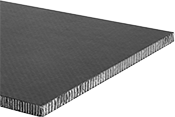 |
Carbon Fiber Face |
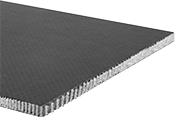 |
Fiberglass Face |
With an aramid honeycomb core sandwiched between carbon fiber or fiberglass for rigidity, these panels are strong, but lightweight, and won’t conduct heat. Often used as wall panels in structural and insulating applications, they’re a lightweight alternative to solid composite and aluminum honeycomb panels.
Carbon Fiber Face—Carbon-fiber-faced panels are stronger and more rigid than fiberglass-faced panels, so they resist deforming from bending, twisting, or buckling. They will, however, splinter from high-impact blows. These panels are lighter than fiberglass-faced panels. However, they conduct electricity, so don’t use them around electrical components.
Fiberglass Face—Fiberglass-faced panels are often used around electrical components because they are good electrical insulators. They resist cracks from bumps and hits better than carbon-fiber-faced panels, but are not as strong or lightweight.
12" × 12" | ||||||||||
|---|---|---|---|---|---|---|---|---|---|---|
Thk. | Thk. Tolerance | Honeycomb Cell Size | Face Color | Temp. Range, ° F | Yield Strength | For Use Outdoors | Each | |||
Carbon Fiber Face | ||||||||||
| 1/8" | -0.03" to 0.03" | 0.125" | Black | -100 to 250 | Not Rated | No | 6174N116 | 0000000 | ||
| 1/4" | -0.03" to 0.03" | 0.125" | Black | -100 to 250 | Not Rated | No | 6174N111 | 000000 | ||
| 1/2" | -0.06" to 0.06" | 0.125" | Black | -100 to 250 | Not Rated | No | 6174N122 | 000000 | ||
Fiberglass Face | ||||||||||
| 1/8" | -0.03" to 0.03" | 0.125" | Black | -100 to 250 | Not Rated | No | 6175N116 | 000000 | ||
| 1/4" | -0.03" to 0.03" | 0.125" | Black | -100 to 250 | Not Rated | No | 6175N111 | 000000 | ||
| 1/2" | -0.06" to 0.06" | 0.125" | Black | -100 to 250 | Not Rated | No | 6175N122 | 000000 | ||
Wear-Resistant Kevlar Sheets
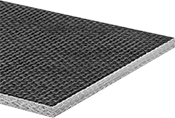 |
Often used as rotor vanes in pumps and compressors, these sheets are made of Kevlar, a super-tough material that stands up to wear and abrasion.
%20--%3e%3cg%3e%3cg%20id='Layer_1'%3e%3cpath%20class='cls-1'%20d='M68,27.2c-14.6,0-26.4,11.7-26.4,26.3,0,7,2.8,13.7,7.7,18.7v44.8l18.8-16.1,18.7,16.1v-44.9c10.3-10.3,10.3-27,0-37.3-5-4.9-11.7-7.7-18.7-7.7h0ZM81.3,105l-13.2-11.4-13.2,11.4v-28.7c8.2,4.8,18.3,4.8,26.5,0v28.7ZM76.2,70.8c-5.2,2.5-11.2,2.5-16.4,0-9.5-4.5-13.5-15.9-9-25.4,4.5-9.5,15.9-13.5,25.4-9,9.5,4.5,13.5,15.9,9,25.4-1.9,4-5.1,7.1-9,9Z'/%3e%3cpath%20class='cls-2'%20d='M5.8,95.5c-1.2,0-2.1-1-2.1-2.1,0,0,0,0,0,0V29.4h20.9c2.1,0,3.8-1.7,3.8-3.8V3.7c.2,0,.4,0,.5,0h37.5c1.2,0,2.1,1,2.1,2.1v18.6c1.2,0,2.5.1,3.7.3V5.8C72.2,2.6,69.6,0,66.4,0H28.9c-1.5,0-3,.6-4.1,1.7h-.1c0,.1-23,23.2-23,23.2-1.1,1.1-1.7,2.6-1.7,4.1v64.3c0,3.2,2.6,5.8,5.8,5.8h41.7v-3.7H5.8ZM24.7,7.1v18.7H6L24.7,7.1Z'/%3e%3c/g%3e%3c/g%3e%3c/svg%3e)
Certificates with a traceable lot number are available for these products. Download certificates from ORDER HISTORY after your order ships.
6" × 6" | ||||||||||
|---|---|---|---|---|---|---|---|---|---|---|
Thk. | Tolerance Rating | Color | Max. Temp. | Tensile Strength, psi | Impact Strength, ft·lbf/in | Hardness | For Use Outdoors | Each | ||
| 3/16" | Oversized | Brown | Not Rated | 10,600 | 23.792 | Not Rated | Yes | 1657N11 | 0000000 | |
| 1/4" | Oversized | Brown | Not Rated | 10,600 | 23.792 | Not Rated | Yes | 1657N12 | 000000 | |
| 3/8" | Oversized | Brown | Not Rated | 10,600 | 23.792 | Not Rated | Yes | 1657N13 | 000000 | |
| 1/2" | Oversized | Brown | Not Rated | 10,600 | 23.792 | Not Rated | Yes | 1657N14 | 000000 | |
Wear-Resistant Kevlar Tubes
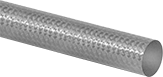 |
These tubes are made of Kevlar, a super-tough material that stands up to wear and abrasion. Use them as sleeves to protect cords from cuts and gashes.
12" Long | 36" Long | ||||||||||||||
|---|---|---|---|---|---|---|---|---|---|---|---|---|---|---|---|
OD | OD Tolerance | ID | ID Tolerance | Color | Temp. Range, ° F | Tensile Strength | Impact Strength | Hardness | For Use Outdoors | Each | Each | ||||
0.015" Thick Wall (-0.012" to 0.012") | |||||||||||||||
| 0.655" | -0.012" to 0.012" | 5/8" | -0.006" to 0.006" | Yellow | 0 to 250 | Not Rated | Not Rated | Not Rated | No | 1901N11 | 000000 | 1901N12 | 000000 | ||
| 0.78" | -0.012" to 0.012" | 3/4" | -0.006" to 0.006" | Yellow | 0 to 250 | Not Rated | Not Rated | Not Rated | No | 1901N13 | 00000 | ——— | 0 | ||
| 1.53" | -0.012" to 0.012" | 1 1/2" | -0.006" to 0.006" | Yellow | 0 to 250 | Not Rated | Not Rated | Not Rated | No | 1901N15 | 00000 | ——— | 0 | ||
| 2.03" | -0.02" to 0.02" | 2" | -0.01" to 0.01" | Yellow | 0 to 250 | Not Rated | Not Rated | Not Rated | No | 1901N17 | 00000 | ——— | 0 | ||
Kevlar Fabric
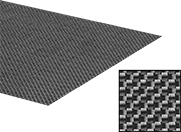 |
Plain Weave |
50" × 36" | ||||||||
|---|---|---|---|---|---|---|---|---|
Material | Color | Thk. | Fiber Tensile Stiffness, msi | For Use Outdoors | Each | |||
Plain Weave | ||||||||
| Kevlar Fabric | Yellow | 0.01" | 33 to 36 | No | 8468K45 | 000000 | ||
Additives and Reinforcements for Composites
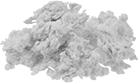 |
Kevlar Loose Fibers |
Mix these additives with melted plastic, epoxies, or adhesives to make parts stronger and more wear resistant without adding much weight. You can use them in batches to tackle repairs and small parts instead of machining your part from a sheet, bar, or other shape.
Kevlar for Thermoplastics—Choose these additives when your application is likely to wear down your finished part—they improve a part’s ability to stand up to corrosion, bangs, bumps, and scrapes. They’re also used to reinforce points where honeycomb cores connect to fabric. To start, mix in 1 part Kevlar to 15 parts composite.
