










Filter by


Maximum Temperature
Consistency


Hardness
For Use On
Hardness Rating
Thermal Conductivity
Material
Clarity



Performance
Container Size
Dielectric Strength
Touch Dry Time
Export Control Classification Number (ECCN)

DFARS Specialty Metals
Nonporous Ceramic Alumina Powder
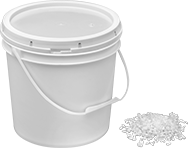 |
Ceramic alumina withstands higher temperatures than any other ceramic and is highly chemical resistant. This powder is high purity, so it’s inert even at high temperatures. Because alumina is ultra hard, it can be used in applications that require superior strength. It is also wear resistant, making it suitable for high-wear applications. Both thermally and electrically insulating, alumina can also be used in high-temperature and high-power electrical applications. Finished products made from alumina powder are nonporous, so they will seal out air and gas. Powder is often used in casting processes. Add it to slurries to create custom parts and tools such as crucibles, cutting tools, and laboratory ware. Alumina powder also is often used as a friction material, such as in brake linings.
Choose a particle size based on the application of your finished piece. Finer powders can be processed into finished pieces that will be harder, stronger, and more wear-resistant than those made with coarse grains. They may also have a finer finish. Parts made with coarse grain powders can be processed into pieces that are more porous and thermally shock-resistant than pieces made with finer grains. Mixing sizes can combine these properties.
99.3% Aluminum Oxide—99.3% aluminum oxide powder is slightly more reactive than 99.5% aluminum oxide powder because it’s less pure. It’s commonly used for polishing, lapping, and buffing.
99.5% Aluminum Oxide—99.5% aluminum oxide powder is more pure than 99.3% aluminum oxide, so it’s less reactive. It’s often used in the ceramic, glass, and foundry industries.
%20--%3e%3cg%3e%3cg%20id='Layer_1'%3e%3cpath%20class='cls-1'%20d='M68,27.2c-14.6,0-26.4,11.7-26.4,26.3,0,7,2.8,13.7,7.7,18.7v44.8l18.8-16.1,18.7,16.1v-44.9c10.3-10.3,10.3-27,0-37.3-5-4.9-11.7-7.7-18.7-7.7h0ZM81.3,105l-13.2-11.4-13.2,11.4v-28.7c8.2,4.8,18.3,4.8,26.5,0v28.7ZM76.2,70.8c-5.2,2.5-11.2,2.5-16.4,0-9.5-4.5-13.5-15.9-9-25.4,4.5-9.5,15.9-13.5,25.4-9,9.5,4.5,13.5,15.9,9,25.4-1.9,4-5.1,7.1-9,9Z'/%3e%3cpath%20class='cls-2'%20d='M5.8,95.5c-1.2,0-2.1-1-2.1-2.1,0,0,0,0,0,0V29.4h20.9c2.1,0,3.8-1.7,3.8-3.8V3.7c.2,0,.4,0,.5,0h37.5c1.2,0,2.1,1,2.1,2.1v18.6c1.2,0,2.5.1,3.7.3V5.8C72.2,2.6,69.6,0,66.4,0H28.9c-1.5,0-3,.6-4.1,1.7h-.1c0,.1-23,23.2-23,23.2-1.1,1.1-1.7,2.6-1.7,4.1v64.3c0,3.2,2.6,5.8,5.8,5.8h41.7v-3.7H5.8ZM24.7,7.1v18.7H6L24.7,7.1Z'/%3e%3c/g%3e%3c/g%3e%3c/svg%3e)
Certificates with a traceable lot number are available for these products. Download certificates from ORDER HISTORY after your order ships.
5 lb. Pail | 10 lb. Pail | 25 lb. Pail | |||||||||||||||||||||||||||||||||||||||||||||||||||||||||||||||||||||||||||||||||||||||||||||||||
|---|---|---|---|---|---|---|---|---|---|---|---|---|---|---|---|---|---|---|---|---|---|---|---|---|---|---|---|---|---|---|---|---|---|---|---|---|---|---|---|---|---|---|---|---|---|---|---|---|---|---|---|---|---|---|---|---|---|---|---|---|---|---|---|---|---|---|---|---|---|---|---|---|---|---|---|---|---|---|---|---|---|---|---|---|---|---|---|---|---|---|---|---|---|---|---|---|---|---|---|
Particle Size, μm | Particle Mesh Size | Fabrication | Color | Temp. Range, ° F | Each | Each | Each | ||||||||||||||||||||||||||||||||||||||||||||||||||||||||||||||||||||||||||||||||||||||||||||
99.3% Aluminum Oxide | |||||||||||||||||||||||||||||||||||||||||||||||||||||||||||||||||||||||||||||||||||||||||||||||||||
Fine Grit | |||||||||||||||||||||||||||||||||||||||||||||||||||||||||||||||||||||||||||||||||||||||||||||||||||
| 4 to 7 | — | Heat Treated | White | 0 to 3,630 | 5092N131 | 000000 | 5092N132 | 000000 | 5092N133 | 000000 | |||||||||||||||||||||||||||||||||||||||||||||||||||||||||||||||||||||||||||||||||||||||||
| 70 | — | Heat Treated | White | 0 to 3,630 | 5092N127 | 00000 | 5092N128 | 00000 | 5092N129 | 00000 | |||||||||||||||||||||||||||||||||||||||||||||||||||||||||||||||||||||||||||||||||||||||||
99.5% Aluminum Oxide | |||||||||||||||||||||||||||||||||||||||||||||||||||||||||||||||||||||||||||||||||||||||||||||||||||
Fine Grit | |||||||||||||||||||||||||||||||||||||||||||||||||||||||||||||||||||||||||||||||||||||||||||||||||||
| 45 | 325 | — | White | 0 to 3,630 | 5092N124 | 00000 | 5092N125 | 00000 | ——— | 0 | |||||||||||||||||||||||||||||||||||||||||||||||||||||||||||||||||||||||||||||||||||||||||
| 150 | 100 | — | White | 0 to 3,630 | 5092N121 | 00000 | 5092N122 | 00000 | ——— | 0 | |||||||||||||||||||||||||||||||||||||||||||||||||||||||||||||||||||||||||||||||||||||||||
Medium Grit | |||||||||||||||||||||||||||||||||||||||||||||||||||||||||||||||||||||||||||||||||||||||||||||||||||
| 300 | 48 | — | White | 0 to 3,630 | 5092N117 | 00000 | 5092N118 | 00000 | ——— | 0 | |||||||||||||||||||||||||||||||||||||||||||||||||||||||||||||||||||||||||||||||||||||||||
| 300 to 600 | 25-40 | — | White | 0 to 3,630 | 5092N114 | 00000 | 5092N115 | 00000 | ——— | 0 | |||||||||||||||||||||||||||||||||||||||||||||||||||||||||||||||||||||||||||||||||||||||||
Coarse Grit | |||||||||||||||||||||||||||||||||||||||||||||||||||||||||||||||||||||||||||||||||||||||||||||||||||
| 600 to 1,400 | 12-25 | — | White | 0 to 3,630 | 5092N111 | 00000 | 5092N112 | 00000 | ——— | 0 | |||||||||||||||||||||||||||||||||||||||||||||||||||||||||||||||||||||||||||||||||||||||||
Heat-Transfer Epoxy Potting Compounds
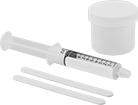
Jar and Syringe Potting Compounds—Extra Hard
 |
Dry Time | Temp. | ||||||||||||
|---|---|---|---|---|---|---|---|---|---|---|---|---|---|
Container Size, fl. oz. | Consistency | Touch | Overall, hr. | Dielectric Strength, V/mil | Thermal Conductivity, W/(m⋅°C) | Min. | Max., ° F | Heating Req. to Reach Full Strength | For Use On | Color | Each | ||
| 0.9 | Thick Liquid | 25 min. | 24 | 450 | 1.87 | Not Rated | 500 | 1 hr. @ 250°F Then 1 hr. @ 350°F | Aluminum, Brass, Bronze, Cast Iron, Copper, Iron, Steel, Stainless Steel, Silver, Titanium, Plastic, Composite, Ceramic, Glass | Black | 7563A55 | 000000 | |
| 1 | Gel | 4 hr. | 6 | Not Rated | 1.87 | Not Rated | 600 | 4 Hrs. @ 250°F Then 2 Hrs. @ 350°F | Aluminum, Brass, Bronze, Cast Iron, Copper, Iron, Steel, Stainless Steel, Silver, Titanium, Plastic, Composite, Ceramic, Glass | Black | 7563A57 | 00000 | |
| 1.5 | Thin Liquid | 30 min. | 26 | 450 | 0.21 | Not Rated | 500 | 1 hr. @ 250°F Then 1 hr. @ 350°F | Aluminum, Brass, Bronze, Cast Iron, Copper, Iron, Steel, Stainless Steel, Silver, Titanium, Plastic, Composite, Ceramic, Glass | Amber | 7563A52 | 00000 | |
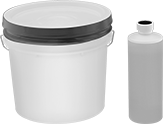
Pail and Bottle Potting Compounds—Extra Hard
 |
Dry Time | Temp. | |||||||||||
|---|---|---|---|---|---|---|---|---|---|---|---|---|
Container Size, gal. | Consistency | Touch, min. | Overall, hr. | Dielectric Strength, V/mil | Thermal Conductivity, W/(m⋅°C) | Min. | Max., ° F | For Use On | Color | Each | ||
| 1 | Thick Liquid | 25 | 24 | 450 | 1.87 | Not Rated | 500 | Steel, Ceramic, Glass | Black | 7563A26 | 0000000 | |
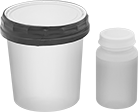
Jar and Bottle Potting Compounds—Extra Hard
 |
Dry Time | Temp. | ||||||||||||
|---|---|---|---|---|---|---|---|---|---|---|---|---|---|
Container Size, fl. oz. | Consistency | Touch | Overall, hr. | Dielectric Strength, V/mil | Thermal Conductivity, W/(m⋅°C) | Min. | Max., ° F | Heating Req. to Reach Full Strength | For Use On | Color | Each | ||
| 16 | Thin Liquid | 30 min. | 26 | 450 | 0.21 | Not Rated | 500 | 1 hr. @ 250°F Then 1 hr. @ 350°F | Aluminum, Brass, Bronze, Cast Iron, Copper, Iron, Steel, Stainless Steel, Silver, Titanium, Plastic, Composite, Ceramic, Glass | Amber | 7563A51 | 0000000 | |
| 19 | Thick Liquid | 25 min. | 24 | 450 | 1.87 | Not Rated | 500 | — | Steel, Ceramic, Glass | Black | 7563A24 | 000000 | |
| 20 | Gel | 4 hr. | 6 | Not Rated | 1.87 | Not Rated | 600 | 4 Hrs. @ 250°F Then 2 Hrs. @ 350°F | Steel, Ceramic, Glass | Black | 7563A27 | 000000 | |
Adjustable-Hardness Heat-Transfer Epoxy Potting Compounds
 | 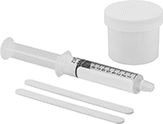 |
Jars | Jars and Syringes |
Mixing required—resin and hardener come in two separate jars or in a jar and syringe and must be combined before applying. Change the mix ratio of these heat-transfer potting compounds to achieve the right hardness for your application. They're formulated to draw heat away from sensitive electronic components, so they have higher thermal conductivity than standard potting compounds. Use them to encase electronic assemblies for protection from dust, chemicals, moisture, mechanical shock, and vibration. Rigid and wear resistant, epoxies are the strongest of the potting compounds. They have excellent chemical and moisture resistance, withstand a wide range of temperatures, and provide excellent electrical insulation.
The size listed is the combined total of the two parts.
Dry Time | |||||||||||||||||||||||||||||||||||||||||||||||||||||||||||||||||||||||||||||||||||||||||||||||||||
|---|---|---|---|---|---|---|---|---|---|---|---|---|---|---|---|---|---|---|---|---|---|---|---|---|---|---|---|---|---|---|---|---|---|---|---|---|---|---|---|---|---|---|---|---|---|---|---|---|---|---|---|---|---|---|---|---|---|---|---|---|---|---|---|---|---|---|---|---|---|---|---|---|---|---|---|---|---|---|---|---|---|---|---|---|---|---|---|---|---|---|---|---|---|---|---|---|---|---|---|
Container Size, fl. oz. | Consistency | Touch, min. | Overall, hr. | Hardness Rating | Dielectric Strength, V/mil | Thermal Conductivity, W/(m⋅°C) | Temp. Range, ° F | Heating Req. to Reach Full Strength | For Use On | Color | Each | ||||||||||||||||||||||||||||||||||||||||||||||||||||||||||||||||||||||||||||||||||||||||
Jars | |||||||||||||||||||||||||||||||||||||||||||||||||||||||||||||||||||||||||||||||||||||||||||||||||||
| 12 | Thick Liquid | 30 | 24 | Extra Hard, Medium Hard, Medium Soft, Soft | 450 | 1 | -100 to 450 | — | Aluminum, Brass, Bronze, Copper, Steel, Stainless Steel, Plastic, Ceramic, Glass | Tan | 6196T1 | 0000000 | |||||||||||||||||||||||||||||||||||||||||||||||||||||||||||||||||||||||||||||||||||||||
| 24 | Thick Liquid | 30 | 24 | Extra Hard, Medium Hard, Medium Soft, Soft | 450 | 1 | -100 to 450 | — | Aluminum, Brass, Bronze, Copper, Steel, Stainless Steel, Plastic, Ceramic, Glass | Tan | 6196T2 | 000000 | |||||||||||||||||||||||||||||||||||||||||||||||||||||||||||||||||||||||||||||||||||||||
Jars and Syringes | |||||||||||||||||||||||||||||||||||||||||||||||||||||||||||||||||||||||||||||||||||||||||||||||||||
| 1.6 | Thick Liquid | 30 | 26 | Extra Hard, Medium Hard, Medium Soft, Soft | 450 | 1.01 | -100 to 450 | 2 Hrs. @ 250°F | Aluminum, Brass, Bronze, Copper, Steel, Stainless Steel, Plastic, Ceramic, Glass | Tan | 6196T3 | 00000 | |||||||||||||||||||||||||||||||||||||||||||||||||||||||||||||||||||||||||||||||||||||||
Reusable Silicone Rubber Potting Compounds
 | 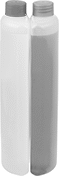 |  |
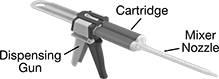
Bottle Potting Compounds | Cartridge Potting Compounds |
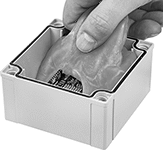
Make repairs or changes to electrical components after they’ve been potted. While most compounds are permanent, these form a gel that bonds to itself, so you can peel it off without damaging your equipment. Often used in junction boxes, they form a water- and dust-proof seal that’s rated IP68 while also providing excellent electrical insulation. Made of silicone rubber, they withstand a wide range of temperatures and are soft and flexible enough to resist shock and vibration. However, they’re not as strong as permanent potting compounds, so they don’t resist scrapes as well as those made of epoxy and urethane. They’re also not as chemical resistant as epoxy and urethane compounds.
These compounds won’t solidify once you open the container, so you have time to make adjustments when applying them. When removing them from your components, they mostly come off in one piece but there might be some residue left over.
Bottle Potting Compounds—Bottle compounds are a better choice for filling up new enclosures than cartridge compounds because you can pour more in at a time. They have a compartment for each component and require mixing.
Cartridge Potting Compounds—Cartridge compounds have a nozzle for precise application. The nozzle can also fit into junction box knockouts, so it’s easier to fill up installed enclosures than it is with bottle compounds. They come ready to use with no mixing required and no waiting time.
Dry Time, min. | |||||||||||||||||||||||||||||||||||||||||||||||||||||||||||||||||||||||||||||||||||||||||||||||||||
|---|---|---|---|---|---|---|---|---|---|---|---|---|---|---|---|---|---|---|---|---|---|---|---|---|---|---|---|---|---|---|---|---|---|---|---|---|---|---|---|---|---|---|---|---|---|---|---|---|---|---|---|---|---|---|---|---|---|---|---|---|---|---|---|---|---|---|---|---|---|---|---|---|---|---|---|---|---|---|---|---|---|---|---|---|---|---|---|---|---|---|---|---|---|---|---|---|---|---|---|
Container Size, fl. oz. | Consistency | Touch | Overall | Mix Ratio | Dielectric Strength, V/mil | Thermal Conductivity, W/(m⋅°C) | Temp. Range, ° F | Enclosure Rating | Environment | For Use On | Color | Clarity | Each | ||||||||||||||||||||||||||||||||||||||||||||||||||||||||||||||||||||||||||||||||||||||
Bottle Potting Compounds | |||||||||||||||||||||||||||||||||||||||||||||||||||||||||||||||||||||||||||||||||||||||||||||||||||
| 8.4 | Gel | 15 | 15 | 1:1 | 500 | 0.2 | -75 to 390 | IP68 | Dusty, Submersible | Aluminum, Brass, Bronze, Copper, Steel, Stainless Steel, Titanium, Plastic, Rubber, Composite, Fiberglass, Ceramic, Glass | Blue | Semi-Clear | 6355N11 | 000000 | |||||||||||||||||||||||||||||||||||||||||||||||||||||||||||||||||||||||||||||||||||||
| 33.8 | Gel | 15 | 15 | 1:1 | 500 | 0.2 | -75 to 390 | IP68 | Dusty, Submersible | Aluminum, Brass, Bronze, Copper, Steel, Stainless Steel, Titanium, Plastic, Rubber, Composite, Fiberglass, Ceramic, Glass | Blue | Semi-Clear | 6355N12 | 00000 | |||||||||||||||||||||||||||||||||||||||||||||||||||||||||||||||||||||||||||||||||||||
Cartridge Potting Compounds | |||||||||||||||||||||||||||||||||||||||||||||||||||||||||||||||||||||||||||||||||||||||||||||||||||
| 9.4 | Gel | — | — | — | 500 | 0.2 | -75 to 390 | IP68 | Dusty, Submersible | Aluminum, Brass, Bronze, Copper, Steel, Stainless Steel, Titanium, Plastic, Rubber, Composite, Fiberglass, Ceramic, Glass | Clear | Clear | 6355N13 | 00000 | |||||||||||||||||||||||||||||||||||||||||||||||||||||||||||||||||||||||||||||||||||||
Ready-to-Use Silicone Rubber Potting Compounds
 | |
Tube | Cartridge |
No mixing required—these potting compounds come ready to apply. Use them to encase electronic assemblies for protection from dust, moisture, mechanical shock, and vibration. Softer and more flexible than epoxies and urethanes with the widest temperature range, silicone rubber potting compounds are the best choice for high-temperature applications and electronics exposed to thermal cycling. They have good moisture resistance but poor chemical and abrasion resistance. Silicones provide excellent electrical insulation. They're also known as RTV (room-temperature vulcanizing) compounds because they don’t need heat or UV light to cure.
Cannot Be Sold to California—Potting compounds that cannot be sold to California exceed local regulatory limits on VOCs (volatile organic compounds).
Cannot Be Sold to Canada—Potting compounds that cannot be sold to Canada are restricted by product labeling requirements.
Container | Dry Time | ||||||||||||||||||||||||||||||||||||||||||||||||||||||||||||||||||||||||||||||||||||||||||||||||||
|---|---|---|---|---|---|---|---|---|---|---|---|---|---|---|---|---|---|---|---|---|---|---|---|---|---|---|---|---|---|---|---|---|---|---|---|---|---|---|---|---|---|---|---|---|---|---|---|---|---|---|---|---|---|---|---|---|---|---|---|---|---|---|---|---|---|---|---|---|---|---|---|---|---|---|---|---|---|---|---|---|---|---|---|---|---|---|---|---|---|---|---|---|---|---|---|---|---|---|---|
Mfr. Model No. | Size, fl. oz. | Type | Consistency | Touch | Overall, hr. | Dielectric Strength, V/mil | Thermal Conductivity, W/(m⋅°C) | Temp. Range, ° F | Certification | Mil. Spec. | Flammability Rating | For Use On | Color | Clarity | Cannot Be Sold To | Each | |||||||||||||||||||||||||||||||||||||||||||||||||||||||||||||||||||||||||||||||||||
Dow Potting Compounds—Soft | |||||||||||||||||||||||||||||||||||||||||||||||||||||||||||||||||||||||||||||||||||||||||||||||||||
| 838 | 3 | Tube | Paste | 45 min. | 24 | Not Rated | Not Rated | -45 to 390 | UL Listed, UL Recognized Component | — | UL 94 HB | Aluminum, Brass, Bronze, Copper, Steel, Stainless Steel, Titanium, Plastic, Rubber, Composite, Fiberglass, Ceramic, Glass | White | Opaque | — | 1832A31 | 000000 | ||||||||||||||||||||||||||||||||||||||||||||||||||||||||||||||||||||||||||||||||||
| 839 | 10.3 | Cartridge | Paste | 35 min. | 24 | Not Rated | Not Rated | -45 to 390 | — | — | — | Aluminum, Brass, Bronze, Copper, Steel, Stainless Steel, Titanium, Plastic, Rubber, Composite, Fiberglass, Ceramic, Glass | Blue | Semi-Clear | — | 1832A61 | 00000 | ||||||||||||||||||||||||||||||||||||||||||||||||||||||||||||||||||||||||||||||||||
Loctite® Potting Compounds—Soft | |||||||||||||||||||||||||||||||||||||||||||||||||||||||||||||||||||||||||||||||||||||||||||||||||||
| 5145 | 3 | Tube | Thick Liquid | 2 min. | 72 | 450 | 0.2 | -45 to 390 | Mil. Spec. | MIL-A-46146 | — | Aluminum, Brass, Bronze, Copper, Steel, Stainless Steel, Plastic, Ceramic, Glass | White | Semi-Clear | — | 1832A42 | 00000 | ||||||||||||||||||||||||||||||||||||||||||||||||||||||||||||||||||||||||||||||||||
| 5145 | 10.1 | Cartridge | Thick Liquid | 2 min. | 72 | 450 | 0.2 | -45 to 390 | Mil. Spec. | MIL-A-46146 | — | Aluminum, Brass, Bronze, Copper, Steel, Stainless Steel, Plastic, Ceramic, Glass | White | Semi-Clear | — | 1832A43 | 000000 | ||||||||||||||||||||||||||||||||||||||||||||||||||||||||||||||||||||||||||||||||||
Momentive Potting Compounds—Soft | |||||||||||||||||||||||||||||||||||||||||||||||||||||||||||||||||||||||||||||||||||||||||||||||||||
| RTV162 | 2.8 | Tube | Paste | 4 hr. | 48 | 450 | 0.2 | -75 to 400 | UL Recognized Component, Mil. Spec. | MIL-A-46146 | — | Aluminum, Brass, Bronze, Copper, Steel, Stainless Steel, Plastic, Rubber, Ceramic, Glass | White | Opaque | California | 74935A45 | 00000 | ||||||||||||||||||||||||||||||||||||||||||||||||||||||||||||||||||||||||||||||||||
| RTV162 | 10.1 | Cartridge | Paste | 4 hr. | 48 | 450 | 0.2 | -75 to 400 | UL Recognized Component, Mil. Spec. | MIL-A-46146 | — | Aluminum, Brass, Bronze, Copper, Steel, Stainless Steel, Plastic, Rubber, Ceramic, Glass | White | Opaque | California | 74935A47 | 00000 | ||||||||||||||||||||||||||||||||||||||||||||||||||||||||||||||||||||||||||||||||||
Compounds—Soft | |||||||||||||||||||||||||||||||||||||||||||||||||||||||||||||||||||||||||||||||||||||||||||||||||||
| — | 3 | Tube | Paste | 15 min. | 24 | 425 | 0.06 | -75 to 400 | — | — | UL 94 HB | Aluminum, Brass, Bronze, Copper, Steel, Stainless Steel, Plastic, Ceramic, Glass | Clear | Clear | Canada | 1832A111 | 00000 | ||||||||||||||||||||||||||||||||||||||||||||||||||||||||||||||||||||||||||||||||||
Epoxy Potting Compounds
Loctite® Potting Compounds—Extra Hard
 | 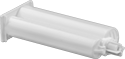 |
Model Number ES1001 and Model Number ES2500—Loctite® ES1001™, ES1902™, and ES2500™ come with a mixer nozzle.
Dry Time | |||||||||||||
|---|---|---|---|---|---|---|---|---|---|---|---|---|---|
Mfr. Model No. | Container Size, fl. oz. | Consistency | Touch, min. | Overall, hr. | Dielectric Strength, V/mil | Thermal Conductivity, W/(m⋅°C) | Temp. Range, ° F | Flammability Rating | For Use On | Color | Each | ||
| ES1001 | 1.7 | Thick Liquid | 60 | 24 | 1,100 | 0.29 | -10 to 220 | — | Aluminum, Brass, Bronze, Copper, Steel, Stainless Steel, Plastic, Ceramic, Glass | Black | 7369A12 | 000000 | |
| ES2500 | 1.7 | Thin Liquid | 10 | 16 | 410 | 0.28 | -40 to 220 | UL 94 HB | Aluminum, Brass, Bronze, Copper, Steel, Stainless Steel, Plastic, Ceramic, Glass | Black | 7369A16 | 00000 | |
Potting Compounds—Extra Hard
| |
Cannot Be Sold to Canada—Compounds that cannot be sold to Canada are restricted by product labeling requirements.
Dry Time | ||||||||||||
|---|---|---|---|---|---|---|---|---|---|---|---|---|
Container Size, fl. oz. | Consistency | Touch, min. | Overall, hr. | Dielectric Strength, V/mil | Thermal Conductivity, W/(m⋅°C) | Temp. Range, ° F | For Use On | Color | Cannot Be Sold To | Each | ||
| 1.69 | Thick Liquid | 45 | 24 | 400 | 0.3 | -40 to 300 | Aluminum, Brass, Bronze, Copper, Steel, Stainless Steel, Silver, Plastic, Rubber, Composite, Fiberglass, Ceramic, Glass | Black | Canada | 6099N12 | 000000 | |
Two-Part Silicone Rubber Potting Compounds
Cartridges
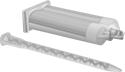 |
Cartridge potting compounds require a gun (sold separately) to dispense; use them with the included mixer nozzle.
Dry Time | |||||||||||||||||||||||||||||||||||||||||||||||||||||||||||||||||||||||||||||||||||||||||||||||||||
|---|---|---|---|---|---|---|---|---|---|---|---|---|---|---|---|---|---|---|---|---|---|---|---|---|---|---|---|---|---|---|---|---|---|---|---|---|---|---|---|---|---|---|---|---|---|---|---|---|---|---|---|---|---|---|---|---|---|---|---|---|---|---|---|---|---|---|---|---|---|---|---|---|---|---|---|---|---|---|---|---|---|---|---|---|---|---|---|---|---|---|---|---|---|---|---|---|---|---|---|
Container Size, fl. oz. | Consistency | Touch, min. | Overall, hr. | Dielectric Strength | Thermal Conductivity, W/(m⋅°C) | Temp. Range, ° F | For Use On | Color | Each | ||||||||||||||||||||||||||||||||||||||||||||||||||||||||||||||||||||||||||||||||||||||||||
Medium Soft | |||||||||||||||||||||||||||||||||||||||||||||||||||||||||||||||||||||||||||||||||||||||||||||||||||
| 1.7 | Thick Liquid | 25 | 48 | Not Rated | 0.18 | -55 to 390 | Aluminum, Brass, Bronze, Copper, Steel, Stainless Steel, Plastic, Ceramic, Glass | Clear | 74965A22 | 000000 | |||||||||||||||||||||||||||||||||||||||||||||||||||||||||||||||||||||||||||||||||||||||||
High-Temperature Epoxy Potting Compounds
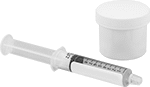 |
Jar and Syringe |
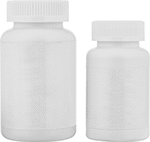 |
Bottle |
Protect circuit boards and other electronics where high heat is a concern but you don’t need to transfer that heat elsewhere. These compounds are a good middle ground between standard epoxy compounds and heat-transfer compounds. They work at temperatures twice as high as standard epoxy compounds. However, they don't conduct heat as well as heat-transfer compounds so they're not the best choice for circuit boards that run for long periods of time. Harden these compounds at room temperature—they don’t require an oven to harden like heat-transfer compounds do.
Since they’re an epoxy compound, they won’t break down from chemicals or moisture. They’re also excellent electrical insulators and withstand a wide range of temperatures. Use them to shield components from dust, moisture, chemicals, mechanical shock, and vibration.
Jar and Syringe—Jar and syringe compounds are the consistency of honey once they’re mixed, so they’ll seep into the crevices of a circuit board and encapsulate intricate components. Use the syringe for precise application.
Bottle—Bottle compounds are easier to apply in higher volumes than jar and syringe compounds. Mix them together and pour them over components inside containers, such as a potting box. If air bubbles occur after mixing, you can put the mixture in a vacuum chamber to remove them.
Cannot Be Sold to Canada—Some compounds cannot be sold to Canada due to product labeling requirements.
Dry Time | |||||||||||||||||||||||||||||||||||||||||||||||||||||||||||||||||||||||||||||||||||||||||||||||||||
|---|---|---|---|---|---|---|---|---|---|---|---|---|---|---|---|---|---|---|---|---|---|---|---|---|---|---|---|---|---|---|---|---|---|---|---|---|---|---|---|---|---|---|---|---|---|---|---|---|---|---|---|---|---|---|---|---|---|---|---|---|---|---|---|---|---|---|---|---|---|---|---|---|---|---|---|---|---|---|---|---|---|---|---|---|---|---|---|---|---|---|---|---|---|---|---|---|---|---|---|
Container Size, fl. oz. | Consistency | Viscosity, cP | Touch | Overall, hr. | Dielectric Strength, V/mil | Thermal Conductivity, W/(m⋅°C) | Max. Temp., ° F | For Use On | Cannot Be Sold To | Each | |||||||||||||||||||||||||||||||||||||||||||||||||||||||||||||||||||||||||||||||||||||||||
Jar and Syringe Potting Compounds—Extra Hard | |||||||||||||||||||||||||||||||||||||||||||||||||||||||||||||||||||||||||||||||||||||||||||||||||||
| 1 | Thick Liquid | 3,600 | 12 hr. | 24 | 450 | 0.22 | 500 | Aluminum, Brass, Bronze, Copper, Steel, Stainless Steel, Plastic, Rubber, Composite, Fiberglass, Ceramic, Glass | — | 5996N11 | 000000 | ||||||||||||||||||||||||||||||||||||||||||||||||||||||||||||||||||||||||||||||||||||||||
Bottle Potting Compounds—Extra Hard | |||||||||||||||||||||||||||||||||||||||||||||||||||||||||||||||||||||||||||||||||||||||||||||||||||
| 12.6 | Paste | 22,000 | 60 min. | 24 | 470 | 0.3 | 435 | Aluminum, Brass, Bronze, Copper, Steel, Stainless Steel, Plastic, Rubber, Composite, Fiberglass, Ceramic, Glass | Canada | 5996N12 | 00000 | ||||||||||||||||||||||||||||||||||||||||||||||||||||||||||||||||||||||||||||||||||||||||
Urethane Potting Compounds
Cartridge
|
Cartridge potting compounds can be applied precisely through the included mixer nozzle. You’ll need a dispensing gun (sold separately).
Model Number US2350—US2350™ also require a 4:1 plunger (sold separately) to dispense.
Dry Time | |||||||||||||||||||||||||||||||||||||||||||||||||||||||||||||||||||||||||||||||||||||||||||||||||||
|---|---|---|---|---|---|---|---|---|---|---|---|---|---|---|---|---|---|---|---|---|---|---|---|---|---|---|---|---|---|---|---|---|---|---|---|---|---|---|---|---|---|---|---|---|---|---|---|---|---|---|---|---|---|---|---|---|---|---|---|---|---|---|---|---|---|---|---|---|---|---|---|---|---|---|---|---|---|---|---|---|---|---|---|---|---|---|---|---|---|---|---|---|---|---|---|---|---|---|---|
Mfr. Model No. | Container Size, fl. oz. | Consistency | Touch, min. | Overall, hr. | Dielectric Strength, V/mil | Thermal Conductivity, W/(m⋅°C) | Temp. Range, ° F | For Use On | Color | Each | |||||||||||||||||||||||||||||||||||||||||||||||||||||||||||||||||||||||||||||||||||||||||
Loctite® Potting Compounds—Medium Hard | |||||||||||||||||||||||||||||||||||||||||||||||||||||||||||||||||||||||||||||||||||||||||||||||||||
| US2350 | 1.69 | Thick Liquid | 90 | 24 | 950 | 0.51 | -40 to 250 | Aluminum, Brass, Bronze, Copper, Steel, Stainless Steel, Polycarbonate, Polyurethane Rubber, Ceramic, Glass, ABS, Garolite, Polyimide, PVC | Black | 7369A42 | 000000 | ||||||||||||||||||||||||||||||||||||||||||||||||||||||||||||||||||||||||||||||||||||||||
Loctite® Potting Compounds—Soft | |||||||||||||||||||||||||||||||||||||||||||||||||||||||||||||||||||||||||||||||||||||||||||||||||||
| US2651 | 6.76 | Thin Liquid | 10 | 16 | 1,050 | Not Rated | -85 to 250 | Aluminum, Brass, Bronze, Copper, Steel, Stainless Steel, Polycarbonate, Polyurethane Rubber, Ceramic, Glass, ABS, Garolite, Polyimide, PVC | Amber | 7369A46 | 00000 | ||||||||||||||||||||||||||||||||||||||||||||||||||||||||||||||||||||||||||||||||||||||||
Bottle
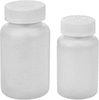 |
Bottle potting compounds are easier to apply in high volumes than cartridge potting compounds. Mix the compounds together and pour them over components inside potting boxes and other containers. If mixing introduces any air bubbles, put the mixture in a vacuum chamber.
Cannot Be Sold To—Compounds that cannot be sold to the listed areas are restricted by product labeling requirements.
Dry Time | |||||||||||||||||||||||||||||||||||||||||||||||||||||||||||||||||||||||||||||||||||||||||||||||||||
|---|---|---|---|---|---|---|---|---|---|---|---|---|---|---|---|---|---|---|---|---|---|---|---|---|---|---|---|---|---|---|---|---|---|---|---|---|---|---|---|---|---|---|---|---|---|---|---|---|---|---|---|---|---|---|---|---|---|---|---|---|---|---|---|---|---|---|---|---|---|---|---|---|---|---|---|---|---|---|---|---|---|---|---|---|---|---|---|---|---|---|---|---|---|---|---|---|---|---|---|
Container Size, fl. oz. | Consistency | Touch, min. | Overall, hr. | Dielectric Strength, V/mil | Thermal Conductivity, W/(m⋅°C) | Temp. Range, ° F | For Use On | Color | Cannot Be Sold To | Each | |||||||||||||||||||||||||||||||||||||||||||||||||||||||||||||||||||||||||||||||||||||||||
Potting Compounds—Extra Hard | |||||||||||||||||||||||||||||||||||||||||||||||||||||||||||||||||||||||||||||||||||||||||||||||||||
| 12.6 | Thin Liquid | 45 | 24 | 400 | 0.3 | -55 to 245 | Aluminum, Brass, Bronze, Copper, Steel, Stainless Steel, Polycarbonate, Polyurethane Rubber, Ceramic, Glass, ABS, Garolite, Polyimide, PVC | Black | Canada | 7369A111 | 000000 | ||||||||||||||||||||||||||||||||||||||||||||||||||||||||||||||||||||||||||||||||||||||||
Flexible Epoxy Potting Compounds
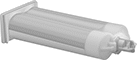 |
Combine the flexibility of silicone with the durability of standard epoxy—these compounds are great for protecting sensitive electronics that need to flex or expand and contract. Because they’re an epoxy, they still have excellent moisture, chemical, and abrasion resistance. They withstand a wide range of temperatures, and this formulation won’t crack or split as components heat up and cool down. These compounds are excellent electrical insulators, and they’ll shield your components from moisture and dust. You can also use them as an adhesive since they’re also tacky.
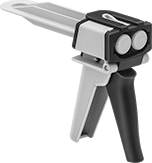
They come in a cartridge, so you can apply them precisely. To dispense, they require a mixer nozzle and gun (both sold separately).
Dry Time, hr. | |||||||||||||||||||||||||||||||||||||||||||||||||||||||||||||||||||||||||||||||||||||||||||||||||||
|---|---|---|---|---|---|---|---|---|---|---|---|---|---|---|---|---|---|---|---|---|---|---|---|---|---|---|---|---|---|---|---|---|---|---|---|---|---|---|---|---|---|---|---|---|---|---|---|---|---|---|---|---|---|---|---|---|---|---|---|---|---|---|---|---|---|---|---|---|---|---|---|---|---|---|---|---|---|---|---|---|---|---|---|---|---|---|---|---|---|---|---|---|---|---|---|---|---|---|---|
Container Size, fl. oz. | Consistency | Touch | Overall | Mixer Nozzle Included | Mix Ratio | Dielectric Strength | Thermal Conductivity | Temp. Range, ° F | For Use On | Each | |||||||||||||||||||||||||||||||||||||||||||||||||||||||||||||||||||||||||||||||||||||||||
Cartridge Potting Compounds—Soft | |||||||||||||||||||||||||||||||||||||||||||||||||||||||||||||||||||||||||||||||||||||||||||||||||||
| 1.69 | Thick Liquid | 24 | 72 | No | 1:1 | Not Rated | Not Rated | -85 to 275 | Aluminum, Brass, Bronze, Copper, Steel, Stainless Steel, Titanium, Plastic, Rubber, Composite, Fiberglass, Ceramic, Glass | 5906N11 | 000000 | ||||||||||||||||||||||||||||||||||||||||||||||||||||||||||||||||||||||||||||||||||||||||

Light-Activated Urethane Potting Compounds
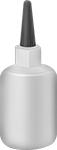 |
In just 20 seconds under a UV light, these urethane compounds form into a strong protective layer on electrical components. They withstand a wide range of temperatures and are good electrical insulators. They also stop chemicals, moisture, and dust from damaging your device. With excellent flexibility, they protect against vibration and impact. Since they also work as an adhesive, you can use them to bond and insulate components such as electrical connectors and thermal switches. No mixing required.
Dry Time, sec. | |||||||||||||||||||||||||||||||||||||||||||||||||||||||||||||||||||||||||||||||||||||||||||||||||||
|---|---|---|---|---|---|---|---|---|---|---|---|---|---|---|---|---|---|---|---|---|---|---|---|---|---|---|---|---|---|---|---|---|---|---|---|---|---|---|---|---|---|---|---|---|---|---|---|---|---|---|---|---|---|---|---|---|---|---|---|---|---|---|---|---|---|---|---|---|---|---|---|---|---|---|---|---|---|---|---|---|---|---|---|---|---|---|---|---|---|---|---|---|---|---|---|---|---|---|---|
Container Size, fl. oz. | Consistency | Touch | Overall | Light Intensity Req. to Reach Full Strength | Cure Type | Dielectric Strength, V/mil | Thermal Conductivity | Temp. Range, ° F | For Use On | Color | Clarity | Each | |||||||||||||||||||||||||||||||||||||||||||||||||||||||||||||||||||||||||||||||||||||||
Bottle Potting Compounds—Extra Hard | |||||||||||||||||||||||||||||||||||||||||||||||||||||||||||||||||||||||||||||||||||||||||||||||||||
| 1.69 | Thin Liquid | 20 | 20 | 20 sec. @ 100 mW/cm² | UV Light | 1,800 | Not Rated | -40 to 250 | Aluminum, Brass, Bronze, Copper, Steel, Stainless Steel, Polycarbonate, Plastic, Ceramic, Glass, ABS, Garolite, Polyimide, PVC | Clear | Clear | 6612N11 | 000000 | ||||||||||||||||||||||||||||||||||||||||||||||||||||||||||||||||||||||||||||||||||||||
Urethane Potting Compounds for Harsh Environments
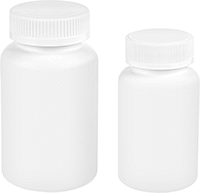 |
From shore to sea floor, these potting compounds are formulated for permanent submersion in water—even salt water. Use them to protect circuits and splices in pumps, underwater lighting, and other underwater electronics from corrosion and chemicals. Made of urethane, they withstand a wide range of temperatures, especially cold underwater conditions. They provide good electrical insulation and have excellent flexibility. Since they’re more flexible than epoxy compounds, they’re often used to protect against vibration and impact.
Mix the two parts of these compounds together and pour them over components inside a potting box or other container. If mixing causes air bubbles, put the mixture in a vacuum chamber to remove them.
Dry Time | |||||||||||||||||||||||||||||||||||||||||||||||||||||||||||||||||||||||||||||||||||||||||||||||||||
|---|---|---|---|---|---|---|---|---|---|---|---|---|---|---|---|---|---|---|---|---|---|---|---|---|---|---|---|---|---|---|---|---|---|---|---|---|---|---|---|---|---|---|---|---|---|---|---|---|---|---|---|---|---|---|---|---|---|---|---|---|---|---|---|---|---|---|---|---|---|---|---|---|---|---|---|---|---|---|---|---|---|---|---|---|---|---|---|---|---|---|---|---|---|---|---|---|---|---|---|
Container Size, fl. oz. | Consistency | Touch, min. | Overall, hr. | Mix Ratio | Dielectric Strength, V/mil | Thermal Conductivity, W/(m⋅°C) | Temp. Range, ° F | Environment | For Use On | Color | Clarity | Cannot Be Sold To | Each | ||||||||||||||||||||||||||||||||||||||||||||||||||||||||||||||||||||||||||||||||||||||
Bottle Potting Compounds—Hard | |||||||||||||||||||||||||||||||||||||||||||||||||||||||||||||||||||||||||||||||||||||||||||||||||||
| 12.6 | Thin Liquid | 10 | 24 | 2:1 | 370 | 0.3 | -55 to 245 | Corrosive, Harsh, Submersible | Aluminum, Brass, Bronze, Copper, Steel, Stainless Steel, Polycarbonate, Polyurethane Rubber, Ceramic, Glass, ABS, Garolite, Polyimide, PVC | Black | Opaque | Canada | 6094N11 | 000000 | |||||||||||||||||||||||||||||||||||||||||||||||||||||||||||||||||||||||||||||||||||||
Flame-Retardant Epoxy Potting Compounds
 | 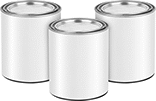 |
Cartridge | Can |
Protect circuit boards and other electronics from fire and heat. These self-extinguishing compounds meet UL 94V-0 for flame retardance and withstand temperatures up to nearly 400° F. Use them to shield components from dust, moisture, chemicals, mechanical shock, and vibration. Since they’re epoxies, they won’t break down from chemicals or moisture. They’re also excellent electrical insulators. These compounds have the consistency of honey once they’re mixed, so they seep into crevices to encase intricate components.
Cartridge—Cartridge compounds dispense through a mixer nozzle for precise application. Use them with a dispensing gun.
Can—Can compounds are easier to apply in high volumes than cartridge compounds. Mix them together and pour them over components inside containers, such as a potting box. If you see air bubbles after mixing, put the mixture in a vacuum chamber to remove them.
Cannot Be Sold to Canada—These compounds cannot be sold to Canada.
Dry Time, hr. | |||||||||||||||||||||||||||||||||||||||||||||||||||||||||||||||||||||||||||||||||||||||||||||||||||
|---|---|---|---|---|---|---|---|---|---|---|---|---|---|---|---|---|---|---|---|---|---|---|---|---|---|---|---|---|---|---|---|---|---|---|---|---|---|---|---|---|---|---|---|---|---|---|---|---|---|---|---|---|---|---|---|---|---|---|---|---|---|---|---|---|---|---|---|---|---|---|---|---|---|---|---|---|---|---|---|---|---|---|---|---|---|---|---|---|---|---|---|---|---|---|---|---|---|---|---|
Container Size | Consistency | Touch | Overall | Mixer Nozzle Included | Mix Ratio | Dielectric Strength, V/mil | Thermal Conductivity, W/(m⋅°C) | Temp. Range, ° F | Flammability Rating | For Use On | Cannot Be Sold To | Each | |||||||||||||||||||||||||||||||||||||||||||||||||||||||||||||||||||||||||||||||||||||||
Cartridge Potting Compounds—Extra Hard | |||||||||||||||||||||||||||||||||||||||||||||||||||||||||||||||||||||||||||||||||||||||||||||||||||
| 15.2 fl. oz. | Thick Liquid | 2 | 48 | Yes | 2:1 | 395 | 0.5 | -110 to 390 | UL 94 V-0 | Aluminum, Brass, Bronze, Copper, Steel, Stainless Steel, Silver, Plastic, Rubber, Composite, Fiberglass, Ceramic, Glass | Canada | 6184N11 | 000000 | ||||||||||||||||||||||||||||||||||||||||||||||||||||||||||||||||||||||||||||||||||||||
Can Potting Compounds—Extra Hard | |||||||||||||||||||||||||||||||||||||||||||||||||||||||||||||||||||||||||||||||||||||||||||||||||||
| 3 qt. | Thick Liquid | 2 | 48 | — | 2:1 | 395 | 0.5 | -110 to 390 | UL 94 V-0 | Aluminum, Brass, Bronze, Copper, Steel, Stainless Steel, Silver, Plastic, Rubber, Composite, Fiberglass, Ceramic, Glass | Canada | 6184N12 | 000000 | ||||||||||||||||||||||||||||||||||||||||||||||||||||||||||||||||||||||||||||||||||||||
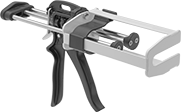 |
For 6.76, 13.5, 15.2, and 20.29 fl. oz. Cartridge Sizes |
For Cartridge Size, fl. oz. | Includes | Each | ||
|---|---|---|---|---|
| 15.2, 20.29 | Built-In Plunger for 1:1 and 2:1 Mix Ratios | 6401N11 | 0000000 |
Optically Clear Epoxy Potting Compounds
| |
Cartridge Loctite® | Cartridge |
Clear enough to read through, these UV-resistant potting compounds allow optimal light transmission for use with LEDs, solar cells, and fiber optics. Use them to encase electronic assemblies for protection from dust, chemicals, moisture, mechanical shock, and vibration. Rigid and wear resistant, epoxies are the strongest of the potting compounds. They have excellent chemical and moisture resistance, withstand a wide range of temperatures, and provide excellent electrical insulation. All require a mixer nozzle and gun to dispense.
Model Number ES1901—Loctite® ES1901™ comes with a mixer nozzle.
Dry Time | |||||||||||||||||||||||||||||||||||||||||||||||||||||||||||||||||||||||||||||||||||||||||||||||||||
|---|---|---|---|---|---|---|---|---|---|---|---|---|---|---|---|---|---|---|---|---|---|---|---|---|---|---|---|---|---|---|---|---|---|---|---|---|---|---|---|---|---|---|---|---|---|---|---|---|---|---|---|---|---|---|---|---|---|---|---|---|---|---|---|---|---|---|---|---|---|---|---|---|---|---|---|---|---|---|---|---|---|---|---|---|---|---|---|---|---|---|---|---|---|---|---|---|---|---|---|
Mfr. Model No. | Container Size, fl. oz. | Consistency | Touch, min. | Overall, hr. | Mixer Nozzle Included | Mix Ratio | Dielectric Strength, V/mil | Thermal Conductivity, W/(m⋅°C) | Temp. Range, ° F | For Use On | Color | Clarity | Each | ||||||||||||||||||||||||||||||||||||||||||||||||||||||||||||||||||||||||||||||||||||||
Loctite® Cartridge Potting Compounds—Extra Hard | |||||||||||||||||||||||||||||||||||||||||||||||||||||||||||||||||||||||||||||||||||||||||||||||||||
| ES1901 | 1.7 | Thick Liquid | 3 | 24 | Yes | 1:1 | 400 | Not Rated | -40 to 220 | Aluminum, Brass, Bronze, Copper, Steel, Stainless Steel, Plastic, Ceramic, Glass | Clear | Clear | 7369A14 | 000000 | |||||||||||||||||||||||||||||||||||||||||||||||||||||||||||||||||||||||||||||||||||||
Cartridge Potting Compounds—Extra Hard | |||||||||||||||||||||||||||||||||||||||||||||||||||||||||||||||||||||||||||||||||||||||||||||||||||
| — | 1.7 | Thick Liquid | 40 | 24 | No | 1:1 | 500 | 0.24 | -65 to 275 | Aluminum, Brass, Bronze, Cast Iron, Copper, Iron, Steel, Stainless Steel, Silver, Plastic, Rubber, Composite, Fiberglass, Ceramic, Glass | Amber | Clear | 7369A37 | 00000 | |||||||||||||||||||||||||||||||||||||||||||||||||||||||||||||||||||||||||||||||||||||
