We will reply to your message within an hour.
Identify hazards at a glance with the headers and illustrations on these labels.
Add these symbols to an existing label or use alone to communicate hazards at a glance.
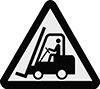
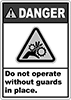
Communicate dangers near equipment that could cause injury.
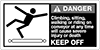
Remind people working near conveyors about hazards and unsafe practices that can cause injuries. These labels meet CEMA Brochure No. 201 standards. They also have colors and headers that meet OSHA/ANSI standards for indicating hazards.
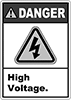
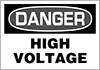
The headers and illustrations on these labels help workers identify electrical hazards at a glance.
Notify workers of electrical hazards such as high-voltage equipment and requirements for personal protection.
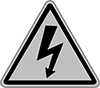
Add electrical hazard symbols to an existing label or use alone to communicate hazards at a glance.
Indicate voltage and identify power lines, conduit, fuse boxes, switches, and other electrical equipment.
Stick these symbols to terminals to show the location of grounded wires.
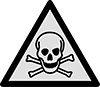
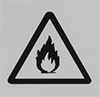
Add symbols to an existing label or use them alone to communicate the presence of hazardous materials.
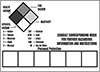
A reference chart explains the NFPA (National Fire Protection Association) color and number designations for hazards. Provide the appropriate code number using the NFPA diamond.
Provide appropriate code numbers for hazards with these NFPA (National Fire Protection Association) labels.
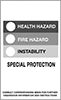
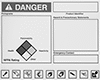
The color stripes and reference chart identify the type of hazard. Write in the appropriate code numbers and list required personal protective equipment.
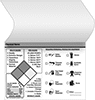
Fill out these labels with codes that identify hazardous materials, then seal them with a clear plastic flap to protect the message.
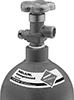
Curved to fit the shoulder of cylinders, these labels identify the liquid or gas inside.
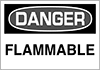
Alert people to the presence of flammable materials.
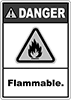
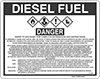
The illustrations on these labels help workers identify flammable hazards and corrosive materials at a glance.
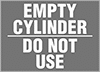
Clearly mark containers so you know what’s inside.
The graphics on these labels identify hazardous materials and provide safety reminders.
Mark hazardous materials and write in information to ensure they are stored and handled properly.
Keep workers informed about chemical and gas usage, warnings, and antidotes in case of exposure.
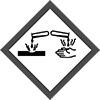
Mark hazardous materials with standard symbols so users know to handle them with care. These labels come with stickers that have GHS pictograms, which were designed by the UN to clearly identify chemicals as flammable, toxic, corrosive, and more.
Prevent health hazards resulting from exposure to chemicals using the UN classification.
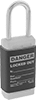
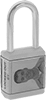
Wrap these labels around padlocks to comply with lockout/tagout procedures.
Add a photo in the designated square to identify the employee working a job.
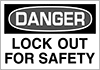
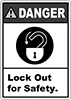
Prevent injuries from unexpected machine startups during maintenance and repair—these labels remind you to lock out equipment.
Add lockout symbols to an existing label or use alone to provide lockout reminders at a glance.
The headers and illustrations on these labels help workers identify lockout reminders at a glance.
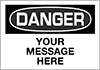
Specify the printed message you’d like to appear under the header of these labels.
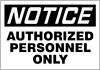
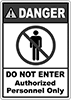
Identify dangerous areas to restrict access to authorized personnel.
The illustrations on these labels help workers identify restricted areas at a glance.
Stick these labels onto barrier posts to point out hazards or restricted areas.
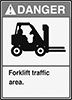
Share warnings or safety instructions with drivers. The images on these labels help them understand the message at a glance.
The illustrations on these labels help workers identify tripping hazards at a glance.
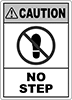
Help prevent accidents in areas with slippery floors, tripping hazards, or low headroom.
Add symbols to an existing label or use them alone to communicate slippery floors, tripping hazards, or low headroom. These labels meet ISO and ANSI safety color and symbol standards, so their message is universally understood with a quick glance.
Post safety instructions for drivers.
Stick these ISO symbols on existing labels or use them on their own to warn of vehicle hazards at a glance.
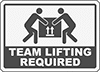
Mark objects with the best lifting points and procedures.
The illustrations on these labels help workers identify safety reminders at a glance.
The illustrations on these labels help workers identify confined spaces at a glance.
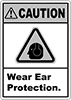
The graphics on these labels identify areas that require personal protective equipment, such as safety goggles and boots.
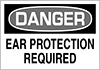
Designate areas that require personal protective equipment such as safety glasses and ear plugs.
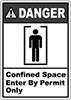
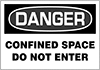
Identify confined spaces that require authorized entry.
Mark doors with clear instructions or information.
Attach these labels to hard hats to provide safety reminders or to identify first-aid personnel.
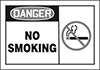
Communicate smoking policies by sticking these labels on doors, windows, and equipment.
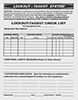
Keep detailed records for lockout/tagout procedures and list employees authorized to perform maintenance for a machine or group of machines.
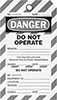
Sign and date these tags, then seal the laminating flap over your text to protect it from smudging and wear.
Keep a record of your lockout/tagout maintenance—these tags have a detachable stub for your files.
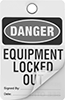
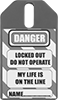
Reinforce lockout procedures to help prevent machines from starting unexpectedly. When attached with a cable tie, these tags help you comply with OSHA standards for lockout/tagout applications.
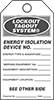
Use these tags to describe equipment and lockout/tagout procedures.
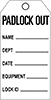
Sign out padlocks for lockout/tagout and other procedures.
Designed for use in the food industry, these tags remind workers to use lockout devices and procedures to prevent unexpected machine startups during maintenance and repair work while reducing the risk of contaminating the food.
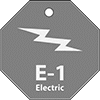
Mark sources of water and electricity so they’re easy to find when you service equipment.
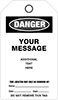
Specify the printed message you'd like to appear under the header.
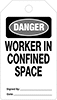
Communicate safety protocols and active work in confined spaces.
Hang these tags on a doorknob to show a room is in use or off-limits.
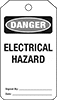
Identify electrical hazards, such as high-voltage equipment.
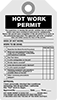
Guide workers through a safety checklist before welding, grinding, cutting, or other work involving fire or sparks.
Hang these tags on machines and equipment to communicate information about hazards.
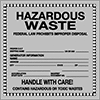
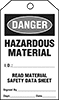
Mark materials as hazardous, corrosive, or flammable so others know to handle them with care.
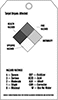
Help emergency workers recognize hazards at a glance. These tags have a National Fire Protection Association (NFPA) diamond that uses colors, numbers, and symbols to identify hazardous materials.
The color stripes on these tags identify the type of hazard. Write in the appropriate code numbers to indicate the severity.
Label hazardous materials with standard symbols so users know to handle them with care.
Create custom tags with any standard laser printer.
Hang these tags on equipment that needs maintenance or repairs.