We will reply to your message within an hour.
More
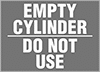
Clearly mark containers so you know what’s inside.
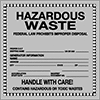
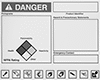
Mark hazardous materials and write in information to ensure they are stored and handled properly.
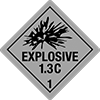
Prevent health hazards resulting from exposure to chemicals using the UN classification.
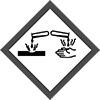
Mark hazardous materials with standard symbols so users know to handle them with care. These labels come with stickers that have GHS pictograms, which were designed by the UN to clearly identify chemicals as flammable, toxic, corrosive, and more.
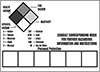
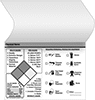
A reference chart explains the NFPA (National Fire Protection Association) color and number designations for hazards. Provide the appropriate code number using the NFPA diamond.
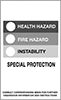
Provide appropriate code numbers for hazards with these NFPA (National Fire Protection Association) labels.
The color stripes and reference chart identify the type of hazard. Write in the appropriate code numbers and list required personal protective equipment.
Fill out these labels with codes that identify hazardous materials, then seal them with a clear plastic flap to protect the message.
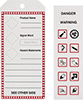
Keep workers informed about chemical and gas usage, warnings, and antidotes in case of exposure.
Add these labels to products that will expose consumers to chemicals or other substances that can cause cancer, birth defects, or reproductive harm.
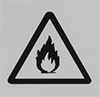
Add symbols to an existing label or use them alone to communicate the presence of hazardous materials.
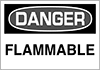
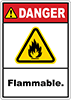
Alert people to the presence of flammable materials.
The illustrations on these labels help workers identify flammable hazards and corrosive materials at a glance.
The graphics on these labels identify hazardous materials and provide safety reminders.
The illustrations on these labels help workers identify safety reminders at a glance.
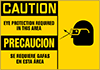
The graphics on these labels identify areas that require personal protective equipment, such as safety goggles and boots.
The headers and illustrations on these labels help workers identify electrical hazards at a glance.
Communicate smoking policies by sticking these labels on doors, windows, and equipment.
Designate the area where machine oils, fuels, and gas cylinders are stored.
Alert workers to the presence of chemicals, combustible liquids and gases, and other hazardous materials.
The illustrations on these signs help workers identify hazards at a glance.
Specify the exact chemical and source of exposure to be printed on these signs.
Alert others to the presence of chemicals such as carbon monoxide, tobacco smoke, and wood dust.
Remind your team to lock out machines during maintenance work to avoid accidental startups.
Identify confined spaces that require authorized permit-only entry.
Communicate dangers to workers near moving equipment that could cause injury.
Warn against forklift traffic, mark pedestrian crossings, and provide safety reminders to drivers.
Clearly define dangerous areas such as construction zones and welding areas to restrict access to only authorized personnel.
Help prevent accidents in areas with slippery floors, tripping hazards, or low headroom.
Notify workers of electrical hazards such as arc flashes, buried cable, and high-voltage equipment.
These signs can be read when viewed in a rearview mirror.
Designate areas that require personal protective equipment such as safety glasses and earmuffs.
The illustrations on these signs help workers identify restricted areas at a glance.
The illustrations on these signs help you identify electrical hazards at a glance.
Communicate hand signals for directing crane operation.
Remind employees to wash hands before returning to work.
Label hazardous materials with standard symbols so users know to handle them with care.
Mark potentially dangerous gases, batteries, and other hazardous materials.