

Filter by
Cut Profile


Grip Style


Jaw Opening Style
Material
Export Control Classification Number (ECCN)

U.S.–Mexico–Canada Agreement (USMCA) Qualifying
DFARS Specialty Metals
Surface Resistivity
Economy Wire Cutters
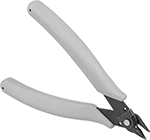 | 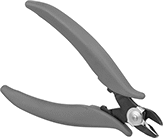 |
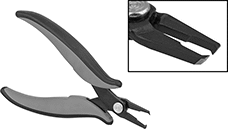
Side Cutting Edge with Cushion Grip | Side Cutting Edge with Ultra Grip |
 |  |
Tip Cutting Edge with Ultra Grip |
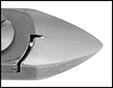 | 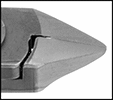 |
Oval Head | Tapered Head |
 |  |
Wire with Pointed Cut Profile | Wire with Flush Cut Profile |
Choose these wire cutters for your occasional use. Compared to standard wire cutters, they're not as durable. However, they have a slimmer head, so they fit where space is limited. This makes them great for depaneling panel circuit boards and cutting small gauge wire. Also known as diagonal-cutting pliers.
Oval Head—Cutters with an oval head are more durable than cutters with a tapered head.
Tapered Head—Cutters with a tapered head fit more easily in tight spaces than cutters with an oval head. However, they are less durable.
Pointed—Pointed cutters produce a deeply pointed, pinched end. Use them for electrical and general applications.
Flush—Flush cutters produce a cut with virtually no pinch left on the tip of the wire after it has been cut, creating clean connections for easy soldering. However, flush-cut tools don’t last as long as pointed ones.
Tip Cutting Edge—Tip-cutting tools allow precise cutting from above.
Spring-Assisted Jaws—Spring-assisted jaws open automatically when you release the handles.
Wire Catch—Cutters with a wire catch hold onto one side of a wire that's been cut to prevent it from falling. To engage the catch, keep the blades together after making a cut. Open the blades to let go of the wire.
Cut Profile—Cut profile refers to the amount of pinch left on the tip of the wire after it has been cut.
Jaw | For Wire | ||||||||||||||||||||||||||||||||||||||||||||||||||||||||||||||||||||||||||||||||||||||||||||||||||
|---|---|---|---|---|---|---|---|---|---|---|---|---|---|---|---|---|---|---|---|---|---|---|---|---|---|---|---|---|---|---|---|---|---|---|---|---|---|---|---|---|---|---|---|---|---|---|---|---|---|---|---|---|---|---|---|---|---|---|---|---|---|---|---|---|---|---|---|---|---|---|---|---|---|---|---|---|---|---|---|---|---|---|---|---|---|---|---|---|---|---|---|---|---|---|---|---|---|---|---|
Overall Lg. | Cut Profile | Cutting Edge Location | Head Offset Angle | Lg. | Opening Style | Max. Dia. | Max. Ga. | Type | Features | Material | Each | ||||||||||||||||||||||||||||||||||||||||||||||||||||||||||||||||||||||||||||||||||||||||
Oval Head and Cushion Grip | |||||||||||||||||||||||||||||||||||||||||||||||||||||||||||||||||||||||||||||||||||||||||||||||||||
| 6" | Flush | Side | 20° | 15/32" | Spring Assisted | 0.079" | 12 | Soft | — | Steel | 5763N11 | 000000 | |||||||||||||||||||||||||||||||||||||||||||||||||||||||||||||||||||||||||||||||||||||||
Oval Head and Ultra Grip | |||||||||||||||||||||||||||||||||||||||||||||||||||||||||||||||||||||||||||||||||||||||||||||||||||
| 6 1/4" | Pointed | Side | 20° | 35/64" | Manual | 0.102" | 10 | Soft, Hardened | Wire Catch | Steel | 5763N17 | 00000 | |||||||||||||||||||||||||||||||||||||||||||||||||||||||||||||||||||||||||||||||||||||||
| 6 1/4" | Flush | Side | 20° | 35/64" | Manual | 0.102" | 10 | Soft, Hardened | — | Steel | 5763N16 | 00000 | |||||||||||||||||||||||||||||||||||||||||||||||||||||||||||||||||||||||||||||||||||||||
Tapered Head and Cushion Grip | |||||||||||||||||||||||||||||||||||||||||||||||||||||||||||||||||||||||||||||||||||||||||||||||||||
| 5" | Flush | Side | 20° | 3/8" | Spring Assisted | 0.032" | 20 | Soft | Wire Catch | Steel | 3621A12 | 00000 | |||||||||||||||||||||||||||||||||||||||||||||||||||||||||||||||||||||||||||||||||||||||
| 5" | Flush | Side | 20° | 3/8" | Spring Assisted | 0.051" | 16 | Soft | — | Steel | 3621A36 | 0000 | |||||||||||||||||||||||||||||||||||||||||||||||||||||||||||||||||||||||||||||||||||||||
| 5" | Flush | Side | 55° | 3/16" | Spring Assisted | 0.032" | 20 | Soft | — | Steel | 5763N12 | 00000 | |||||||||||||||||||||||||||||||||||||||||||||||||||||||||||||||||||||||||||||||||||||||
| 5 5/8" | Flush | Side | 20° | 13/32" | Spring Assisted | 0.064" | 14 | Soft | — | Steel | 3621A13 | 00000 | |||||||||||||||||||||||||||||||||||||||||||||||||||||||||||||||||||||||||||||||||||||||
| 5 5/8" | Flush | Side | 20° | 13/32" | Spring Assisted | 0.064" | 14 | Soft | Wire Catch | Steel | 3621A35 | 00000 | |||||||||||||||||||||||||||||||||||||||||||||||||||||||||||||||||||||||||||||||||||||||
Tapered Head and Ultra Grip | |||||||||||||||||||||||||||||||||||||||||||||||||||||||||||||||||||||||||||||||||||||||||||||||||||
| 5 3/8" | Flush | Side | 50° | 7/16" | Manual | 0.047" | 16 | Soft | — | Steel | 5763N18 | 00000 | |||||||||||||||||||||||||||||||||||||||||||||||||||||||||||||||||||||||||||||||||||||||
| 5 1/2" | Pointed | Side | 20° | 5/16" | Manual | 0.081" | 12 | Soft | Wire Catch | Steel | 5763N15 | 00000 | |||||||||||||||||||||||||||||||||||||||||||||||||||||||||||||||||||||||||||||||||||||||
| 5 1/2" | Flush | Side | 20° | 5/16" | Manual | 0.081" | 12 | Soft | — | Steel | 5763N14 | 00000 | |||||||||||||||||||||||||||||||||||||||||||||||||||||||||||||||||||||||||||||||||||||||
| 5 5/8" | Flush | Tip | — | 1/8" | Manual | 0.040" | 18 | Soft | — | Steel | 5763N13 | 00000 | |||||||||||||||||||||||||||||||||||||||||||||||||||||||||||||||||||||||||||||||||||||||
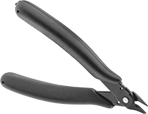
Economy Static-Control Wire Cutters
 | |
| |
Oval Head | Tapered Head |
 | |
Wire with Semi-Flush Cut Profile | Wire with Flush Cut Profile |
The grips drain static from your application, preventing buildup from electrostatic discharge (ESD) that can damage sensitive equipment. Spring-assisted jaws open automatically when you release the handles. Also known as diagonal-cutting pliers.
Oval Head—Oval-head cutters stay sharp longer than tapered-head cutters.
Tapered Head—Tapered-head cutters fit more easily in crowded spaces than oval-head cutters, but they dull more quickly.
Semi-Flush—Semi-flush cutters are more accurate than pointed-cut tools. They produce a pointed, pinched end often used in electronics assembly.
Flush— Flush cutters leave almost no pinch, creating clean connections for easy soldering, but they don’t last as long as pointed and semi-flush cutters.
Wire Catch—Cutters with a wire catch grip the wire after it has been cut, so it doesn’t fall off or fly into your workspace.
Static Dissipative—Static-dissipative tools divert static faster than antistatic tools.
Cut Profile—Cut profile refers to the amount of pinch left on the tip of the wire after it has been cut.
Jaw | For Wire | ||||||||||||||||||||||||||||||||||||||||||||||||||||||||||||||||||||||||||||||||||||||||||||||||||
|---|---|---|---|---|---|---|---|---|---|---|---|---|---|---|---|---|---|---|---|---|---|---|---|---|---|---|---|---|---|---|---|---|---|---|---|---|---|---|---|---|---|---|---|---|---|---|---|---|---|---|---|---|---|---|---|---|---|---|---|---|---|---|---|---|---|---|---|---|---|---|---|---|---|---|---|---|---|---|---|---|---|---|---|---|---|---|---|---|---|---|---|---|---|---|---|---|---|---|---|
Overall Lg. | Cut Profile | Cutting Edge Location | Head Offset Angle | Lg. | Opening Style | Max. Dia. | Max. Ga. | Type | Features | Performance | Surface Resistivity, ohm/sq. | Material | Each | ||||||||||||||||||||||||||||||||||||||||||||||||||||||||||||||||||||||||||||||||||||||
Oval Head and Cushion Grip | |||||||||||||||||||||||||||||||||||||||||||||||||||||||||||||||||||||||||||||||||||||||||||||||||||
| 5 3/4" | Flush | Side | 20° | 15/32" | Spring Assisted | 0.080" | 12 | Soft | — | Antistatic, Static Control | 1× 10^6 to 1× 10^9 | Steel | 3621A103 | 000000 | |||||||||||||||||||||||||||||||||||||||||||||||||||||||||||||||||||||||||||||||||||||
Tapered Head and Cushion Grip | |||||||||||||||||||||||||||||||||||||||||||||||||||||||||||||||||||||||||||||||||||||||||||||||||||
| 5" | Semi-Flush | Side | 20° | 1/2" | Spring Assisted | 0.080" | 12 | Soft | — | Static Control, Static Dissipative | 1× 10^9 to 1× 10^10 | Steel | 3621A33 | 00000 | |||||||||||||||||||||||||||||||||||||||||||||||||||||||||||||||||||||||||||||||||||||
| 5" | Flush | Side | 20° | 5/16" | Spring Assisted | 0.040" | 18 | Soft | — | Static Control, Static Dissipative | 1× 10^9 to 1× 10^10 | Steel | 3621A21 | 00000 | |||||||||||||||||||||||||||||||||||||||||||||||||||||||||||||||||||||||||||||||||||||
| 5" | Flush | Side | 20° | 11/32" | Spring Assisted | 0.040" | 18 | Soft | Wire Catch | Antistatic, Static Control | 1× 10^6 to 1× 10^9 | Steel | 3621A102 | 00000 | |||||||||||||||||||||||||||||||||||||||||||||||||||||||||||||||||||||||||||||||||||||
| 5" | Flush | Side | 20° | 3/8" | Spring Assisted | 0.032" | 20 | Soft | — | Static Control, Static Dissipative | 1× 10^9 to 1× 10^10 | Steel | 3621A34 | 00000 | |||||||||||||||||||||||||||||||||||||||||||||||||||||||||||||||||||||||||||||||||||||
| 5" | Flush | Side | 20° | 7/16" | Spring Assisted | 0.064" | 14 | Soft | — | Static Control, Static Dissipative | 1× 10^9 to 1× 10^10 | Steel | 3621A23 | 00000 | |||||||||||||||||||||||||||||||||||||||||||||||||||||||||||||||||||||||||||||||||||||
| 5 3/8" | Flush | Side | 20° | 5/16" | Manual | 0.080" | 12 | Soft | Wire Catch | Static Control, Static Dissipative | 1× 10^6 to 1× 10^9 | Steel | 3621A101 | 00000 | |||||||||||||||||||||||||||||||||||||||||||||||||||||||||||||||||||||||||||||||||||||
Economy Corrosion-Resistant Wire Cutters
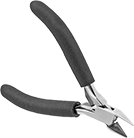 | |
Wire with Semi-Flush Cut Profile |
This cutter is stainless steel, which provides excellent corrosion resistance. It has a semi-flush cut profile, which produces a slightly pointed, pinched end on the tip of the wire and is the most widely used for electronics assembly. The spring-assisted jaws open automatically when you release the handles. Also known as diagonal-cutting pliers.
Jaw | For Wire | ||||||||||||||||||||||||||||||||||||||||||||||||||||||||||||||||||||||||||||||||||||||||||||||||||
|---|---|---|---|---|---|---|---|---|---|---|---|---|---|---|---|---|---|---|---|---|---|---|---|---|---|---|---|---|---|---|---|---|---|---|---|---|---|---|---|---|---|---|---|---|---|---|---|---|---|---|---|---|---|---|---|---|---|---|---|---|---|---|---|---|---|---|---|---|---|---|---|---|---|---|---|---|---|---|---|---|---|---|---|---|---|---|---|---|---|---|---|---|---|---|---|---|---|---|---|
Overall Lg. | Cut Profile | Cutting Edge Location | Lg. | Opening Style | Max. Dia. | Max. Ga. | Type | Performance | Material | Each | |||||||||||||||||||||||||||||||||||||||||||||||||||||||||||||||||||||||||||||||||||||||||
Tapered Head and Cushion Grip | |||||||||||||||||||||||||||||||||||||||||||||||||||||||||||||||||||||||||||||||||||||||||||||||||||
| 4 1/2" | Semi-Flush | Side | 9/16" | Spring Assisted | 0.025" | 22 | Soft | Corrosion Resistant | Stainless Steel | 5520A6 | 000000 | ||||||||||||||||||||||||||||||||||||||||||||||||||||||||||||||||||||||||||||||||||||||||
