



Filter by
Signal Output
Hazardous Location Rating

DFARS Specialty Metals
Export Control Classification Number (ECCN)


Certification
Hazardous-Location Proximity Switch Safety Barriers
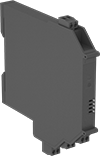 | 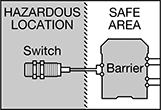 |
Safely transmit power to switches and sensors in highly volatile areas. Commonly used in refineries, power plants, and wastewater-treatment facilities, these barriers use a NAMUR signal to reduce the current and voltage coming from your power supply—preventing sparks and ignition. While these barriers connect to switches in hazardous locations, they must be installed in a separate nonhazardous area, along with the power supply. As associated apparatuses for IECEx and ATEX internationally certified switches, they should be paired with items that have corresponding ratings. Mount to DIN rails inside control cabinets and electrical panels.
Relay Signal Output—Barriers with a relay signal output are slower than those with a transistor output, but they can handle higher AC and DC loads. Because of their moving parts, they wear out quicker than transistors. Use them to turn devices on and off, such as light bulbs and small motors.
Transistor Signal Output—Barriers with a transistor signal output are faster and last longer than those with a relay output. However, they can only be used to handle DC loads. Connect them to receiving devices, such as remote displays and programmable logic controllers (PLCs).
Inputs | Outputs | ||||||||||||||||||||||||||||||||||||||||||||||||||||||||||||||||||||||||||||||||||||||||||||||||||
|---|---|---|---|---|---|---|---|---|---|---|---|---|---|---|---|---|---|---|---|---|---|---|---|---|---|---|---|---|---|---|---|---|---|---|---|---|---|---|---|---|---|---|---|---|---|---|---|---|---|---|---|---|---|---|---|---|---|---|---|---|---|---|---|---|---|---|---|---|---|---|---|---|---|---|---|---|---|---|---|---|---|---|---|---|---|---|---|---|---|---|---|---|---|---|---|---|---|---|---|
Operating Voltage, V DC | Voltage, V DC | Current, mA | No. of | Signal | Current | No. of | Signal | Switching Freq. | Hazardous Location Rating | Enclosure Rating | Each | ||||||||||||||||||||||||||||||||||||||||||||||||||||||||||||||||||||||||||||||||||||||||
Plastic Housing | |||||||||||||||||||||||||||||||||||||||||||||||||||||||||||||||||||||||||||||||||||||||||||||||||||
| 24 | 10 | 8 | 1 | NAMUR | 0.05 amp | 2 | Transistor | 5 kHz | ATEX I (M1) [Ex Ia Ma] I ATEX II (1)D [Ex Ia Da] IIIC ATEX II (1)G [Ex Ia Ga] IIC IECEx [Ex Ia Ma] I IECEx [Ex Ia Ga] IIC IECEx Ex Ec IIC T4 Gc IECEx [Ex Ia Da] IIIC Associated Apparatus for IEC Zone 0 Groups IIC, IIB, IIA Associated Apparatus for IEC Zone 20 Groups IIIC, IIIB, IIIA | IP20 | 7107N12 | 0000000 | |||||||||||||||||||||||||||||||||||||||||||||||||||||||||||||||||||||||||||||||||||||||
| 24 | 8 | 8 | 4 | NAMUR | 2 amp @ 230V AC 2 amp @ 40V DC | 4 | Relay | 10 Hz | ATEX I (M1) [Ex Ia Ma] I ATEX II (1)D [Ex Ia Da] IIIC ATEX II (1)G [Ex Ia Ga] IIC IECEx [Ex Ia Ma] I IECEx [Ex Ia Ga] IIC IECEx [Ex Ia Da] IIIC Associated Apparatus for IEC Zone 0 Groups IIC, IIB, IIA Associated Apparatus for IEC Zone 20 Groups IIIC, IIIB, IIIA | IP20 | 7107N14 | 000000 | |||||||||||||||||||||||||||||||||||||||||||||||||||||||||||||||||||||||||||||||||||||||
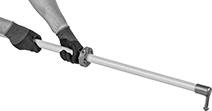
Hot Stick Hand Guards
 |  |
For Stick Dia. | OD | Thk. | Mount Type | No. of Clamping Screws Included | Material | Color | Each | ||
|---|---|---|---|---|---|---|---|---|---|
| 1 1/4" | 3 3/16" | 3/4" | Clamping Screw | 2 | Plastic | Red | 9492N111 | 000000 |
