
Clear All
Tip Type Tip Type | Show |
|---|
|
Tip Type Tip Type | Hide |
|---|
|
|
Color Color |
|---|
Tip Size Tip Size |
|---|
 | Ultra Fine |
 | Extra Fine |
 | Fine |
 | Medium |
 | Bold |
 | Extra Bold |
 | Ultra Bold |
Stroke Width Stroke Width |
|---|
For Use On For Use On |
|---|


Cap Style Cap Style |
|---|
|
Maximum Application Temperature Maximum ApplicationTemperature |
|---|
|
DFARS (Defense Acquisition Regulations Supplement) DFARS (Defense AcquisitionRegulations Supplement)  |
|---|
Composition Composition |
|---|
|
Minimum Application Temperature Minimum ApplicationTemperature |
|---|
|
|
Environment Environment |
|---|
|
RoHS (Restriction of Hazardous Substances) RoHS (Restriction ofHazardous Substances) |
|---|
|
REACH (Registration, Evaluation, Authorization and Restriction of Chemicals) REACH (Registration,Evaluation, Authorization and Restriction of Chemicals) |
|---|
|
Specifications Met Specifications Met |
|---|
Maximum Temperature Maximum Temperature |
|---|
|
Performance Properties Performance Properties |
|---|
|
Container Size Container Size |
|---|
|
|
Type Type |
|---|
|
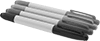
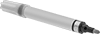
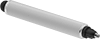
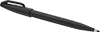
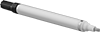
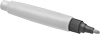
About Paint and Ink Markers
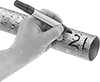
Paint markers work well even on dirty, rusty, wet, and oily surfaces. They leave textured marks you can feel with your hand.
Ink markers work best on a clean, dry surface. Marks dry faster than paint and are smooth to the touch.
Both paint and ink markers are permanent.
More