We will reply to your message within an hour.
More

Made from nitrile, these gloves stand up to oil better than latex or neoprene—they resist punctures and tears while you grease machines or service engines.
Made of highly elastic latex, these gloves stretch and conform to your hand. Their snug fit makes them ideal when you need dexterity for detailed work.
Often worn when handling electronic components, these gloves drain static electricity to protect sensitive parts from damage.
Cleaned and bagged in areas with low levels of particulates, these powder-free gloves are safe to use in clean rooms. They help you keep skin oil, microbes, and dust from contaminating your work.
A blend of neoprene, latex, and nitrile makes these gloves strong, elastic, and resistant to chemicals.
These gloves have a metal additive that will set off metal detectors if they fall into your line, so you can safely handle food and tools in a sanitary facility.
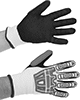
Shield the tops of your hands from bumps and bruises in tight spaces around heavy equipment.
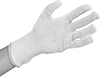
Prevent cross-contamination when handling objects that many people touch.
Protect your hands from machining accidents—these gloves tear easily at marked points on the fingers if they get caught in machinery.
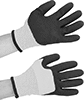
Designed for jobs where you need to stay nimble. These form-fitting gloves resist abrasion and conform to your hand to reduce fatigue.
Protect your hands from cuts and friction burns while using electric drain cleaners.
Protection where it counts—these gloves prevent a chainsaw from slicing through to your hand.
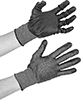
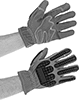
Reduce hand fatigue while operating rivet guns, jackhammers, and other power tools that produce high levels of vibration.
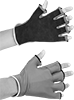
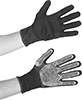
Minimize hand fatigue when using rivet guns, jackhammers, and other power tools that produce intense vibrations. These gloves have shock-absorbing padding that covers your palms and the base of your fingers, leaving your fingertips free to grip objects.
From acids to alkalis, these neoprene gloves protect your hands from chemicals. They resist tears, have good dexterity, and stay flexible across a wide range of temperatures.
Shield your hands from a variety of chemicals, such as hydraulic fluids, oil, alcohol, and gasoline. These gloves are often worn during valve maintenance and metalworking.
Resistant to most acids, alcohols, and cleaning solutions, these gloves are often used for cleaning laboratories and general maintenance work.
Protect your hands from esters, highly corrosive acids, and ketones such as acetone. Better at blocking out gases and vapors than other chemical-resistant gloves, these butyl gloves are often worn in chemical handling and aircraft manufacturing.
Protect your hands against strong organic chemicals, oil-based degreasing solvents, and lacquer thinner. These gloves are often used when maintaining lab equipment, or cleaning pumps or furnaces.
Keep your hands protected from harsh solvents and degreasers. These gloves are often used when cleaning machinery, tools, and other equipment.
Wear as a liner or over other gloves to protect against esters as well as aromatic, chlorinated, and oxygenated solvents such as ketones and alcohols. These gloves are commonly used to handle spill cleanup.
Protect your hands from common chemicals, such as sodium hydroxide and sulfuric acid. Often used for chemical washdowns, these gloves are good for tasks where durability is more important than dexterity.

Resistant to a broad range of acids, solvents, and other chemicals, these gloves are ideal for cleaning up spills. They’re made with five layers of polyethylene that block chemicals from reaching your hands, yet they’re still thin and lightweight.
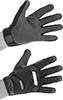
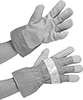
Designed for intermittent handling of hot pipes, engine parts, and castings, these gloves protect your hands from moderate heat and some abrasion.
Protect your hands from intermittent exposure to flames and radiant heat.
An ultra-thin 21-gauge knit makes these the thinnest cut-protection gloves we offer. Wear them for assembly work and other jobs where you need a precise touch.
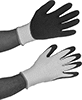
Lined to keep hands warm and coated to prevent cuts, these gloves are often worn for work with sharp tools in cold environments.
Handle sharp objects in cramped spaces where your hands might bump into heavy machinery.
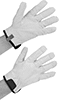
Made of leather, these gloves are more durable and wear-resistant than standard cut-protection gloves.
Protect hands from sharp edges, icy surfaces, and freezing weather. These gloves remain flexible in low temperatures and have a thermal liner.
Snug and flexible, these gloves shield your hands from sharp objects without limiting dexterity. A fleece lining protects you from frozen objects, frosty weather, and wind.
Chop, slice, and dice safely and with precision—these gloves keep your fingers nimble while still protecting you from cuts. They’re commonly used with knives and other sharp tools in food-service environments.
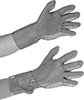
Made of interlinked rings, these gloves protect your hands from cuts and puncture wounds.
Use these sleeves alone or with gloves to protect your arms when handling sharp objects.
Often used in metal fabrication and glass manufacturing, these sleeves protect your arms from cuts and heat.
Snap these sleeves on your forearm to shield from sharp objects and fragments as thin as needles, glass shards, and metal shavings.
Made of interlinked rings, these sleeves protect your arms from cut and puncture wounds.
A layer of insulation inside these gloves keeps your hands warm while you work outdoors or handle cold objects.
Lined to insulate hands against cold objects and weather, these gloves have a leather palm to resist abrasion.
Maintain a secure grip on wet surfaces. These gloves are insulated to safeguard hands from chilly weather and cold objects.
Keep hands warm in temperatures as low as -320° F without sacrificing dexterity. Also known as cryogenic gloves, these can be used to handle dry ice.
Safeguard hands from cuts, impacts, and wintry weather—these gloves are tougher than standard cold-protection gloves.
Keep hands safe while slicing open boxes in cold storage or tackling outdoor maintenance in chilly weather. These gloves are made from durable materials to prevent cuts and have an insulating layer to keep you warm.
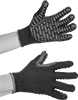
Also known as cryogenic gloves, these gloves keep your hands dry and warm at temperatures as low as -320° F.
Tougher than standard cold-protection mitts, these mitts protect your hands from cuts and impacts as well as wintry weather.
Protect your hands from wintry weather, frozen objects, and sharp edges. Easier to slip on or off than gloves, these mitts are a good choice for tasks that don’t require dexterity.
Safeguard hands from welding sparks and spatter while TIG welding. These gloves are thinner than MIG gloves, giving you more flexibility and sensitivity to handle small parts.
Switch between different types of welding without changing gloves. These gloves balance dexterity and heat protection, so they’re good for a variety of welding jobs.
Shield your hands from radiant heat and sparks without sacrificing dexterity. These gloves combine a leather palm with an aluminized fabric backing for protection while you make intricate welds.
Often used for maintaining low-voltage electrical equipment, these gloves protect you from arc flashes and sharp edges.
Designed with the hazards of utility maintenance and oil and gas rigs in mind, these gloves can handle your tough conditions. They protect your hands from extremely hot equipment, sharp objects, and arc flashes.
For jobs where arc-flash hazards meet tough hands-on work—these gloves offer our toughest protection.
Made with conductive fibers, these gloves safely drain static electricity to prevent damage to sensitive electronic parts.
Protect your hands from solder joints, cut wires, and other sharp edges while you work with sensitive electronics. These gloves are made with conductive fibers that drain static electricity before it can build up and cause damage.
Often worn when stress-testing semiconductors—where parts go from freezer to furnace—these gloves won't contaminate your clean room.
Dip components into acid baths, assemble circuits, and take on other clean room tasks involving hazardous chemicals.
Handle everything from frozen samples to freshly soldered circuit boards without contaminating your clean room. Compared to gloves, these mitts are easier to slip on and off—and can even be worn over gloves—but aren’t a good choice when you need high dexterity.