



Filter by


Maximum Temperature
Thermal Conductivity
For Use On
Container Size
Thermal Conductivity @ Temperature
Heat Transfer Coefficient
Performance


Consistency
Adhesive Type
DFARS Specialty Metals
Export Control Classification Number (ECCN)

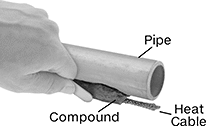
Heat-Transfer Compounds
 |
 |  | 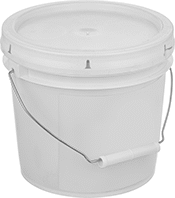 |
Cartridge | Can | Pail |
Container | |||||||||||||||||||||||||||||||||||||||||||||||||||||||||||||||||||||||||||||||||||||||||||||||||||
|---|---|---|---|---|---|---|---|---|---|---|---|---|---|---|---|---|---|---|---|---|---|---|---|---|---|---|---|---|---|---|---|---|---|---|---|---|---|---|---|---|---|---|---|---|---|---|---|---|---|---|---|---|---|---|---|---|---|---|---|---|---|---|---|---|---|---|---|---|---|---|---|---|---|---|---|---|---|---|---|---|---|---|---|---|---|---|---|---|---|---|---|---|---|---|---|---|---|---|---|
Size | Type | Begins to Harden, hr. | Reaches Full Strength, hr. | For Surface Material | For Use Outdoors | Each | |||||||||||||||||||||||||||||||||||||||||||||||||||||||||||||||||||||||||||||||||||||||||||||
450° F Maximum Temperature | |||||||||||||||||||||||||||||||||||||||||||||||||||||||||||||||||||||||||||||||||||||||||||||||||||
114 W/m² ° C | |||||||||||||||||||||||||||||||||||||||||||||||||||||||||||||||||||||||||||||||||||||||||||||||||||
| 10 fl. oz. | Cartridge | — | — | Ceramic, Glass, Metal, Plastic | Yes | 3568K41 | 000000 | ||||||||||||||||||||||||||||||||||||||||||||||||||||||||||||||||||||||||||||||||||||||||||||
| 32 fl. oz. | Cartridge | — | — | Ceramic, Glass, Metal, Plastic | Yes | 3568K71 | 00000 | ||||||||||||||||||||||||||||||||||||||||||||||||||||||||||||||||||||||||||||||||||||||||||||
| 1 qt. | Can | — | — | Ceramic, Glass, Metal, Plastic | Yes | 3568K42 | 00000 | ||||||||||||||||||||||||||||||||||||||||||||||||||||||||||||||||||||||||||||||||||||||||||||
| 1 gal. | Can | — | — | Ceramic, Glass, Metal, Plastic | Yes | 3568K43 | 000000 | ||||||||||||||||||||||||||||||||||||||||||||||||||||||||||||||||||||||||||||||||||||||||||||
| 5 gal. | Can | — | — | Ceramic, Glass, Metal, Plastic | Yes | 3568K72 | 000000 | ||||||||||||||||||||||||||||||||||||||||||||||||||||||||||||||||||||||||||||||||||||||||||||
750° F Maximum Temperature | |||||||||||||||||||||||||||||||||||||||||||||||||||||||||||||||||||||||||||||||||||||||||||||||||||
114 W/m² ° C | |||||||||||||||||||||||||||||||||||||||||||||||||||||||||||||||||||||||||||||||||||||||||||||||||||
| 10 fl. oz. | Cartridge | 1 | 24 | Ceramic, Glass, Metal, Plastic | No | 3568K51 | 00000 | ||||||||||||||||||||||||||||||||||||||||||||||||||||||||||||||||||||||||||||||||||||||||||||
| 32 fl. oz. | Cartridge | 1 | 24 | Ceramic, Glass, Metal, Plastic | No | 3568K74 | 00000 | ||||||||||||||||||||||||||||||||||||||||||||||||||||||||||||||||||||||||||||||||||||||||||||
| 1 qt. | Can | 1 | 24 | Ceramic, Glass, Metal, Plastic | No | 3568K52 | 00000 | ||||||||||||||||||||||||||||||||||||||||||||||||||||||||||||||||||||||||||||||||||||||||||||
151 W/m² ° C | |||||||||||||||||||||||||||||||||||||||||||||||||||||||||||||||||||||||||||||||||||||||||||||||||||
| 1 gal. | Can | 6 | 24 | Ceramic, Glass, Metal | No | 3568K1 | 00000 | ||||||||||||||||||||||||||||||||||||||||||||||||||||||||||||||||||||||||||||||||||||||||||||
| 5 gal. | Can | 6 | 24 | Ceramic, Glass, Metal | No | 3568K3 | 000000 | ||||||||||||||||||||||||||||||||||||||||||||||||||||||||||||||||||||||||||||||||||||||||||||
1,250° F Maximum Temperature | |||||||||||||||||||||||||||||||||||||||||||||||||||||||||||||||||||||||||||||||||||||||||||||||||||
114 W/m² ° C | |||||||||||||||||||||||||||||||||||||||||||||||||||||||||||||||||||||||||||||||||||||||||||||||||||
| 10 fl. oz. | Cartridge | 1 | 24 | Ceramic, Glass, Metal, Plastic | No | 3568K61 | 00000 | ||||||||||||||||||||||||||||||||||||||||||||||||||||||||||||||||||||||||||||||||||||||||||||
| 32 fl. oz. | Cartridge | 1 | 24 | Ceramic, Glass, Metal, Plastic | No | 3568K76 | 00000 | ||||||||||||||||||||||||||||||||||||||||||||||||||||||||||||||||||||||||||||||||||||||||||||
| 1 qt. | Can | 1 | 24 | Ceramic, Glass, Metal, Plastic | No | 3568K62 | 00000 | ||||||||||||||||||||||||||||||||||||||||||||||||||||||||||||||||||||||||||||||||||||||||||||
| 1 gal. | Can | 1 | 24 | Ceramic, Glass, Metal, Plastic | No | 3568K63 | 000000 | ||||||||||||||||||||||||||||||||||||||||||||||||||||||||||||||||||||||||||||||||||||||||||||
| 5 gal. | Can | 1 | 24 | Ceramic, Glass, Metal, Plastic | No | 3568K78 | 000000 | ||||||||||||||||||||||||||||||||||||||||||||||||||||||||||||||||||||||||||||||||||||||||||||
2,200° F Maximum Temperature | |||||||||||||||||||||||||||||||||||||||||||||||||||||||||||||||||||||||||||||||||||||||||||||||||||
85 W/m² ° C | |||||||||||||||||||||||||||||||||||||||||||||||||||||||||||||||||||||||||||||||||||||||||||||||||||
| 1 gal. | Pail | 1 | 24 | Metal | Yes | 6571N11 | 000000 | ||||||||||||||||||||||||||||||||||||||||||||||||||||||||||||||||||||||||||||||||||||||||||||
Heat Sink Bonding Compounds
 | 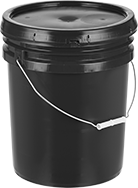 |  | 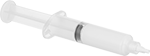 |
Tube | Pail | Jar | Syringe |
Container | |||||||||||||||||||||||||||||||||||||||||||||||||||||||||||||||||||||||||||||||||||||||||||||||||||
|---|---|---|---|---|---|---|---|---|---|---|---|---|---|---|---|---|---|---|---|---|---|---|---|---|---|---|---|---|---|---|---|---|---|---|---|---|---|---|---|---|---|---|---|---|---|---|---|---|---|---|---|---|---|---|---|---|---|---|---|---|---|---|---|---|---|---|---|---|---|---|---|---|---|---|---|---|---|---|---|---|---|---|---|---|---|---|---|---|---|---|---|---|---|---|---|---|---|---|---|
Thermal Conductivity @ Temp. | Temp. Range, ° F | Type | Size, fl. oz. | Net Wt., lb. | Mfr. | Mfr. Model No. | Mil. Spec. | Specs. Met | Each | ||||||||||||||||||||||||||||||||||||||||||||||||||||||||||||||||||||||||||||||||||||||||||
Silicone Rubber | |||||||||||||||||||||||||||||||||||||||||||||||||||||||||||||||||||||||||||||||||||||||||||||||||||
| 0.68 W/(m⋅°C) @ 97° F | -40 to 390 | Tube | 5 | — | Dow | 340 | — | — | 10405K83 | 000000 | |||||||||||||||||||||||||||||||||||||||||||||||||||||||||||||||||||||||||||||||||||||||||
| 0.75 W/(m⋅°C) @ 97° F | -40 to 400 | Tube | 8 | — | — | — | — | — | 10405K79 | 00000 | |||||||||||||||||||||||||||||||||||||||||||||||||||||||||||||||||||||||||||||||||||||||||
| 0.75 W/(m⋅°C) @ 97° F | -40 to 400 | Pail | — | 80 | — | — | — | — | 10405K153 | 00000000 | |||||||||||||||||||||||||||||||||||||||||||||||||||||||||||||||||||||||||||||||||||||||||
Zinc Oxide | |||||||||||||||||||||||||||||||||||||||||||||||||||||||||||||||||||||||||||||||||||||||||||||||||||
| 0.92 W/(m⋅°C) @ 97° F | -40 to 320 | Tube | 2 | — | — | — | MIL-C-47113 | — | 3883K24 | 00000 | |||||||||||||||||||||||||||||||||||||||||||||||||||||||||||||||||||||||||||||||||||||||||
| 0.92 W/(m⋅°C) @ 97° F | -40 to 320 | Syringe | 1 | — | — | — | MIL-C-47113 | — | 3883K101 | 00000 | |||||||||||||||||||||||||||||||||||||||||||||||||||||||||||||||||||||||||||||||||||||||||
| 0.92 W/(m⋅°C) @ 97° F | -40 to 390 | Tube | 4 | — | — | — | — | ASTM D5470 | 76645A12 | 00000 | |||||||||||||||||||||||||||||||||||||||||||||||||||||||||||||||||||||||||||||||||||||||||
| 0.92 W/(m⋅°C) @ 97° F | -40 to 390 | Jar | 16 | — | — | — | — | ASTM D5470 | 76645A14 | 00000 | |||||||||||||||||||||||||||||||||||||||||||||||||||||||||||||||||||||||||||||||||||||||||
| 5 W/(m⋅°C) @ 97° F | -40 to 500 | Tube | 2 | — | — | — | — | — | 3883K103 | 00000 | |||||||||||||||||||||||||||||||||||||||||||||||||||||||||||||||||||||||||||||||||||||||||
| 5 W/(m⋅°C) @ 97° F | -40 to 500 | Tube | 4 | — | — | — | — | — | 3883K104 | 00000 | |||||||||||||||||||||||||||||||||||||||||||||||||||||||||||||||||||||||||||||||||||||||||
| 5 W/(m⋅°C) @ 97° F | -40 to 500 | Jar | 16 | — | — | — | — | — | 3883K105 | 00000 | |||||||||||||||||||||||||||||||||||||||||||||||||||||||||||||||||||||||||||||||||||||||||
| 5 W/(m⋅°C) @ 97° F | -40 to 500 | Syringe | 1 | — | — | — | — | — | 3883K102 | 00000 | |||||||||||||||||||||||||||||||||||||||||||||||||||||||||||||||||||||||||||||||||||||||||
Conductive Adhesives for Electronics
Epoxy
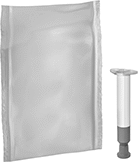 | 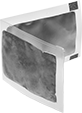 | 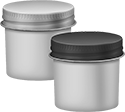 |
Single-Use Packet and Syringe | Single-Use Packet | Can |
Epoxy adhesives are two-part adhesives that need to be mixed together. The size listed is the combined total of the two parts.
ASTM E595—Adhesives that meet ASTM E595, a standard used by NASA, produce almost no volatile emissions that could damage sensitive electronics, even in a vacuum.
Container | |||||||||||||||||||||||||||||||||||||||||||||||||||||||||||||||||||||||||||||||||||||||||||||||||||
|---|---|---|---|---|---|---|---|---|---|---|---|---|---|---|---|---|---|---|---|---|---|---|---|---|---|---|---|---|---|---|---|---|---|---|---|---|---|---|---|---|---|---|---|---|---|---|---|---|---|---|---|---|---|---|---|---|---|---|---|---|---|---|---|---|---|---|---|---|---|---|---|---|---|---|---|---|---|---|---|---|---|---|---|---|---|---|---|---|---|---|---|---|---|---|---|---|---|---|---|
Mfr. Model No. | Size, fl. oz. | Net Wt., oz. | Type | Surface Resistivity | Begins to Harden | Reaches Full Strength | Thermal Conductivity, W/(m⋅°C) | Mix Ratio | Consistency | Max. Temp., ° F | Specs. Met | For Joining | Each | ||||||||||||||||||||||||||||||||||||||||||||||||||||||||||||||||||||||||||||||||||||||
Loctite® | |||||||||||||||||||||||||||||||||||||||||||||||||||||||||||||||||||||||||||||||||||||||||||||||||||
| 2902 | — | 0.09 | Single-Use Packet, Syringe | 1× 10^-3Ω⋅cm | 60 min. | 24 hr. | 2.99 | 100:6 | Paste | 230 | ASTM E595 | Ceramic, Glass, Metal | 7595A113 | 000000 | |||||||||||||||||||||||||||||||||||||||||||||||||||||||||||||||||||||||||||||||||||||
| 2902 | — | 0.35 | Single-Use Packet, Syringe | 1× 10^-3Ω⋅cm | 60 min. | 24 hr. | 2.99 | 100:6 | Paste | 230 | ASTM E595 | Ceramic, Glass, Metal | 7595A114 | 000000 | |||||||||||||||||||||||||||||||||||||||||||||||||||||||||||||||||||||||||||||||||||||
Other Conductive Adhesives | |||||||||||||||||||||||||||||||||||||||||||||||||||||||||||||||||||||||||||||||||||||||||||||||||||
| — | — | 0.09 | Single-Use Packet | 5× 10^-2Ω⋅cm | 3 hr. | 24 hr. | 1.55 | 1:1.15 | Paste | 230 | — | Ceramic, Glass, Metal | 7661A13 | 00000 | |||||||||||||||||||||||||||||||||||||||||||||||||||||||||||||||||||||||||||||||||||||
| — | 0.5 | — | Can | 4× 10^-4Ω⋅cm | 4 hr. | 5 day | 7.93 | 1:1 | Paste | 265 | — | Metal | 7595A33 | 000000 | |||||||||||||||||||||||||||||||||||||||||||||||||||||||||||||||||||||||||||||||||||||
| — | 0.5 | — | Can | 9× 10^-5Ω⋅cm | 4 hr. | 5 day | 7.9 | 1:1 | Paste | 175 | ASTM E595 | Ceramic, Glass, Metal | 7595A111 | 000000 | |||||||||||||||||||||||||||||||||||||||||||||||||||||||||||||||||||||||||||||||||||||
| — | 1 | — | Can | 4× 10^-4Ω⋅cm | 4 hr. | 5 day | 7.93 | 1:1 | Paste | 265 | — | Metal | 7595A34 | 000000 | |||||||||||||||||||||||||||||||||||||||||||||||||||||||||||||||||||||||||||||||||||||
| — | 1 | — | Can | 9× 10^-5Ω⋅cm | 4 hr. | 5 day | 7.9 | 1:1 | Paste | 175 | ASTM E595 | Ceramic, Glass, Metal | 7595A112 | 000000 | |||||||||||||||||||||||||||||||||||||||||||||||||||||||||||||||||||||||||||||||||||||
Plastic
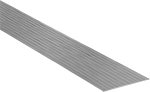 |
Strip with Adhesive on One Side |
Plastic adhesives are one-part adhesives that don’t need to be mixed. Dry to the touch and faster and easier to apply than two-part adhesives, they’re best for use on automated assembly lines. Often used to join solar cells in solar panels, these adhesives make instant electrical connections without flux at lower temperatures than soldering. Since they attach to solar cells with heat and slight pressure, they limit stress cracks that can form when soldering. These adhesives can also be used as a bridge between multiple solar panels.
Lg. | Wd. | Thk. | Melting Temp., ° F | Max. Temp., ° F | Surface Resistivity | Begins to Harden, sec. | Reaches Full Strength, sec. | Thermal Conductivity, W/(m⋅°C) | Consistency | For Joining | Each | ||||||||||||||||||||||||||||||||||||||||||||||||||||||||||||||||||||||||||||||||||||||||
|---|---|---|---|---|---|---|---|---|---|---|---|---|---|---|---|---|---|---|---|---|---|---|---|---|---|---|---|---|---|---|---|---|---|---|---|---|---|---|---|---|---|---|---|---|---|---|---|---|---|---|---|---|---|---|---|---|---|---|---|---|---|---|---|---|---|---|---|---|---|---|---|---|---|---|---|---|---|---|---|---|---|---|---|---|---|---|---|---|---|---|---|---|---|---|---|---|---|---|---|
Strip with Adhesive on One Side | |||||||||||||||||||||||||||||||||||||||||||||||||||||||||||||||||||||||||||||||||||||||||||||||||||
| 12" | 1/16" | 0.002" | 250 | 300 | 1× 10^-4Ω⋅cm | 5 | 5 | 12 | Film | Metal | 7661A111 | 00000 | |||||||||||||||||||||||||||||||||||||||||||||||||||||||||||||||||||||||||||||||||||||||
Non-Bonding Heat Transfer Compounds
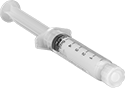 |
Also known as thermal paste, these boron-nitride compounds increase heat transfer between parts while preventing them from sticking. Unlike antiseize compounds, they don't conduct electricity, so you won't risk shorting out sensitive electronics. They're often used on thermocouple probes to improve accuracy. You can also use them in 3D printer heating blocks and other high-temperature areas to keep parts from fusing together.
Container | ||||||||||||
|---|---|---|---|---|---|---|---|---|---|---|---|---|
Size, fl. oz. | Type | Chemical | Max. Temp. | Thermal Conductivity @ Temp. | Color | Includes | For Use On | For Use With | Each | |||
| 0.2 | Syringe | Boron Nitride | 1,562° F 850° C | 31.4 W/(m⋅°C) @ 212° F | White | Three Applicator Brushes | 3D Printer Extruder Heating Elements, Electrical Components | Aluminum, Brass, Copper, Iron, Nickel, Stainless Steel, Steel, Titanium | 3715N11 | 000000 | ||
| 1 | Syringe | Boron Nitride | 1,562° F 850° C | 31.4 W/(m⋅°C) @ 212° F | White | — | 3D Printer Extruder Heating Elements, Electrical Components | Aluminum, Brass, Copper, Iron, Nickel, Stainless Steel, Steel, Titanium | 3715N12 | 00000 | ||
Electrically and Thermally Conductive Grease
 |
Syringe |
 |
Jar |
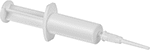
A high silver content gives this grease excellent conductivity for applications where electricity and heat transfer are required. It is suitable for ESD (electrostatic discharge) and EMI (electromagnetic interference) shielding applications.
Grease lubricates most efficiently within the listed temperature range.
2 NLGI Grade—NLGI 2 is about the consistency of peanut butter.
Melting Temperature—Melting temperature is the point at which grease will fail and run out of equipment, leaving it to run dry.
Electrical Resistivity—Electrical resistivity is a measure of how well a material opposes the flow of electricity. The lower the rating, the more electricity it conducts.
Thermal Conductivity—Thermal conductivity measures a material’s ability to transfer heat. The higher the rating, the more heat it transfers.
Cannot Be Sold To—Product regulations restrict sales to the listed jurisdictions/areas.
Container | Temp., ° F | ||||||||||||||||||||||||||||||||||||||||||||||||||||||||||||||||||||||||||||||||||||||||||||||||||
|---|---|---|---|---|---|---|---|---|---|---|---|---|---|---|---|---|---|---|---|---|---|---|---|---|---|---|---|---|---|---|---|---|---|---|---|---|---|---|---|---|---|---|---|---|---|---|---|---|---|---|---|---|---|---|---|---|---|---|---|---|---|---|---|---|---|---|---|---|---|---|---|---|---|---|---|---|---|---|---|---|---|---|---|---|---|---|---|---|---|---|---|---|---|---|---|---|---|---|---|
NLGI Consistency Grade | Base Oil | Additive | Size, fl. oz. | Type | Min. | Max. | Melting Temp., ° F | Electrical Resistivity | Thermal Conductivity, BTU⋅in/(hr⋅ft²⋅°F) | Color | Cannot Be Sold To | Each | |||||||||||||||||||||||||||||||||||||||||||||||||||||||||||||||||||||||||||||||||||||||
Silicone Rubber Thickener | |||||||||||||||||||||||||||||||||||||||||||||||||||||||||||||||||||||||||||||||||||||||||||||||||||
| Not Rated | Synthetic Oil | Silver | 0.2 | Syringe | -70 | 485 | 490 | 0.010Ω⋅cm | 40 | Silver | Outside United States and Canada | 1219K55 | 000000 | ||||||||||||||||||||||||||||||||||||||||||||||||||||||||||||||||||||||||||||||||||||||
Other Grease | |||||||||||||||||||||||||||||||||||||||||||||||||||||||||||||||||||||||||||||||||||||||||||||||||||
| 2 | Synthetic Oil | Silver | 0.5 | Jar | -40 | 300 | Not Rated | 0.005Ω⋅cm | 60 | Silver | — | 1219K57 | 000000 | ||||||||||||||||||||||||||||||||||||||||||||||||||||||||||||||||||||||||||||||||||||||
| 2 | Synthetic Oil | Silver | 1 | Jar | -70 | 500 | Not Rated | 0.005Ω⋅cm | 60 | Silver | — | 1219K53 | 000000 | ||||||||||||||||||||||||||||||||||||||||||||||||||||||||||||||||||||||||||||||||||||||
| 2 | Synthetic Oil | Silver | 1 | Jar | -40 | 300 | Not Rated | 0.005Ω⋅cm | 60 | Silver | — | 1219K59 | 000000 | ||||||||||||||||||||||||||||||||||||||||||||||||||||||||||||||||||||||||||||||||||||||
Conductive Surface Fillers for Electronics
 |  |
Epoxy Jar | Single-Use Packet |
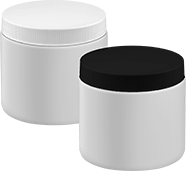
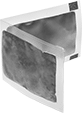
A high silver content allows these surface fillers to conduct electricity and heat. Use them to fill gaps and rebuild missing material on electrical connections or to assemble new components. They come as two parts. The size listed is the combined total of the two parts.
Thermal Conductivity—Thermal conductivity measures a material’s ability to transfer heat. The higher the rating, the more heat it transfers.
Electrical Volume Resistivity—Electrical volume resistivity measures how well a material opposes the flow of electricity. The lower the rating, the more electricity it conducts.
Container | Temp. Range, ° F | ||||||||||||||||||||||||||||||||||||||||||||||||||||||||||||||||||||||||||||||||||||||||||||||||||
|---|---|---|---|---|---|---|---|---|---|---|---|---|---|---|---|---|---|---|---|---|---|---|---|---|---|---|---|---|---|---|---|---|---|---|---|---|---|---|---|---|---|---|---|---|---|---|---|---|---|---|---|---|---|---|---|---|---|---|---|---|---|---|---|---|---|---|---|---|---|---|---|---|---|---|---|---|---|---|---|---|---|---|---|---|---|---|---|---|---|---|---|---|---|---|---|---|---|---|---|
Mfr. Model No. | Size, fl. oz. | Net Wt., oz. | Type | Begins to Harden | Reaches Full Strength | Consistency | Mixing Req. | Thermal Conductivity, W/(m⋅°C) | Electrical Volume Resistivity | Mix Ratio | Max. Thk. | For Use Outdoors | Min. | Max. | Color | For Use On | Each | ||||||||||||||||||||||||||||||||||||||||||||||||||||||||||||||||||||||||||||||||||
Loctite® Surface Fillers | |||||||||||||||||||||||||||||||||||||||||||||||||||||||||||||||||||||||||||||||||||||||||||||||||||
| 3888 | — | 0.09 | Single-Use Packet | 90 min. | 24 hr. | Paste | Yes | 1.44 | 0.001Ω⋅cm | 100:6 | 1/4" | Yes | -40 | 170 | Silver | Aluminum, Brass, Bronze, Copper, Steel, Stainless Steel, Titanium, Polycarbonate | 7366A55 | 000000 | |||||||||||||||||||||||||||||||||||||||||||||||||||||||||||||||||||||||||||||||||
Surface Fillers | |||||||||||||||||||||||||||||||||||||||||||||||||||||||||||||||||||||||||||||||||||||||||||||||||||
| — | — | 0.09 | Single-Use Packet | 90 min. | 24 hr. | Paste | Yes | 6.05 | 0.009Ω⋅cm | 100:6 | 1/4" | Yes | -75 | 250 | Silver | Aluminum, Brass, Bronze, Copper, Steel, Stainless Steel, Titanium, Ceramic, Glass | 7661A11 | 00000 | |||||||||||||||||||||||||||||||||||||||||||||||||||||||||||||||||||||||||||||||||
| — | — | 0.35 | Single-Use Packet | 90 min. | 24 hr. | Paste | Yes | 6.05 | 0.009Ω⋅cm | 100:6 | 1/4" | Yes | -75 | 250 | Silver | Aluminum, Brass, Bronze, Copper, Steel, Stainless Steel, Titanium, Ceramic, Glass | 7661A12 | 000000 | |||||||||||||||||||||||||||||||||||||||||||||||||||||||||||||||||||||||||||||||||
| — | 0.5 | — | Jar | 4 hr. | 5 day | Paste | Yes | 5.77 | 0.0004Ω⋅cm | 1:1 | Not Rated | No | Not Rated | 300 | Silver | Aluminum, Brass, Copper, Steel, Stainless Steel | 7595A31 | 000000 | |||||||||||||||||||||||||||||||||||||||||||||||||||||||||||||||||||||||||||||||||
| — | 1 | — | Jar | 4 hr. | 5 day | Paste | Yes | 5.77 | 0.0004Ω⋅cm | 1:1 | Not Rated | No | Not Rated | 300 | Silver | Aluminum, Brass, Copper, Steel, Stainless Steel | 7595A32 | 000000 | |||||||||||||||||||||||||||||||||||||||||||||||||||||||||||||||||||||||||||||||||
Conductive Gallium
Heat-Transfer Epoxy Potting Compounds
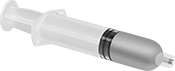
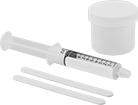
Jar and Syringe Potting Compounds—Extra Hard
 |
Dry Time | Temp. | ||||||||||||
|---|---|---|---|---|---|---|---|---|---|---|---|---|---|
Container Size, fl. oz. | Consistency | Touch | Overall, hr. | Dielectric Strength, V/mil | Thermal Conductivity, W/(m⋅°C) | Min. | Max., ° F | Heating Req. to Reach Full Strength | For Use On | Color | Each | ||
| 0.9 | Thick Liquid | 25 min. | 24 | 450 | 1.87 | Not Rated | 500 | 1 hr. @ 250°F Then 1 hr. @ 350°F | Aluminum, Brass, Bronze, Cast Iron, Copper, Iron, Steel, Stainless Steel, Silver, Titanium, Plastic, Composite, Ceramic, Glass | Black | 7563A55 | 000000 | |
| 1 | Gel | 4 hr. | 6 | Not Rated | 1.87 | Not Rated | 600 | 4 Hrs. @ 250°F Then 2 Hrs. @ 350°F | Aluminum, Brass, Bronze, Cast Iron, Copper, Iron, Steel, Stainless Steel, Silver, Titanium, Plastic, Composite, Ceramic, Glass | Black | 7563A57 | 00000 | |
| 1.5 | Thin Liquid | 30 min. | 26 | 450 | 0.21 | Not Rated | 500 | 1 hr. @ 250°F Then 1 hr. @ 350°F | Aluminum, Brass, Bronze, Cast Iron, Copper, Iron, Steel, Stainless Steel, Silver, Titanium, Plastic, Composite, Ceramic, Glass | Amber | 7563A52 | 00000 | |
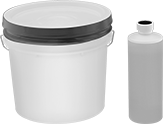
Pail and Bottle Potting Compounds—Extra Hard
 |
Dry Time | Temp. | |||||||||||
|---|---|---|---|---|---|---|---|---|---|---|---|---|
Container Size, gal. | Consistency | Touch, min. | Overall, hr. | Dielectric Strength, V/mil | Thermal Conductivity, W/(m⋅°C) | Min. | Max., ° F | For Use On | Color | Each | ||
| 1 | Thick Liquid | 25 | 24 | 450 | 1.87 | Not Rated | 500 | Steel, Ceramic, Glass | Black | 7563A26 | 0000000 | |
Cartridge Potting Compounds—Extra Hard
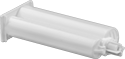 |
Cartridge potting compounds require a gun and mixer nozzle (each sold separately) to dispense.
Dry Time | Temp., ° F | |||||||||||
|---|---|---|---|---|---|---|---|---|---|---|---|---|
Container Size, fl. oz. | Consistency | Touch, min. | Overall, hr. | Dielectric Strength, V/mil | Thermal Conductivity, W/(m⋅°C) | Min. | Max. | For Use On | Color | Each | ||
| 1.7 | Thick Liquid | 15 | 8 | 520 | 1.01 | -40 | 210 | Aluminum, Brass, Bronze, Copper, Steel, Stainless Steel, Silver, Titanium, Plastic, Composite, Fiberglass | Black | 7548A11 | 000000 | |
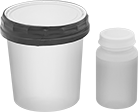
Jar and Bottle Potting Compounds—Extra Hard
 |
Dry Time | Temp. | ||||||||||||
|---|---|---|---|---|---|---|---|---|---|---|---|---|---|
Container Size, fl. oz. | Consistency | Touch | Overall, hr. | Dielectric Strength, V/mil | Thermal Conductivity, W/(m⋅°C) | Min. | Max., ° F | Heating Req. to Reach Full Strength | For Use On | Color | Each | ||
| 16 | Thin Liquid | 30 min. | 26 | 450 | 0.21 | Not Rated | 500 | 1 hr. @ 250°F Then 1 hr. @ 350°F | Aluminum, Brass, Bronze, Cast Iron, Copper, Iron, Steel, Stainless Steel, Silver, Titanium, Plastic, Composite, Ceramic, Glass | Amber | 7563A51 | 0000000 | |
| 19 | Thick Liquid | 25 min. | 24 | 450 | 1.87 | Not Rated | 500 | — | Steel, Ceramic, Glass | Black | 7563A24 | 000000 | |
| 20 | Gel | 4 hr. | 6 | Not Rated | 1.87 | Not Rated | 600 | 4 Hrs. @ 250°F Then 2 Hrs. @ 350°F | Steel, Ceramic, Glass | Black | 7563A27 | 000000 | |
Insulating Adhesives for Electronics
Epoxy
 | 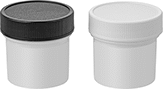 |
Single-Use Packet | Jar |
Epoxy adhesives are two-part adhesives that need to be mixed. The size listed is the combined total of the two parts.
Model Number 2151—Loctite® 2151 resist salts, mild acids, and oils. They can also handle sudden impacts and shocks.
120 hr. Reaches Full Strength—Epoxy adhesives that reach full strength in 120 hrs. are flexible, making them ideal for bonding dissimilar materials that may shift or expand differently under heat.
ASTM E595—Adhesives that meet ASTM E595, a standard used by NASA, release almost no volatile emissions that could damage sensitive electronics, even in a vacuum.
Container | Temp., ° F | ||||||||||||||||||||||||||||||||||||||||||||||||||||||||||||||||||||||||||||||||||||||||||||||||||
|---|---|---|---|---|---|---|---|---|---|---|---|---|---|---|---|---|---|---|---|---|---|---|---|---|---|---|---|---|---|---|---|---|---|---|---|---|---|---|---|---|---|---|---|---|---|---|---|---|---|---|---|---|---|---|---|---|---|---|---|---|---|---|---|---|---|---|---|---|---|---|---|---|---|---|---|---|---|---|---|---|---|---|---|---|---|---|---|---|---|---|---|---|---|---|---|---|---|---|---|
Mfr. Model No. | Size, fl. oz. | Type | Begins to Harden | Reaches Full Strength, hr. | Thermal Conductivity, W/(m⋅°C) | Mix Ratio | Consistency | Min. | Max. | Color | Clarity | Specs. Met | For Joining | Each | |||||||||||||||||||||||||||||||||||||||||||||||||||||||||||||||||||||||||||||||||||||
Loctite® Adhesive | |||||||||||||||||||||||||||||||||||||||||||||||||||||||||||||||||||||||||||||||||||||||||||||||||||
| 2151 | 0.1 | Single-Use Packet | 45 min. | 4 | 0.95 | 100:9.5 | Paste | -90 | 235 | Blue | Opaque | ASTM E595 | Metal, Plastic | 74755A111 | 000000 | ||||||||||||||||||||||||||||||||||||||||||||||||||||||||||||||||||||||||||||||||||||
| 2151 | 0.4 | Single-Use Packet | 45 min. | 4 | 0.95 | 100:9.5 | Paste | -90 | 235 | Blue | Opaque | ASTM E595 | Metal, Plastic | 74755A112 | 00000 | ||||||||||||||||||||||||||||||||||||||||||||||||||||||||||||||||||||||||||||||||||||
Adhesive | |||||||||||||||||||||||||||||||||||||||||||||||||||||||||||||||||||||||||||||||||||||||||||||||||||
| — | 0.5 | Jar | 4 hr. | 24 | 1.7 | 1:1 | Paste | Not Rated | 300 | White | Opaque | ASTM E595 | Metal | 74755A113 | 00000 | ||||||||||||||||||||||||||||||||||||||||||||||||||||||||||||||||||||||||||||||||||||
| — | 0.5 | Jar | 4 hr. | 120 | 1.7 | 1:1 | Paste | Not Rated | 300 | White | Opaque | ASTM E595 | Metal | 74755A115 | 00000 | ||||||||||||||||||||||||||||||||||||||||||||||||||||||||||||||||||||||||||||||||||||
| — | 1 | Jar | 4 hr. | 24 | 1.7 | 1:1 | Paste | Not Rated | 300 | White | Opaque | ASTM E595 | Metal | 74755A114 | 00000 | ||||||||||||||||||||||||||||||||||||||||||||||||||||||||||||||||||||||||||||||||||||
| — | 1 | Jar | 4 hr. | 120 | 1.7 | 1:1 | Paste | Not Rated | 300 | White | Opaque | ASTM E595 | Metal | 74755A116 | 00000 | ||||||||||||||||||||||||||||||||||||||||||||||||||||||||||||||||||||||||||||||||||||
Plastic
 |
Plastic adhesives create an instant bond, so they’re the best choice for automated assembly lines. The bond is weaker than that of epoxy and cyanoacrylate adhesives, but it’s sufficient for attaching heat sinks. Since they remain tacky, you can detach and reposition parts.
ASTM E595—Adhesives that meet ASTM E595, a standard used by NASA, release almost no volatile emissions that could damage sensitive electronics, even in a vacuum.
%20--%3e%3cg%3e%3cg%20id='Layer_1'%3e%3cpath%20class='cls-1'%20d='M68,27.2c-14.6,0-26.4,11.7-26.4,26.3,0,7,2.8,13.7,7.7,18.7v44.8l18.8-16.1,18.7,16.1v-44.9c10.3-10.3,10.3-27,0-37.3-5-4.9-11.7-7.7-18.7-7.7h0ZM81.3,105l-13.2-11.4-13.2,11.4v-28.7c8.2,4.8,18.3,4.8,26.5,0v28.7ZM76.2,70.8c-5.2,2.5-11.2,2.5-16.4,0-9.5-4.5-13.5-15.9-9-25.4,4.5-9.5,15.9-13.5,25.4-9,9.5,4.5,13.5,15.9,9,25.4-1.9,4-5.1,7.1-9,9Z'/%3e%3cpath%20class='cls-2'%20d='M5.8,95.5c-1.2,0-2.1-1-2.1-2.1,0,0,0,0,0,0V29.4h20.9c2.1,0,3.8-1.7,3.8-3.8V3.7c.2,0,.4,0,.5,0h37.5c1.2,0,2.1,1,2.1,2.1v18.6c1.2,0,2.5.1,3.7.3V5.8C72.2,2.6,69.6,0,66.4,0H28.9c-1.5,0-3,.6-4.1,1.7h-.1c0,.1-23,23.2-23,23.2-1.1,1.1-1.7,2.6-1.7,4.1v64.3c0,3.2,2.6,5.8,5.8,5.8h41.7v-3.7H5.8ZM24.7,7.1v18.7H6L24.7,7.1Z'/%3e%3c/g%3e%3c/g%3e%3c/svg%3e)
Certificates with a traceable lot number and product shelf life are available for these products. Download certificates from ORDER HISTORY after your order ships.
Low-Outgassing Heat-Transfer Epoxy Potting Compounds
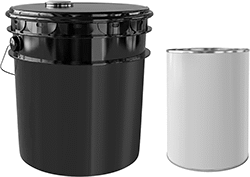 |
Tested to meet ASTM E595, a standard used by NASA, these potting compounds release almost no volatile emissions that could damage sensitive electronics, even in a vacuum. Use them to draw heat away from your components—they conduct heat better than standard potting compounds. Made of epoxy, they’re the strongest of the potting compounds, so they’re rigid and wear resistant. They’ll also resist breaking down from chemicals and moisture. These compounds are excellent at insulating current, and they’ll shield against dust, vibration, and shock.
To apply, mix the two parts together and pour them over components inside a container, such as a potting box.
Dry Time | |||||||||||||||||||||||||||||||||||||||||||||||||||||||||||||||||||||||||||||||||||||||||||||||||||
|---|---|---|---|---|---|---|---|---|---|---|---|---|---|---|---|---|---|---|---|---|---|---|---|---|---|---|---|---|---|---|---|---|---|---|---|---|---|---|---|---|---|---|---|---|---|---|---|---|---|---|---|---|---|---|---|---|---|---|---|---|---|---|---|---|---|---|---|---|---|---|---|---|---|---|---|---|---|---|---|---|---|---|---|---|---|---|---|---|---|---|---|---|---|---|---|---|---|---|---|
Container Size, fl. oz. | Consistency | Touch | Overall, hr. | Mix Ratio | Dielectric Strength, V/mil | Thermal Conductivity, W/(m⋅°C) | Temp. Range, ° F | Heating Req. to Reach Full Strength | Specs. Met | For Use On | Color | Clarity | Each | ||||||||||||||||||||||||||||||||||||||||||||||||||||||||||||||||||||||||||||||||||||||
Pail and Can Potting Compounds—Extra Hard | |||||||||||||||||||||||||||||||||||||||||||||||||||||||||||||||||||||||||||||||||||||||||||||||||||
| 32 | Thick Liquid | 45 min. | 24 | 100:8.5 | 365 | 1.25 | -40 to 265 | — | ASTM E595 | Aluminum, Brass, Bronze, Copper, Steel, Stainless Steel, Plastic | Black | Opaque | 9263N13 | 0000000 | |||||||||||||||||||||||||||||||||||||||||||||||||||||||||||||||||||||||||||||||||||||
| 32 | Thick Liquid | 4 hr. | 12 | 100:14 | 450 | 0.55 | -65 to 310 | 12 Hrs. @ 175°F | ASTM E595 | Aluminum, Brass, Bronze, Copper, Steel, Stainless Steel, Plastic | Black | Opaque | 9263N15 | 000000 | |||||||||||||||||||||||||||||||||||||||||||||||||||||||||||||||||||||||||||||||||||||
Conductive Surface Filler Pens for Electronics
 |
Acrylic Plastic |
 |
Epoxy |
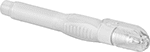
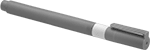
Dispense ready-to-use conductive liquid to fill pits and small gaps on circuit board components. These pens are also used to sketch and repair conductive pathways.
Carbon Filled—Carbon acrylic plastic pens should be used where only a small amount of conductivity is needed, such as circuit boards in keyboards. Their high surface resistivity only allows a small current to pass.
Nickel Filled—Nickel acrylic plastic pens are best for general purpose repairs, such as bridges and traces in printed circuit boards. They have a medium surface resistivity, so they're a good balance between carbon acrylic and silver epoxy pens.
Silver Filled—Silver epoxy pens are the most versatile—use them for any type of repair as well as for repairs that require excellent conductivity, such as connecting through holes on circuit boards without adding jumpers, wiring, or solder. Since they have the lowest surface resistivity, they allow the most current to pass.
Cannot Be Sold To—Product labeling requirements restrict sales to the listed areas.
Container | Tip | Temp. Range, ° F | |||||||||||||||||||||||||||||||||||||||||||||||||||||||||||||||||||||||||||||||||||||||||||||||||
|---|---|---|---|---|---|---|---|---|---|---|---|---|---|---|---|---|---|---|---|---|---|---|---|---|---|---|---|---|---|---|---|---|---|---|---|---|---|---|---|---|---|---|---|---|---|---|---|---|---|---|---|---|---|---|---|---|---|---|---|---|---|---|---|---|---|---|---|---|---|---|---|---|---|---|---|---|---|---|---|---|---|---|---|---|---|---|---|---|---|---|---|---|---|---|---|---|---|---|---|
Size, fl. oz. | Type | Dia. | Shape | Begins to Harden, min. | Reaches Full Strength | Surface Resistivity, ohm/sq. | Consistency | Mixing Req. | Thermal Conductivity | Max. Thk. | For Use Outdoors | Min. | Max. | Color | For Use On | Cannot Be Sold To | Each | ||||||||||||||||||||||||||||||||||||||||||||||||||||||||||||||||||||||||||||||||||
Carbon Acrylic Plastic | |||||||||||||||||||||||||||||||||||||||||||||||||||||||||||||||||||||||||||||||||||||||||||||||||||
| 0.2 | Pen | 0.06" | Point | 2 | 24 hr. | 100 | Thin Liquid | No | Not Rated | 0.003" | Yes | -40 | 245 | Black | Plastic | Canada | 7502N11 | 000000 | |||||||||||||||||||||||||||||||||||||||||||||||||||||||||||||||||||||||||||||||||
Nickel Acrylic Plastic | |||||||||||||||||||||||||||||||||||||||||||||||||||||||||||||||||||||||||||||||||||||||||||||||||||
| 0.2 | Pen | 0.06" | Point | 2 | 24 hr. | 0.49 | Thin Liquid | No | Not Rated | 0.004" | Yes | -40 | 245 | Gray | Plastic | Canada | 7502N12 | 00000 | |||||||||||||||||||||||||||||||||||||||||||||||||||||||||||||||||||||||||||||||||
Silver Epoxy | |||||||||||||||||||||||||||||||||||||||||||||||||||||||||||||||||||||||||||||||||||||||||||||||||||
| 0.2 | Pen | 0.03" | Point | 3 | 60 min. | 0.050 | Thin Liquid | No | Not Rated | Not Rated | No | -65 | 300 | Silver | Aluminum, Brass, Bronze, Copper, Steel, Stainless Steel, Titanium | Outside United States and Canada | 7365A44 | 00000 | |||||||||||||||||||||||||||||||||||||||||||||||||||||||||||||||||||||||||||||||||
Heavy Duty Heat-Transfer Conformal Coatings
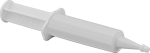 |
These thermally conductive coatings keep electrical components cool by dissipating heat. Use them to bond transformers, transistors, and other heat-generating components to printed circuit boards and heat sinks. They require a gun (sold separately) to dispense.
Dry Time | |||||||||||||||||||||||||||||||||||||||||||||||||||||||||||||||||||||||||||||||||||||||||||||||||||
|---|---|---|---|---|---|---|---|---|---|---|---|---|---|---|---|---|---|---|---|---|---|---|---|---|---|---|---|---|---|---|---|---|---|---|---|---|---|---|---|---|---|---|---|---|---|---|---|---|---|---|---|---|---|---|---|---|---|---|---|---|---|---|---|---|---|---|---|---|---|---|---|---|---|---|---|---|---|---|---|---|---|---|---|---|---|---|---|---|---|---|---|---|---|---|---|---|---|---|---|
Container Size, fl. oz. | Consistency | Touch, min. | Overall, hr. | Mixing Req. | Dielectric Strength, V/mil | Thermal Conductivity, W/(m⋅°C) | Temp. Range, ° F | For Use On | Color | Each | |||||||||||||||||||||||||||||||||||||||||||||||||||||||||||||||||||||||||||||||||||||||||
Acrylic Plastic—Extra Hard | |||||||||||||||||||||||||||||||||||||||||||||||||||||||||||||||||||||||||||||||||||||||||||||||||||
Syringe | |||||||||||||||||||||||||||||||||||||||||||||||||||||||||||||||||||||||||||||||||||||||||||||||||||
| 1 | Paste | 5 | 2 | No | 750 | 0.864 | -85 to 347 | Aluminum, Brass, Bronze, Copper, Steel, Stainless Steel, Cast Iron, Iron, Silver, Plastic, Rubber, Composite, Fiberglass | White | 1688N12 | 000000 | ||||||||||||||||||||||||||||||||||||||||||||||||||||||||||||||||||||||||||||||||||||||||
High-Temperature Epoxy Potting Compounds
 |
Jar and Syringe |
 |
Bottle |
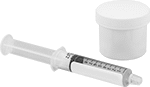
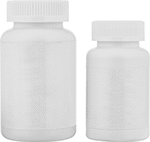
Protect circuit boards and other electronics where high heat is a concern but you don’t need to transfer that heat elsewhere. These compounds are a good middle ground between standard epoxy compounds and heat-transfer compounds. They work at temperatures twice as high as standard epoxy compounds. However, they don't conduct heat as well as heat-transfer compounds so they're not the best choice for circuit boards that run for long periods of time. Harden these compounds at room temperature—they don’t require an oven to harden like heat-transfer compounds do.
Since they’re an epoxy compound, they won’t break down from chemicals or moisture. They’re also excellent electrical insulators and withstand a wide range of temperatures. Use them to shield components from dust, moisture, chemicals, mechanical shock, and vibration.
Jar and Syringe—Jar and syringe compounds are the consistency of honey once they’re mixed, so they’ll seep into the crevices of a circuit board and encapsulate intricate components. Use the syringe for precise application.
Bottle—Bottle compounds are easier to apply in higher volumes than jar and syringe compounds. Mix them together and pour them over components inside containers, such as a potting box. If air bubbles occur after mixing, you can put the mixture in a vacuum chamber to remove them.
Cannot Be Sold to Canada—Some compounds cannot be sold to Canada due to product labeling requirements.
Dry Time | |||||||||||||||||||||||||||||||||||||||||||||||||||||||||||||||||||||||||||||||||||||||||||||||||||
|---|---|---|---|---|---|---|---|---|---|---|---|---|---|---|---|---|---|---|---|---|---|---|---|---|---|---|---|---|---|---|---|---|---|---|---|---|---|---|---|---|---|---|---|---|---|---|---|---|---|---|---|---|---|---|---|---|---|---|---|---|---|---|---|---|---|---|---|---|---|---|---|---|---|---|---|---|---|---|---|---|---|---|---|---|---|---|---|---|---|---|---|---|---|---|---|---|---|---|---|
Container Size, fl. oz. | Consistency | Viscosity, cP | Touch | Overall, hr. | Dielectric Strength, V/mil | Thermal Conductivity, W/(m⋅°C) | Max. Temp., ° F | For Use On | Cannot Be Sold To | Each | |||||||||||||||||||||||||||||||||||||||||||||||||||||||||||||||||||||||||||||||||||||||||
Jar and Syringe Potting Compounds—Extra Hard | |||||||||||||||||||||||||||||||||||||||||||||||||||||||||||||||||||||||||||||||||||||||||||||||||||
| 1 | Thick Liquid | 3,600 | 12 hr. | 24 | 450 | 0.22 | 500 | Aluminum, Brass, Bronze, Copper, Steel, Stainless Steel, Plastic, Rubber, Composite, Fiberglass, Ceramic, Glass | — | 5996N11 | 000000 | ||||||||||||||||||||||||||||||||||||||||||||||||||||||||||||||||||||||||||||||||||||||||
Bottle Potting Compounds—Extra Hard | |||||||||||||||||||||||||||||||||||||||||||||||||||||||||||||||||||||||||||||||||||||||||||||||||||
| 12.6 | Paste | 22,000 | 60 min. | 24 | 470 | 0.3 | 435 | Aluminum, Brass, Bronze, Copper, Steel, Stainless Steel, Plastic, Rubber, Composite, Fiberglass, Ceramic, Glass | Canada | 5996N12 | 00000 | ||||||||||||||||||||||||||||||||||||||||||||||||||||||||||||||||||||||||||||||||||||||||
Adjustable-Hardness Heat-Transfer Epoxy Potting Compounds
 |  |
Jars | Jars and Syringes |
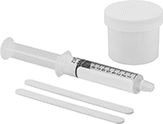
Mixing required—resin and hardener come in two separate jars or in a jar and syringe and must be combined before applying. Change the mix ratio of these heat-transfer potting compounds to achieve the right hardness for your application. They're formulated to draw heat away from sensitive electronic components, so they have higher thermal conductivity than standard potting compounds. Use them to encase electronic assemblies for protection from dust, chemicals, moisture, mechanical shock, and vibration. Rigid and wear resistant, epoxies are the strongest of the potting compounds. They have excellent chemical and moisture resistance, withstand a wide range of temperatures, and provide excellent electrical insulation.
The size listed is the combined total of the two parts.
Dry Time | |||||||||||||||||||||||||||||||||||||||||||||||||||||||||||||||||||||||||||||||||||||||||||||||||||
|---|---|---|---|---|---|---|---|---|---|---|---|---|---|---|---|---|---|---|---|---|---|---|---|---|---|---|---|---|---|---|---|---|---|---|---|---|---|---|---|---|---|---|---|---|---|---|---|---|---|---|---|---|---|---|---|---|---|---|---|---|---|---|---|---|---|---|---|---|---|---|---|---|---|---|---|---|---|---|---|---|---|---|---|---|---|---|---|---|---|---|---|---|---|---|---|---|---|---|---|
Container Size, fl. oz. | Consistency | Touch, min. | Overall, hr. | Hardness Rating | Dielectric Strength, V/mil | Thermal Conductivity, W/(m⋅°C) | Temp. Range, ° F | Heating Req. to Reach Full Strength | For Use On | Color | Each | ||||||||||||||||||||||||||||||||||||||||||||||||||||||||||||||||||||||||||||||||||||||||
Jars | |||||||||||||||||||||||||||||||||||||||||||||||||||||||||||||||||||||||||||||||||||||||||||||||||||
| 12 | Thick Liquid | 30 | 24 | Extra Hard, Medium Hard, Medium Soft, Soft | 450 | 1 | -100 to 450 | — | Aluminum, Brass, Bronze, Copper, Steel, Stainless Steel, Plastic, Ceramic, Glass | Tan | 6196T1 | 0000000 | |||||||||||||||||||||||||||||||||||||||||||||||||||||||||||||||||||||||||||||||||||||||
| 24 | Thick Liquid | 30 | 24 | Extra Hard, Medium Hard, Medium Soft, Soft | 450 | 1 | -100 to 450 | — | Aluminum, Brass, Bronze, Copper, Steel, Stainless Steel, Plastic, Ceramic, Glass | Tan | 6196T2 | 000000 | |||||||||||||||||||||||||||||||||||||||||||||||||||||||||||||||||||||||||||||||||||||||
Jars and Syringes | |||||||||||||||||||||||||||||||||||||||||||||||||||||||||||||||||||||||||||||||||||||||||||||||||||
| 1.6 | Thick Liquid | 30 | 26 | Extra Hard, Medium Hard, Medium Soft, Soft | 450 | 1.01 | -100 to 450 | 2 Hrs. @ 250°F | Aluminum, Brass, Bronze, Copper, Steel, Stainless Steel, Plastic, Ceramic, Glass | Tan | 6196T3 | 00000 | |||||||||||||||||||||||||||||||||||||||||||||||||||||||||||||||||||||||||||||||||||||||
