We will reply to your message within an hour.
More
Made from silicone, these sealants are RTV (room-temperature vulcanizing).
These sealants include a material certificate with traceable lot number, test report, and product shelf life.
Resistant to mold and mildew, these sealants are well suited to high-humidity environments.
Thinner than non-sagging sealants, these flow easily into cracks and have a smooth finish.
Tested to meet ASTM E595, a standard used by NASA, these sealants fill joints and seams while releasing almost no volatile emissions that could damage sensitive electronics, even in a vacuum.
Also known as neutral-cure sealants, these won't discolor copper, brass, and concrete.
This sealant includes a material certificate with traceable lot number, test report, and product shelf life.
Clear enough to read through, these UV-resistant sealants allow optimal light transmission for use with solar cells and fiber optics.
A combination of hardness and surface tension makes these sealants resistant to punctures, cuts, and abrasion.
Thinner than non-sagging sealants, this sealant flows easily into cracks and has a smooth finish.
Apply these sealants in cold temperatures, on wet surfaces, and even through running water.
Clear enough to read through, this UV-resistant sealant allows optimal light transmission for use with solar cells and fiber optics.
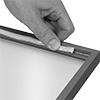
Press this adhesive-backed plastic tape into place for an immediate light-duty seal.
Also known as thumb-grade caulk, this forms a non-hardening, moisture-resistant seal that remains pliable.
Make temporary waterproof seals that peel off when no longer needed.
Mix a small amount of water-based paint with this caulk to match the color of your surface.
These structural sealants combine the mechanical strength of an adhesive with excellent sealing properties and high flexibility.
Also known as neutral cure, this sealant won't discolor copper, brass, plastic, and concrete.
Made from silicone, these sealants are RTV (room-temperature vulcanizing). They combine the mechanical strength of an adhesive with excellent sealing properties and high flexibility.
Seal leaks on vacuum systems and components.
These sealants are marine grade, so they stand up to water, corrosion from salt spray, mildew, and UV light.
The strongest submersible sealants we offer, these combine the mechanical strength of an adhesive with excellent sealing properties and high flexibility.
Designed to withstand extreme environments, these fluoroelastomer sealants have excellent resistance to harsh chemicals. They’re non-sagging, so they won't drip from vertical and overhead surfaces.
Make tough, flexible, oil-resistant seals.
These non-sagging sealants will not drip while hardening on vertical and overhead surfaces.
Designed for use on ovens and kilns, these sealants form a durable, rock-hard seal after firing.
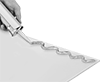
Thinner than non-sag sealants, these flow easily into cracks and have a smooth finish.
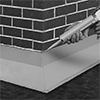
The textured finish matches concrete surfaces.
Seal glass windows in metal and wood fire-rated doors.
Press this pliable rope into place to hold glass in window frames and seal leaks.
These sealants don't degrade in sunlight.
Also known as glazing compounds, use these sealants to install glass in aluminum, steel, and wood framing.
Repair equipment and vehicle windows with these sealants that are rated to withstand impact within three hours of application.
Make seals that support glass under heavy loads in equipment and buildings.
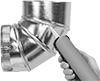
Seal metal-to-metal joints in ductwork.
Form flexible water-resistant seals on metal, plastic, and rubber joints in heating, ventilation, air conditioning, and refrigeration applications.
Fix roof leaks in cold and wet conditions. These sealants can even be applied underwater.
These sealants are non-sagging, so they won't drip from vertical and overhead surfaces.
Protect motor winding wire, transformers, and other metal electrical parts from oils, chemicals, and moisture with these abrasion- and wear-resistant coatings.
Clear enough to read through, these UV-resistant potting compounds allow optimal light transmission for use with LEDs, solar cells, and fiber optics.
Tested to meet ASTM E595, a standard used by NASA, these compounds produce almost no volatile emissions that could damage sensitive electronics, even in a vacuum. Light passes through them easily, so they’re ideal for protecting solar cells and fiber optics.
No mixing required—these potting compounds come ready to apply.
Make repairs or changes to electrical components after they’ve been potted. While most compounds are permanent, these form a gel that bonds to itself, so you can peel it off without damaging your equipment.
These compounds dry quickly when exposed to UV light allowing you to handle the potted items sooner.
Protect circuit boards and other electronics where high heat is a concern but you don’t need to transfer that heat elsewhere. These compounds are a good middle ground between standard epoxy compounds and heat-transfer compounds.
Tough enough to be permanently submersed in seawater, these compounds protect sensitive electronics, such as circuit boards, semiconductors, and sensors in harsh environments.
The strongest of the potting compounds, epoxies are rigid and wear resistant. They have excellent chemical and moisture resistance, withstand a wide range of temperatures, and provide excellent electrical insulation.
Change the mix ratio of these heat-transfer potting compounds to achieve the right hardness for your application.
Formulated to draw heat away from sensitive electronic components, these potting compounds have higher thermal conductivity than standard potting compounds.
Tested to meet ASTM E595, a standard used by NASA, these potting compounds release almost no volatile emissions that could damage sensitive electronics, even in a vacuum. Use them to draw heat away from your components—they conduct heat better than standard potting compounds.
Handle potted items within minutes—these potting compounds dry quickly when exposed to UV light. For added strength and durability, cure them with heat.
Protect circuit boards and other electronics from fire and heat.
Combine the flexibility of silicone with the durability of standard epoxy—these compounds are great for protecting sensitive electronics that need to flex or expand and contract.
In just 20 seconds under a UV light, these urethane compounds form into a strong protective layer on electrical components.
Urethanes withstand a wide range of temperatures and are the best choice for cold-temperature applications. They have excellent flexibility, good chemical and moisture resistance, and provide good electrical insulation.
From shore to sea floor, these potting compounds are formulated for permanent submersion in water—even salt water. Use them to protect circuits and splices in pumps and underwater lighting, as well as other underwater electronics from corrosion and chemicals.
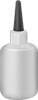
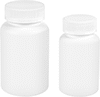
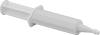
These coatings require an ultraviolet curing lamp to reach full strength.
This coating is formulated for use in sensitive applications such as manufacturing semiconductors.
High humidity, harsh chemicals, water submersions, and salt are no match for these electronic coatings.
Thinner than potting compounds, these rigid and wear-resistant coatings flow easily into small spaces between electrical components. Use them to secure and insulate hardware on printed circuit boards.
This thermally conductive coating keeps electrical components cool by dissipating heat.
Hide proprietary information on electrical components while also protecting them from moisture, dust, and static. All it takes is a single thin layer of these black coatings.
Protect LEDs, solar cells, and fiber optics with a coating that’s clear enough to see through. These coatings let optimal light pass through and repel dust and moisture, so they won’t distort your view of what’s underneath.
Also known as conformal coatings, these coatings protect circuit boards and other electronics from moisture, dust, and static.
Protect sensitive electronics at the molecular level—these ultra-thin, ultra-conformal coatings cover every inch of your components for applications where failure isn’t an option.
Coat electronics for durability in tough conditions while blocking EMI/RFI signals.
Urethane adhesives are the most flexible, so they bond dissimilar materials and damp vibration.
Bond glass and stone to drywall, treated lumber, and subfloors.
An insulated handle protects against shock from accidental contact with live electrical circuits. These files meet IEC 60900 and ASTM F1505 standards, so they’re certified to protect you from a maximum of 1,000 volts of electricity.