


Filter by
Point Diameter
Material
Point Type
Shank Type


Point Length
U.S.–Mexico–Canada Agreement (USMCA) Qualifying
Export Control Classification Number (ECCN)

RoHS
DFARS Specialty Metals

Performance
Finish
Dead Centers
 |
Standard Point |
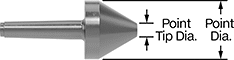 |
Bull-Nose Point |
Insert these in your headstock to support your workpiece when machining between centers. Unlike live centers, dead centers don’t spin freely, so they give you a fixed point to stabilize your material. You can also use them in the tailstock to support the end of the workpiece when friction isn’t a concern. Made of through-hardened 52100 alloy steel—a material originally developed for bearings—these centers have exceptional hardness, strength, and wear resistance. That means you'll have to replace them less often than centers made of low-quality steel. You can also apply high-pressure grease on the point to reduce friction and wear.
Bull-Nose Point—Bull-nose centers are ideal for hollow workpieces such as pipe and tubing.
Carbide-Tipped Steel—Carbide-tipped hardened steel dead centers have better wear resistance than hardened steel dead centers. They’re ideal for high-volume work and holding highly abrasive and hard materials.
Steel | Carbide-Tipped Steel | ||||||||||||||||||||||||||||||||||||||||||||||||||||||||||||||||||||||||||||||||||||||||||||||||||
|---|---|---|---|---|---|---|---|---|---|---|---|---|---|---|---|---|---|---|---|---|---|---|---|---|---|---|---|---|---|---|---|---|---|---|---|---|---|---|---|---|---|---|---|---|---|---|---|---|---|---|---|---|---|---|---|---|---|---|---|---|---|---|---|---|---|---|---|---|---|---|---|---|---|---|---|---|---|---|---|---|---|---|---|---|---|---|---|---|---|---|---|---|---|---|---|---|---|---|---|
Machine Taper No. | Point Dia. | Point Tip Dia. | Point Lg. | Overall Lg. | Total Indicated Runout (TIR) Accuracy | Each | Each | ||||||||||||||||||||||||||||||||||||||||||||||||||||||||||||||||||||||||||||||||||||||||||||
Standard Point | |||||||||||||||||||||||||||||||||||||||||||||||||||||||||||||||||||||||||||||||||||||||||||||||||||
| Morse 1 | 0.475" | — | 1 3/16" | 3 5/16" | 0.00005" | 000000 | 0000000 | 00000000 | 0000000 | ||||||||||||||||||||||||||||||||||||||||||||||||||||||||||||||||||||||||||||||||||||||||||
| Morse 2 | 0.7" | — | 1 5/8" | 4 3/16" | 0.00005" | 0000000 | 000000 | 0000000 | 000000 | ||||||||||||||||||||||||||||||||||||||||||||||||||||||||||||||||||||||||||||||||||||||||||
| Morse 3 | 0.938" | — | 2 1/16" | 5 1/4" | 0.00005" | 0000000 | 000000 | 0000000 | 000000 | ||||||||||||||||||||||||||||||||||||||||||||||||||||||||||||||||||||||||||||||||||||||||||
| Morse 4 | 1.231" | — | 2 11/16" | 6 3/4" | 0.00005" | 0000000 | 000000 | 0000000 | 000000 | ||||||||||||||||||||||||||||||||||||||||||||||||||||||||||||||||||||||||||||||||||||||||||
| Morse 5 | 1.748" | — | 3 5/16" | 8 1/2" | 0.00005" | 0000000 | 000000 | 0000000 | 000000 | ||||||||||||||||||||||||||||||||||||||||||||||||||||||||||||||||||||||||||||||||||||||||||
| Morse 6 | 2.494" | — | 4 1/4" | 11 1/2" | 0.00005" | 0000000 | 000000 | 0000000 | 000000 | ||||||||||||||||||||||||||||||||||||||||||||||||||||||||||||||||||||||||||||||||||||||||||
| Morse 7 | 3.27" | — | 5" | 15" | 0.00005" | 0000000 | 000000 | 0000000 | 00000000 | ||||||||||||||||||||||||||||||||||||||||||||||||||||||||||||||||||||||||||||||||||||||||||
Bull-Nose Point | |||||||||||||||||||||||||||||||||||||||||||||||||||||||||||||||||||||||||||||||||||||||||||||||||||
| Morse 2 | 2.13" | 1/2" | 2 13/32" | 5" | 0.00005" | 0000000 | 000000 | ——— | 0 | ||||||||||||||||||||||||||||||||||||||||||||||||||||||||||||||||||||||||||||||||||||||||||
| Morse 3 | 2.75" | 1" | 2 33/64" | 5 3/4" | 0.00005" | 0000000 | 000000 | 0000000 | 00000000 | ||||||||||||||||||||||||||||||||||||||||||||||||||||||||||||||||||||||||||||||||||||||||||
| Morse 4 | 2.75" | 1" | 2 33/64" | 6 9/16" | 0.00005" | 0000000 | 000000 | 0000000 | 00000000 | ||||||||||||||||||||||||||||||||||||||||||||||||||||||||||||||||||||||||||||||||||||||||||
| Morse 5 | 3.5" | 1" | 3 11/64" | 8 3/8" | 0.00005" | 0000000 | 000000 | ——— | 0 | ||||||||||||||||||||||||||||||||||||||||||||||||||||||||||||||||||||||||||||||||||||||||||
Interchangeable Point Lathe Centers
Center Points
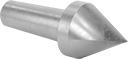 | 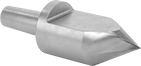 | 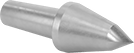 |
Standard Point | Half Point | Extended-Tip Point Precision |
For Machine Taper No. | Point Dia. | Point Tip Dia. | Point Lg. | Point Angle | Material | Each | |||||||||||||||||||||||||||||||||||||||||||||||||||||||||||||||||||||||||||||||||||||||||||||
|---|---|---|---|---|---|---|---|---|---|---|---|---|---|---|---|---|---|---|---|---|---|---|---|---|---|---|---|---|---|---|---|---|---|---|---|---|---|---|---|---|---|---|---|---|---|---|---|---|---|---|---|---|---|---|---|---|---|---|---|---|---|---|---|---|---|---|---|---|---|---|---|---|---|---|---|---|---|---|---|---|---|---|---|---|---|---|---|---|---|---|---|---|---|---|---|---|---|---|---|
Standard Point | |||||||||||||||||||||||||||||||||||||||||||||||||||||||||||||||||||||||||||||||||||||||||||||||||||
Dead | |||||||||||||||||||||||||||||||||||||||||||||||||||||||||||||||||||||||||||||||||||||||||||||||||||
| Morse 3 | 1" | 1/2" | 1 3/8" | — | Carbide-Tipped Steel | 0000000 | 0000000 | ||||||||||||||||||||||||||||||||||||||||||||||||||||||||||||||||||||||||||||||||||||||||||||
| Morse 4 | 1" | 1/2" | 1 3/8" | — | Carbide-Tipped Steel | 0000000 | 000000 | ||||||||||||||||||||||||||||||||||||||||||||||||||||||||||||||||||||||||||||||||||||||||||||
| Morse 5 | 1.25" | 5/8" | 1 11/16" | — | Carbide-Tipped Steel | 0000000 | 000000 | ||||||||||||||||||||||||||||||||||||||||||||||||||||||||||||||||||||||||||||||||||||||||||||
Precision Live and Dead | |||||||||||||||||||||||||||||||||||||||||||||||||||||||||||||||||||||||||||||||||||||||||||||||||||
| Morse 2, Morse 3 | 1" | — | 1 11/64" | — | Steel | 0000000 | 000000 | ||||||||||||||||||||||||||||||||||||||||||||||||||||||||||||||||||||||||||||||||||||||||||||
| Morse 4 | 1.13" | — | 1 19/64" | — | Steel | 0000000 | 000000 | ||||||||||||||||||||||||||||||||||||||||||||||||||||||||||||||||||||||||||||||||||||||||||||
| Morse 5 | 1.5" | — | 1 21/32" | — | Steel | 0000000 | 000000 | ||||||||||||||||||||||||||||||||||||||||||||||||||||||||||||||||||||||||||||||||||||||||||||
Bull-Nose Point | |||||||||||||||||||||||||||||||||||||||||||||||||||||||||||||||||||||||||||||||||||||||||||||||||||
Precision Live and Dead | |||||||||||||||||||||||||||||||||||||||||||||||||||||||||||||||||||||||||||||||||||||||||||||||||||
| Morse 2, Morse 3 | 1.75" | 7/8" | 1 11/64" | 60° | Steel | 0000000 | 000000 | ||||||||||||||||||||||||||||||||||||||||||||||||||||||||||||||||||||||||||||||||||||||||||||
| Morse 4 | 2.25" | 1" | 1 35/64" | 60° | Steel | 0000000 | 000000 | ||||||||||||||||||||||||||||||||||||||||||||||||||||||||||||||||||||||||||||||||||||||||||||
| Morse 5 | 2.75" | 1 1/2" | 1 37/64" | 60° | Steel | 0000000 | 000000 | ||||||||||||||||||||||||||||||||||||||||||||||||||||||||||||||||||||||||||||||||||||||||||||
Half Point | |||||||||||||||||||||||||||||||||||||||||||||||||||||||||||||||||||||||||||||||||||||||||||||||||||
Dead | |||||||||||||||||||||||||||||||||||||||||||||||||||||||||||||||||||||||||||||||||||||||||||||||||||
| Morse 3 | 1" | 1/4" | 2" | — | Steel | 0000000 | 000000 | ||||||||||||||||||||||||||||||||||||||||||||||||||||||||||||||||||||||||||||||||||||||||||||
| Morse 4 | 1.13" | 1/4" | 2 35/64" | — | Steel | 000000 | 000000 | ||||||||||||||||||||||||||||||||||||||||||||||||||||||||||||||||||||||||||||||||||||||||||||
| Morse 5 | 1.5" | 3/8" | 3 1/16" | — | Steel | 0000000 | 000000 | ||||||||||||||||||||||||||||||||||||||||||||||||||||||||||||||||||||||||||||||||||||||||||||
Extended-Tip Point | |||||||||||||||||||||||||||||||||||||||||||||||||||||||||||||||||||||||||||||||||||||||||||||||||||
Precision Live and Dead | |||||||||||||||||||||||||||||||||||||||||||||||||||||||||||||||||||||||||||||||||||||||||||||||||||
| Morse 2, Morse 3 | 0.75" | 3/8" | 1 19/64" | — | Steel | 0000000 | 000000 | ||||||||||||||||||||||||||||||||||||||||||||||||||||||||||||||||||||||||||||||||||||||||||||
| Morse 4 | 0.8" | 1/2" | 1 51/64" | — | Steel | 0000000 | 000000 | ||||||||||||||||||||||||||||||||||||||||||||||||||||||||||||||||||||||||||||||||||||||||||||
| Morse 5 | 1.2" | 1/2" | 2 1/8" | — | Steel | 0000000 | 000000 | ||||||||||||||||||||||||||||||||||||||||||||||||||||||||||||||||||||||||||||||||||||||||||||
Center Bodies
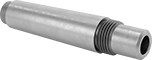 |
Dead |
Total Indicated Runout (TIR) Accuracy—TIR (total indicated runout) is a measure of rotational smoothness—the lower the value, the less wobble a rotating tool will have and the more accurate it will be.
Lathe Centers | Extractors | Hex Nuts | |||||||||||||||||||||||||||||||||||||||||||||||||||||||||||||||||||||||||||||||||||||||||||||||||
|---|---|---|---|---|---|---|---|---|---|---|---|---|---|---|---|---|---|---|---|---|---|---|---|---|---|---|---|---|---|---|---|---|---|---|---|---|---|---|---|---|---|---|---|---|---|---|---|---|---|---|---|---|---|---|---|---|---|---|---|---|---|---|---|---|---|---|---|---|---|---|---|---|---|---|---|---|---|---|---|---|---|---|---|---|---|---|---|---|---|---|---|---|---|---|---|---|---|---|---|
Total Indicated Runout (TIR) Accuracy | Head Dia. | Overall Lg. | Material | Each | Each | Pkg. Qty. | Pkg. | ||||||||||||||||||||||||||||||||||||||||||||||||||||||||||||||||||||||||||||||||||||||||||||
Dead | |||||||||||||||||||||||||||||||||||||||||||||||||||||||||||||||||||||||||||||||||||||||||||||||||||
| 0.00025" | 3/4" | 4 3/8" | Steel | 0000000 | 0000000 | 0000000 | 000000 | 25 | 000000000 | 000000 | |||||||||||||||||||||||||||||||||||||||||||||||||||||||||||||||||||||||||||||||||||||||||
| 0.00025" | 1" | 5 1/2" | Steel | 0000000 | 000000 | 0000000 | 00000 | 10 | 000000000 | 00000 | |||||||||||||||||||||||||||||||||||||||||||||||||||||||||||||||||||||||||||||||||||||||||
| 0.00025" | 1 1/4" | 6 13/16" | Steel | 0000000 | 000000 | 0000000 | 00000 | 1 | 000000000 | 0000 | |||||||||||||||||||||||||||||||||||||||||||||||||||||||||||||||||||||||||||||||||||||||||
Interchangeable Point Lathe Center Sets
Dead Lathe Center
 |
Carbide-tipped points are more wear resistant than hardened steel points. They're a good choice for high-volume operations and for holding hard or highly abrasive materials.
Use dead centers in your headstock to support a workpiece when machining between centers. When friction isn’t a concern, you can also use them in the tailstock to support the end of a workpiece. Dead centers don’t spin freely, so they provide a fixed point that stabilizes your workpiece. They can handle heavier loads than live centers. However, under high pressure, they can become lodged in the tailstock. To remove them without damaging your equipment, tighten a hex nut (sold separately) onto the threaded end. Use a wrench to turn the nut against the tailstock and push the center out.
Extended-tip points are shaped to provide more tool clearance than standard points without adding much length. They’re also used for machining complex shapes and features.
Half points are cut away on one side to hold shafts with keyways, flats, or irregular shapes. They’re used only in dead centers.
Total Indicated Runout (TIR) Accuracy—TIR (total indicated runout) is a measure of rotational smoothness. The lower the value, the less wobble a rotating tool will have and the more accurate it will be.
Machine Taper No. | Total Indicated Runout (TIR) Accuracy | Head Dia. | Thread Size | Shank Lg. | Overall Lg. | Material | No. of Pieces | Includes | Each | ||
|---|---|---|---|---|---|---|---|---|---|---|---|
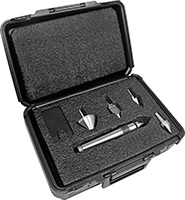
| Morse 3 | 0.00025" | 3/4" | 7/8"-14 | 3 3/16" | 4 3/8" | Steel | 7 | 0.75" dia. Hardened Steel Extended-Tip Point, 1" dia. Carbide-Tipped Hardened Steel Standard Point, 1" dia. Hardened Steel Half Point, 1" dia. Hardened Steel Standard Point, 1.75" dia. Hardened Steel Bull-Nose Point, Dead Center Body, Point Extractor | 0000000 | 000000000 | |
| Morse 4 | 0.00025" | 1" | 1 1/8"-12 | 4 1/16" | 5 1/2" | Steel | 7 | 0.8" dia. Hardened Steel Extended-Tip Point, 1" dia. Carbide-Tipped Hardened Steel Standard Point, 1.13" dia. Hardened Steel Half Point, 1.13" dia. Hardened Steel Standard Point, 2.25" dia. Hardened Steel Bull-Nose Point, Dead Center Body, Point Extractor | 0000000 | 00000000 | |
| Morse 5 | 0.00025" | 1 1/4" | 1 5/8"-12 | 5 3/16" | 6 13/16" | Steel | 7 | 1.2" dia. Hardened Steel Extended-Tip Point, 1.25" dia. Carbide-Tipped Hardened Steel Standard Point, 1.5" dia. Hardened Steel Half Point, 1.5" dia. Hardened Steel Standard Point, 2.75" dia Hardened Steel Bull-Nose Point, Dead Center Body, Point Extractor | 0000000 | 00000000 |
