



Filter by
For Use On
Container Type


Specifications Met
Container Size
Solution Type
Material
U.S.–Mexico–Canada Agreement (USMCA) Qualifying
Export Control Classification Number (ECCN)

REACH
RoHS
DFARS Specialty Metals
Housing Material
Passivating Cleaners
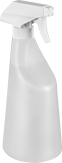 |
Spray Bottle |
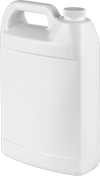 |
Jug |
Restore and maintain the surface layer on stainless steel that protects it from corrosion. Also known as passivating fluids, these cleaners are made from citric acid, which removes iron from the surface of stainless steel that has been damaged from machining, heat, or chemicals. This exposes the chromium in stainless steel and reacts with air to form a protective layer. These cleaners also remove dirt, discoloration, and minor corrosion. Unlike nitric acid and other passivating fluids, citric acid does not create dangerous fumes and is safe for use throughout your plant. These cleaners come ready-to-use, so you don’t have to mix them, but you can dilute them with water for 400-series stainless steel and other sensitive parts.
These cleaners meet SAE and ASTM international guidelines for passivating stainless steel. They also meet ASTM international guidelines for descaling and cleaning titanium and titanium alloys.
Liquids—Liquid cleaners are thinner than gel cleaners, making them ideal for submerging parts. When spot cleaning, however, they will drip down vertical surfaces.
Gels—Gel cleaners are thicker than liquid cleaners, so they cling to surfaces. Use them on vertical surfaces, weld joints, and other parts that can’t be submerged.
For Removing Dirt—Cleaners for removing dirt only are less acidic and won’t discolor 400-series stainless steel. Do not use them on parts that have rust.
For Removing Dirt and Rust—Cleaners for removing dirt and rust contain an additive that eliminates existing rust.
Container | |||||||||||||||||||||||||||||||||||||||||||||||||||||||||||||||||||||||||||||||||||||||||||||||||||
|---|---|---|---|---|---|---|---|---|---|---|---|---|---|---|---|---|---|---|---|---|---|---|---|---|---|---|---|---|---|---|---|---|---|---|---|---|---|---|---|---|---|---|---|---|---|---|---|---|---|---|---|---|---|---|---|---|---|---|---|---|---|---|---|---|---|---|---|---|---|---|---|---|---|---|---|---|---|---|---|---|---|---|---|---|---|---|---|---|---|---|---|---|---|---|---|---|---|---|---|
Type | Size | Solution Type | Harshness | For Use On | Specs. Met | Each | |||||||||||||||||||||||||||||||||||||||||||||||||||||||||||||||||||||||||||||||||||||||||||||
Liquids | |||||||||||||||||||||||||||||||||||||||||||||||||||||||||||||||||||||||||||||||||||||||||||||||||||
For Removing Dirt and Rust | |||||||||||||||||||||||||||||||||||||||||||||||||||||||||||||||||||||||||||||||||||||||||||||||||||
| Spray Bottle | 22 fl. oz. | Water Based | Moderate | Stainless Steel | ASTM A380, ASTM A967, ASTM B600, SAE AMS2700 | 7373N11 | 000000 | ||||||||||||||||||||||||||||||||||||||||||||||||||||||||||||||||||||||||||||||||||||||||||||
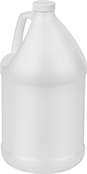
| Jug | 1 gal. | Water Based | Moderate | Stainless Steel | ASTM A380, ASTM A967, ASTM B600, SAE AMS2700 | 7373N14 | 00000 | ||||||||||||||||||||||||||||||||||||||||||||||||||||||||||||||||||||||||||||||||||||||||||||
Gels | |||||||||||||||||||||||||||||||||||||||||||||||||||||||||||||||||||||||||||||||||||||||||||||||||||
For Removing Dirt and Rust | |||||||||||||||||||||||||||||||||||||||||||||||||||||||||||||||||||||||||||||||||||||||||||||||||||
| Spray Bottle | 22 fl. oz. | Water Based | Moderate | Stainless Steel | ASTM A380, ASTM A967, ASTM B600, SAE AMS2700 | 7373N13 | 00000 | ||||||||||||||||||||||||||||||||||||||||||||||||||||||||||||||||||||||||||||||||||||||||||||
| Jug | 1 gal. | Water Based | Moderate | Stainless Steel | ASTM A380, ASTM A967, ASTM B600, SAE AMS2700 | 7373N16 | 00000 | ||||||||||||||||||||||||||||||||||||||||||||||||||||||||||||||||||||||||||||||||||||||||||||
For Removing Dirt | |||||||||||||||||||||||||||||||||||||||||||||||||||||||||||||||||||||||||||||||||||||||||||||||||||
| Spray Bottle | 22 fl. oz. | Water Based | Moderate | Stainless Steel | ASTM A380, ASTM A967, ASTM B600, SAE AMS2700 | 7373N12 | 00000 | ||||||||||||||||||||||||||||||||||||||||||||||||||||||||||||||||||||||||||||||||||||||||||||
| Jug | 1 gal. | Water Based | Moderate | Stainless Steel | ASTM A380, ASTM A967, ASTM B600, SAE AMS2700 | 7373N15 | 00000 | ||||||||||||||||||||||||||||||||||||||||||||||||||||||||||||||||||||||||||||||||||||||||||||
Electropolishing Solutions
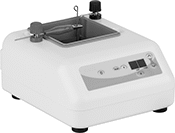
Electropolishers
 |  |
Unheated Bath | Heated Bath |
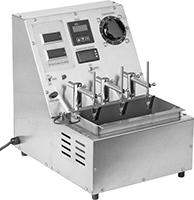
Dissolve microscopic surface flaws from metal parts for a mirror-like finish. These electropolishers send current through a conductive solution (sold separately) to remove a layer of surface material. They’re ideal for polishing intricate parts with hard-to-access features. Because they remove material evenly, they’re also good for applications where you need to polish your part without altering its dimensions. They’re small enough to fit on your workbench. Only use them on stainless steel and chrome workpieces.
Unheated Bath—A good basic option. These electropolishers remove material slower than those with a heated bath. They also distribute current less evenly through the solution, so they leave a less uniform finish.
Heated Bath—An upgrade in performance and finish compared to electropolishers with an unheated bath. These electropolishers use a heated solution that removes material faster and distributes current more evenly for a more uniform finish. They also output a higher wattage so you can polish workpieces with a larger surface area.
Electropolishers | Replacement Electropolisher Cathodes | Replacement Electropolisher Tanks | |||||||||||||||||||||||||||||||||||||||||||||||||||||||||||||||||||||||||||||||||||||||||||||||||
|---|---|---|---|---|---|---|---|---|---|---|---|---|---|---|---|---|---|---|---|---|---|---|---|---|---|---|---|---|---|---|---|---|---|---|---|---|---|---|---|---|---|---|---|---|---|---|---|---|---|---|---|---|---|---|---|---|---|---|---|---|---|---|---|---|---|---|---|---|---|---|---|---|---|---|---|---|---|---|---|---|---|---|---|---|---|---|---|---|---|---|---|---|---|---|---|---|---|---|---|
Inside | Overall | ||||||||||||||||||||||||||||||||||||||||||||||||||||||||||||||||||||||||||||||||||||||||||||||||||
Cap., qt. | Lg. | Wd. | Ht. | Lg. | Wd. | Ht. | Wattage, W | Voltage, V AC | Includes | Each | Each | Each | |||||||||||||||||||||||||||||||||||||||||||||||||||||||||||||||||||||||||||||||||||||||
Unheated Bath | |||||||||||||||||||||||||||||||||||||||||||||||||||||||||||||||||||||||||||||||||||||||||||||||||||
| 1 | 4 1/8" | 4 1/8" | 3 3/4" | 9 1/2" | 8" | 5 1/4" | 300 | 120 | Cathode, Straight Clip, Triangle Clip | 8571N21 | 0000000 | 8571N203 | 000000 | ——— | 0 | ||||||||||||||||||||||||||||||||||||||||||||||||||||||||||||||||||||||||||||||||||||
Heated Bath | |||||||||||||||||||||||||||||||||||||||||||||||||||||||||||||||||||||||||||||||||||||||||||||||||||
| 4 | 11 1/2" | 5 1/2" | 5 1/2" | 17" | 14" | 18" | 3,000 | 120 | Cathode, Straight Clip | 9091N31 | 00000000 | 9091N301 | 00000 | 9091N303 | 0000000 | ||||||||||||||||||||||||||||||||||||||||||||||||||||||||||||||||||||||||||||||||||||
