

Filter by
System of Measurement
Form
Solder Alloy


Performance

REACH

Export Control Classification Number (ECCN)
DFARS Specialty Metals
RoHS
Paste Solder
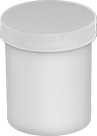 |
Use this paste in hard-to-reach areas—apply a thin coat of paste to the surfaces you want joined, apply heat, and wipe with a damp cloth. Paste is made of finely powdered solder combined with a flux paste, so it creates strong welds without needing separate flux.
Lead-Free—Lead-free solder is safer to use than leaded solder and helps meet industry regulations.
Material Composition | |||||||||||||||||||||||||||||||||||||||||||||||||||||||||||||||||||||||||||||||||||||||||||||||||||
|---|---|---|---|---|---|---|---|---|---|---|---|---|---|---|---|---|---|---|---|---|---|---|---|---|---|---|---|---|---|---|---|---|---|---|---|---|---|---|---|---|---|---|---|---|---|---|---|---|---|---|---|---|---|---|---|---|---|---|---|---|---|---|---|---|---|---|---|---|---|---|---|---|---|---|---|---|---|---|---|---|---|---|---|---|---|---|---|---|---|---|---|---|---|---|---|---|---|---|---|
Solder Alloy | Tin | Antimony | Lead | Melting Temp., ° F | Solder Type | Form | Wt., lb. | Each | |||||||||||||||||||||||||||||||||||||||||||||||||||||||||||||||||||||||||||||||||||||||||||
For Joining Brass, Copper, Nickel, Steel, and Zinc Alloy | |||||||||||||||||||||||||||||||||||||||||||||||||||||||||||||||||||||||||||||||||||||||||||||||||||
| Sn95Sb5 | 95% | 5% | 0% | 470 | Lead-Free, No Flux Required | Paste | 1 | 0000000 | 000000 | ||||||||||||||||||||||||||||||||||||||||||||||||||||||||||||||||||||||||||||||||||||||||||
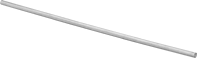
No-Flux Solder for Aluminum
Lead-Free, No Flux Required
 |
Material Composition | 2 lb. | ||||||||||||||||||||||||||||||||||||||||||||||||||||||||||||||||||||||||||||||||||||||||||||||||||
|---|---|---|---|---|---|---|---|---|---|---|---|---|---|---|---|---|---|---|---|---|---|---|---|---|---|---|---|---|---|---|---|---|---|---|---|---|---|---|---|---|---|---|---|---|---|---|---|---|---|---|---|---|---|---|---|---|---|---|---|---|---|---|---|---|---|---|---|---|---|---|---|---|---|---|---|---|---|---|---|---|---|---|---|---|---|---|---|---|---|---|---|---|---|---|---|---|---|---|---|
Solder Alloy | Zinc | Aluminum | Lead | Dia. | Melting Temp., ° F | Lg. | Pkg. | ||||||||||||||||||||||||||||||||||||||||||||||||||||||||||||||||||||||||||||||||||||||||||||
For Joining Aluminum | |||||||||||||||||||||||||||||||||||||||||||||||||||||||||||||||||||||||||||||||||||||||||||||||||||
| Zn98Al2 | 98% | 2% | 0% | 0.125" | 760 | 18" | 000000 | 000000 | |||||||||||||||||||||||||||||||||||||||||||||||||||||||||||||||||||||||||||||||||||||||||||
High-Density Low-Melting-Point Solder
Lead-Free, No Flux Required
 |
Lead-free solder is safer to use than leaded solder and helps meet industry regulations.
1% Silver—Solder with 1% silver forms stronger bonds than solder without silver. It’s also more malleable and ductile. However, it has a higher melting point, so it takes longer to solder.
