


Filter by
System of Measurement
Shaft Diameter
Component




Idler Type


Pressure Angle


Tooth Profile


RoHS

REACH
U.S.–Mexico–Canada Agreement (USMCA) Qualifying
DFARS Specialty Metals
Export Control Classification Number (ECCN)
GT Timing Belt Idler Pulleys


Metal Spur Gears
Gears
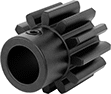 |
Gear with Round Bore and Set Screw |
20° Pressure Angle—The current industry standard, these 20° pressure angle spur gears have thicker, stronger teeth than 14½° pressure angle gears.
Steel—Steel gears have hard, strong, and wear-resistant teeth, although they will rust when exposed to moisture and corrosive chemicals.
Brass—Brass gears are easy to machine, so you can add your own mounting holes and make other alterations. They won't rust when exposed to water.
Hub, mm | |||||||||||||||||||||||||||||||||||||||||||||||||||||||||||||||||||||||||||||||||||||||||||||||||||
|---|---|---|---|---|---|---|---|---|---|---|---|---|---|---|---|---|---|---|---|---|---|---|---|---|---|---|---|---|---|---|---|---|---|---|---|---|---|---|---|---|---|---|---|---|---|---|---|---|---|---|---|---|---|---|---|---|---|---|---|---|---|---|---|---|---|---|---|---|---|---|---|---|---|---|---|---|---|---|---|---|---|---|---|---|---|---|---|---|---|---|---|---|---|---|---|---|---|---|---|
Gear Module | No. of Teeth | Gear Pitch Dia., mm | OD, mm | Face Wd., mm | Dia. | Wd. | Bore Type | For Shaft Dia., mm | Tooth Heat Treatment | Material | Each | ||||||||||||||||||||||||||||||||||||||||||||||||||||||||||||||||||||||||||||||||||||||||
20° Pressure Angle | |||||||||||||||||||||||||||||||||||||||||||||||||||||||||||||||||||||||||||||||||||||||||||||||||||
Steel | |||||||||||||||||||||||||||||||||||||||||||||||||||||||||||||||||||||||||||||||||||||||||||||||||||
| 0.5 | 15 | 7.5 | 8.5 | 5 | 8.5 | 11 | Round Bore with Set Screw | 3 | Not Hardened | Black-Oxide 1045 Carbon Steel | 2664N311 | 000000 | |||||||||||||||||||||||||||||||||||||||||||||||||||||||||||||||||||||||||||||||||||||||
| 0.5 | 20 | 10 | 11 | 5 | 11 | 11 | Round Bore with Set Screw | 3 | Not Hardened | Black-Oxide 1045 Carbon Steel | 2664N313 | 00000 | |||||||||||||||||||||||||||||||||||||||||||||||||||||||||||||||||||||||||||||||||||||||
Brass | |||||||||||||||||||||||||||||||||||||||||||||||||||||||||||||||||||||||||||||||||||||||||||||||||||
| 0.5 | 15 | 7.5 | 8.5 | 3 | 8.5 | 11 | Round Bore with Set Screw | 3 | — | Brass | 2664N406 | 00000 | |||||||||||||||||||||||||||||||||||||||||||||||||||||||||||||||||||||||||||||||||||||||
| 0.5 | 16 | 8 | 9 | 3 | 9 | 11 | Round Bore with Set Screw | 3 | — | Brass | 2664N407 | 00000 | |||||||||||||||||||||||||||||||||||||||||||||||||||||||||||||||||||||||||||||||||||||||
| 0.5 | 17 | 8.5 | 9.5 | 3 | 9.5 | 11 | Round Bore with Set Screw | 3 | — | Brass | 2664N408 | 00000 | |||||||||||||||||||||||||||||||||||||||||||||||||||||||||||||||||||||||||||||||||||||||
| 0.5 | 20 | 10 | 11 | 3 | 11 | 11 | Round Bore with Set Screw | 3 | — | Brass | 2664N412 | 00000 | |||||||||||||||||||||||||||||||||||||||||||||||||||||||||||||||||||||||||||||||||||||||
| 0.5 | 21 | 10.5 | 11.5 | 3 | 11.5 | 11 | Round Bore with Set Screw | 3 | — | Brass | 2664N413 | 00000 | |||||||||||||||||||||||||||||||||||||||||||||||||||||||||||||||||||||||||||||||||||||||
| 0.5 | 22 | 11 | 12 | 3 | 9 | 7 | Round Bore with Set Screw | 3 | — | Brass | 2664N414 | 00000 | |||||||||||||||||||||||||||||||||||||||||||||||||||||||||||||||||||||||||||||||||||||||
| 0.5 | 24 | 12 | 13 | 3 | 10 | 7 | Round Bore with Set Screw | 3 | — | Brass | 2664N416 | 00000 | |||||||||||||||||||||||||||||||||||||||||||||||||||||||||||||||||||||||||||||||||||||||
| 0.5 | 25 | 12.5 | 13 | 3 | 10 | 7 | Round Bore with Set Screw | 3 | — | Brass | 2664N419 | 00000 | |||||||||||||||||||||||||||||||||||||||||||||||||||||||||||||||||||||||||||||||||||||||
| 0.5 | 30 | 15 | 16 | 3 | 12 | 7 | Round Bore with Set Screw | 3 | — | Brass | 2664N424 | 00000 | |||||||||||||||||||||||||||||||||||||||||||||||||||||||||||||||||||||||||||||||||||||||
Gear Racks
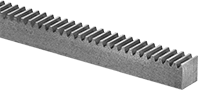 |
20° Pressure Angle—Rectangular |
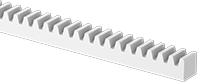
These racks match with spur gears to convert rotary motion to linear motion. For components to mesh correctly, they must have the same pressure angle and pitch/module.
Steel—Steel gear racks have strong and wear-resistant teeth, although they will rust when exposed to moisture and corrosive chemicals.
Brass—Brass gear racks are easy to machine, so you can add your own mounting holes and make other alterations. They won't rust when exposed to water.
Gear Module | Lg., mm | Pitch Ht., mm | Ht., mm | Face Wd., mm | Tooth Heat Treatment | Material | Features | Each | |||||||||||||||||||||||||||||||||||||||||||||||||||||||||||||||||||||||||||||||||||||||||||
|---|---|---|---|---|---|---|---|---|---|---|---|---|---|---|---|---|---|---|---|---|---|---|---|---|---|---|---|---|---|---|---|---|---|---|---|---|---|---|---|---|---|---|---|---|---|---|---|---|---|---|---|---|---|---|---|---|---|---|---|---|---|---|---|---|---|---|---|---|---|---|---|---|---|---|---|---|---|---|---|---|---|---|---|---|---|---|---|---|---|---|---|---|---|---|---|---|---|---|---|
20° Pressure Angle—Rectangular | |||||||||||||||||||||||||||||||||||||||||||||||||||||||||||||||||||||||||||||||||||||||||||||||||||
Steel | |||||||||||||||||||||||||||||||||||||||||||||||||||||||||||||||||||||||||||||||||||||||||||||||||||
| 0.5 | 100 | 11.5 | 12 | 5 | Not Hardened | Black-Oxide 1045 Carbon Steel | — | 2485N242 | 000000 | ||||||||||||||||||||||||||||||||||||||||||||||||||||||||||||||||||||||||||||||||||||||||||
| 0.5 | 300 | 11.5 | 12 | 5 | Not Hardened | Black-Oxide 1045 Carbon Steel | Machined Ends | 2485N241 | 00000 | ||||||||||||||||||||||||||||||||||||||||||||||||||||||||||||||||||||||||||||||||||||||||||
Brass | |||||||||||||||||||||||||||||||||||||||||||||||||||||||||||||||||||||||||||||||||||||||||||||||||||
| 0.5 | 300 | 8.5 | 9 | 3 | — | Brass | — | 2485N235 | 00000 | ||||||||||||||||||||||||||||||||||||||||||||||||||||||||||||||||||||||||||||||||||||||||||
Internal Gears
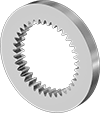 |
Save space without losing power. Insert a standard spur gear inside one of these gears for a compact assembly that smoothly transmits motion. Combine gears with different numbers of teeth to change speed and torque in your assembly. For components to mesh correctly, they must have the same pressure angle and pitch/module.
Steel—Steel gears have strong and wear-resistant teeth, although they will rust when exposed to moisture and corrosive chemicals.
Timing Belt Pulleys
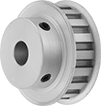 |  |
Finished Bore |
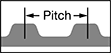
Keep your drive system in sync. Trapezoidal teeth mesh with matching belts to synchronize motion. With the original tooth profile, these pulleys handle enough torque for most applications. If you need high torque or precise starts and stops, consider curved tooth profiles, such as GT and HTD pulleys.
Corrosion-Resistant Aluminum—Won't rust in wet environments and one-third the weight of steel and iron. However, aluminum pulleys are not as strong as iron and steel.
Finished Bore—Mount these pulleys onto the shaft and secure with a set screw—no machining required.
For Max. Belt Wd., mm | Pitch | No. of Teeth | Bore Type | For Shaft Dia., mm | Pitch Dia., mm | No. of Flanges | Hub Type | Each | |||||||||||||||||||||||||||||||||||||||||||||||||||||||||||||||||||||||||||||||||||||||||||
|---|---|---|---|---|---|---|---|---|---|---|---|---|---|---|---|---|---|---|---|---|---|---|---|---|---|---|---|---|---|---|---|---|---|---|---|---|---|---|---|---|---|---|---|---|---|---|---|---|---|---|---|---|---|---|---|---|---|---|---|---|---|---|---|---|---|---|---|---|---|---|---|---|---|---|---|---|---|---|---|---|---|---|---|---|---|---|---|---|---|---|---|---|---|---|---|---|---|---|---|
For MXL Trade Size | |||||||||||||||||||||||||||||||||||||||||||||||||||||||||||||||||||||||||||||||||||||||||||||||||||
Corrosion-Resistant Aluminum | |||||||||||||||||||||||||||||||||||||||||||||||||||||||||||||||||||||||||||||||||||||||||||||||||||
| 3 | 0.080" | 10 | Finished | 3 | 6.5 | 1 | Standard | 1375K171 | 000000 | ||||||||||||||||||||||||||||||||||||||||||||||||||||||||||||||||||||||||||||||||||||||||||
| 3 | 0.080" | 11 | Finished | 3 | 7.1 | 1 | Standard | 1375K172 | 00000 | ||||||||||||||||||||||||||||||||||||||||||||||||||||||||||||||||||||||||||||||||||||||||||
| 3 | 0.080" | 12 | Finished | 3 | 7.8 | 1 | Standard | 1375K173 | 00000 | ||||||||||||||||||||||||||||||||||||||||||||||||||||||||||||||||||||||||||||||||||||||||||
| 3 | 0.080" | 14 | Finished | 3 | 9.1 | 1 | Standard | 1375K174 | 00000 | ||||||||||||||||||||||||||||||||||||||||||||||||||||||||||||||||||||||||||||||||||||||||||
| 6 | 0.080" | 10 | Finished | 3 | 6.5 | 1 | Standard | 1375K101 | 00000 | ||||||||||||||||||||||||||||||||||||||||||||||||||||||||||||||||||||||||||||||||||||||||||
| 6 | 0.080" | 12 | Finished | 3 | 7.8 | 1 | Standard | 1375K105 | 00000 | ||||||||||||||||||||||||||||||||||||||||||||||||||||||||||||||||||||||||||||||||||||||||||
| 6 | 0.080" | 14 | Finished | 3 | 9.1 | 1 | Standard | 1375K107 | 00000 | ||||||||||||||||||||||||||||||||||||||||||||||||||||||||||||||||||||||||||||||||||||||||||
| 9 | 0.080" | 10 | Finished | 3 | 6.5 | 1 | Standard | 1375K102 | 00000 | ||||||||||||||||||||||||||||||||||||||||||||||||||||||||||||||||||||||||||||||||||||||||||
| 9 | 0.080" | 14 | Finished | 3 | 9.1 | 1 | Standard | 1375K108 | 00000 | ||||||||||||||||||||||||||||||||||||||||||||||||||||||||||||||||||||||||||||||||||||||||||
Plastic Spur Gears
Gears
 |
20° Pressure Angle |
20° Pressure Angle—The current industry standard, these 20° pressure angle spur gears have thicker, stronger teeth than 14½° pressure angle gears.
Acetal—Acetal gears absorb less water than nylon gears, so they’re less likely to swell.
Plastic Miter Gears
 |  |  |
Gears Sold Separately |
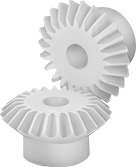
Connect two shafts at a right angle without changing shaft speed or torque. Made of plastic, these gears run quieter than metal gears and have good corrosion and chemical resistance.
For two gears to mesh correctly, they must have the same pressure angle, pitch/module, and number of teeth.
Acetal—Acetal gears absorb less moisture than nylon gears and are less prone to dimensional change. They’re best suited for use in light duty applications such as prototyping.
Hub, mm | |||||||||||||||||||||||||||||||||||||||||||||||||||||||||||||||||||||||||||||||||||||||||||||||||||
|---|---|---|---|---|---|---|---|---|---|---|---|---|---|---|---|---|---|---|---|---|---|---|---|---|---|---|---|---|---|---|---|---|---|---|---|---|---|---|---|---|---|---|---|---|---|---|---|---|---|---|---|---|---|---|---|---|---|---|---|---|---|---|---|---|---|---|---|---|---|---|---|---|---|---|---|---|---|---|---|---|---|---|---|---|---|---|---|---|---|---|---|---|---|---|---|---|---|---|---|
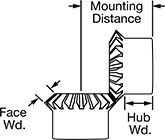
Gear Module | No. of Teeth | Pressure Angle | Gear Pitch Dia., mm | OD, mm | Face Wd., mm | Overall Wd., mm | For Shaft Dia., mm | Mounting Distance, mm | Material | Fabrication | Color | Dia. | Wd. | Each | |||||||||||||||||||||||||||||||||||||||||||||||||||||||||||||||||||||||||||||||||||||
Round Bore | |||||||||||||||||||||||||||||||||||||||||||||||||||||||||||||||||||||||||||||||||||||||||||||||||||
| 0.5 | 20 | 20° | 10 | 10.7 | 2.5 | 8 | 3 | 11 | Acetal | Molded | White | 8 | 4 | 2810N1 | 00000 | ||||||||||||||||||||||||||||||||||||||||||||||||||||||||||||||||||||||||||||||||||||
Plastic Timing Belt Pulleys
 | |
Naturally rust resistant and lightweight, these plastic pulleys are ideal for machines that require frequent washdowns. Trapezoidal teeth, the original tooth profile, mesh with matching belts to transmit power without slipping.
Plain Bore—Do it your way—machine the bore to your exact shaft size or add a set screw or keyway.
