

Filter by


Solder Type

Material
DFARS Specialty Metals
Performance
U.S.–Mexico–Canada Agreement (USMCA) Qualifying
Export Control Classification Number (ECCN)

For Use On
Bar Solder for High-Temperature Applications
Lead-Free, Flux Required
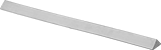 |
Lead-free solder is safer to use than leaded solder and helps meet industry regulations.
Material Composition | 1 lb. | ||||||||||||||||||||||||||||||||||||||||||||||||||||||||||||||||||||||||||||||||||||||||||||||||||
|---|---|---|---|---|---|---|---|---|---|---|---|---|---|---|---|---|---|---|---|---|---|---|---|---|---|---|---|---|---|---|---|---|---|---|---|---|---|---|---|---|---|---|---|---|---|---|---|---|---|---|---|---|---|---|---|---|---|---|---|---|---|---|---|---|---|---|---|---|---|---|---|---|---|---|---|---|---|---|---|---|---|---|---|---|---|---|---|---|---|---|---|---|---|---|---|---|---|---|---|
Solder Alloy | Tin | Antimony | Lead | Melting Temp., ° F | Lg. | Wd. | Ht. | Each | |||||||||||||||||||||||||||||||||||||||||||||||||||||||||||||||||||||||||||||||||||||||||||
For Joining Brass, Bronze, Copper, Nickel, Stainless Steel, and Steel | |||||||||||||||||||||||||||||||||||||||||||||||||||||||||||||||||||||||||||||||||||||||||||||||||||
| Sn95Sb5 | 95% | 5% | 0% | 460 | 12" | 1" | 1/2" | 7668A16 | 000000 | ||||||||||||||||||||||||||||||||||||||||||||||||||||||||||||||||||||||||||||||||||||||||||
Bar Solder for Electronics and Electrical Applications
Lead-Free, Flux Required
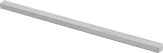 | 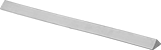 |
Bar | Triangular Bar |
Lead-free solder is safer to use than leaded solder and helps meet industry regulations.
Material Composition | |||||||||||||||||||||||||||||||||||||||||||||||||||||||||||||||||||||||||||||||||||||||||||||||||||
|---|---|---|---|---|---|---|---|---|---|---|---|---|---|---|---|---|---|---|---|---|---|---|---|---|---|---|---|---|---|---|---|---|---|---|---|---|---|---|---|---|---|---|---|---|---|---|---|---|---|---|---|---|---|---|---|---|---|---|---|---|---|---|---|---|---|---|---|---|---|---|---|---|---|---|---|---|---|---|---|---|---|---|---|---|---|---|---|---|---|---|---|---|---|---|---|---|---|---|---|
Solder Alloy | Tin | Silver | Antimony | Copper | Lead | Melting Temp., ° F | Shape | Lg. | Wd. | Ht. | Wt., lb. | Each | |||||||||||||||||||||||||||||||||||||||||||||||||||||||||||||||||||||||||||||||||||||||
For Joining Brass, Bronze, and Copper | |||||||||||||||||||||||||||||||||||||||||||||||||||||||||||||||||||||||||||||||||||||||||||||||||||
| Sn97Cu2Sb0.8Ag0.2 | 97% | 0.2% | 0.8% | 2% | 0% | 465 | Bar | 14" | 1/2" | 1/2" | 1 | 76805A73 | 000000 | ||||||||||||||||||||||||||||||||||||||||||||||||||||||||||||||||||||||||||||||||||||||
For Joining Brass, Bronze, Copper, Nickel, Stainless Steel, and Steel | |||||||||||||||||||||||||||||||||||||||||||||||||||||||||||||||||||||||||||||||||||||||||||||||||||
| Sn96.5Ag3Cu0.5 | 96.5% | 3% | — | 0.5% | 0% | 430 | Triangular Bar | 12" | 1" | 1/2" | 1 | 76805A81 | 00000 | ||||||||||||||||||||||||||||||||||||||||||||||||||||||||||||||||||||||||||||||||||||||
| Sn96Ag4 | 96% | 4% | — | — | 0% | 450 | Triangular Bar | 12" | 1" | 1/2" | 1 | 76805A82 | 00000 | ||||||||||||||||||||||||||||||||||||||||||||||||||||||||||||||||||||||||||||||||||||||
| Sn97Cu3 | 97% | — | — | 3% | 0% | 365 | Triangular Bar | 12" | 1" | 1/2" | 1 | 76805A83 | 00000 | ||||||||||||||||||||||||||||||||||||||||||||||||||||||||||||||||||||||||||||||||||||||
| Sn99.3Cu0.7 | 99.3% | — | — | 0.7% | 0% | 440 | Triangular Bar | 12" | 1" | 1/2" | 1 | 76805A84 | 00000 | ||||||||||||||||||||||||||||||||||||||||||||||||||||||||||||||||||||||||||||||||||||||
Bar Solder for Food Service Equipment
|
This solder is commonly used in solder melting pots. It's composed of pure tin, so it is safe for use with food service equipment. This solder does not have a flux core, so you can choose the flux that works best for your application.
Lead-Free—Lead-free solder is safer to use than leaded solder and helps meet industry regulations.
Material Composition | |||||||||||||||||||||||||||||||||||||||||||||||||||||||||||||||||||||||||||||||||||||||||||||||||||
|---|---|---|---|---|---|---|---|---|---|---|---|---|---|---|---|---|---|---|---|---|---|---|---|---|---|---|---|---|---|---|---|---|---|---|---|---|---|---|---|---|---|---|---|---|---|---|---|---|---|---|---|---|---|---|---|---|---|---|---|---|---|---|---|---|---|---|---|---|---|---|---|---|---|---|---|---|---|---|---|---|---|---|---|---|---|---|---|---|---|---|---|---|---|---|---|---|---|---|---|
Solder Alloy | Tin | Lead | Melting Temp., ° F | Solder Type | Lg. | Wd. | Ht. | Wt., lb. | Each | ||||||||||||||||||||||||||||||||||||||||||||||||||||||||||||||||||||||||||||||||||||||||||
For Joining Brass, Bronze, Copper, Stainless Steel, and Steel | |||||||||||||||||||||||||||||||||||||||||||||||||||||||||||||||||||||||||||||||||||||||||||||||||||
| Sn100 | 100% | 0% | 450 | Lead-Free, Flux Required | 11 1/2" | 1" | 1/2" | 1 | 8886K11 | 000000 | |||||||||||||||||||||||||||||||||||||||||||||||||||||||||||||||||||||||||||||||||||||||||
Casting Metals
Tin-Base Babbitt
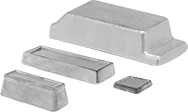 |
Tin-base babbitt is used to cast bearings for high-speed, high-wear applications and can withstand heavy, sustained loads. It has a higher melting temperature than lead-base babbitt.
Material Composition | Approximate | ||||||||||
|---|---|---|---|---|---|---|---|---|---|---|---|
Melting Temp., ° F | Tin | Antimony | Copper | Thick. | Wd. | Lg. | Wt., lb. | Shape | Each | ||
| 669 | 89% | 7% | 4% | 1 1/2" | 2" | 5 1/2" | 4 1/2 | Sheet, Bar | 8900K11 | 0000000 | |
Tin
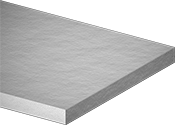 |
With 99.9% tin content, this material is considered commercially pure. It's commonly used to make gaskets and filters.
High-Density Low-Melting-Point Solder
Lead-Free, No Flux Required
 |
Lead-free solder is safer to use than leaded solder and helps meet industry regulations.
1% Silver—Solder with 1% silver forms stronger bonds than solder without silver. It’s also more malleable and ductile. However, it has a higher melting point, so it takes longer to solder.
