

Filter by
System of Measurement
Shaft Diameter
Torque Limiter Type

Torque
Shaft Type


Maximum Rotation Speed


Rotation Speed

Torque-Limiting Mechanism
DFARS Specialty Metals
Export Control Classification Number (ECCN)

Material
Drive Direction
Adjustability
Torque Adjustability
Hub Material
Chain and Belt Torque Limiters
 |  |  |
Torque Limiter Shown with Sprocket | Replacement Friction Lining |
Prevent damage from overloading. When overloaded, these limiters cause your sprocket or pulley to slip. Once the overload is removed, the limiters automatically reset. Set the torque within the range listed. Friction lining is between the hub and pressure plate.
Double Spring—Double-spring limiters have a second spring for handling nearly twice the torque of single-spring limiters.
Sprockets—Sprockets are designed specifically to fit their corresponding limiters. These hubless sprockets are not interchangeable.
Torque Limiters | Sprockets | Replacement Friction Lining | |||||||||||||||||||||||||||||||||||||||||||||||||||||||||||||||||||||||||||||||||||||||||||||||||
|---|---|---|---|---|---|---|---|---|---|---|---|---|---|---|---|---|---|---|---|---|---|---|---|---|---|---|---|---|---|---|---|---|---|---|---|---|---|---|---|---|---|---|---|---|---|---|---|---|---|---|---|---|---|---|---|---|---|---|---|---|---|---|---|---|---|---|---|---|---|---|---|---|---|---|---|---|---|---|---|---|---|---|---|---|---|---|---|---|---|---|---|---|---|---|---|---|---|---|---|
Keyway | Torque, ft·lbf | ||||||||||||||||||||||||||||||||||||||||||||||||||||||||||||||||||||||||||||||||||||||||||||||||||
For Shaft Dia. | OD | Overall Wd. | Wd. | Dp. | For Max. Sprocket or Pulley Wd. | Friction Lining Thk. | Min. | Max. | Hub Material | Each | Choose a Roller Chain Trade Number | Each | Each | ||||||||||||||||||||||||||||||||||||||||||||||||||||||||||||||||||||||||||||||||||||||
Single Spring | |||||||||||||||||||||||||||||||||||||||||||||||||||||||||||||||||||||||||||||||||||||||||||||||||||
| 1 1/2" | 5" | 2 7/8" | 3/8" | 3/16" | 5/8" | 1/8" | 90 | 250 | Steel | 6524K157 | 0000000 | 40, 41, 50, 60, 80 | 6525K15 | 000000 | 6525K66 | 000000 | |||||||||||||||||||||||||||||||||||||||||||||||||||||||||||||||||||||||||||||||||||
| 1 1/2" | 6" | 3" | 3/8" | 3/16" | 13/16" | 1/8" | 24 | 320 | Steel | 6524K128 | 000000 | 40, 41, 50, 60, 80, 100 | 6525K33 | 000000 | 6525K73 | 00000 | |||||||||||||||||||||||||||||||||||||||||||||||||||||||||||||||||||||||||||||||||||
Double Spring | |||||||||||||||||||||||||||||||||||||||||||||||||||||||||||||||||||||||||||||||||||||||||||||||||||
| 1 1/2" | 5" | 2 7/8" | 3/8" | 3/16" | 5/8" | 1/8" | 120 | 400 | Steel | 6524K457 | 000000 | 40, 41, 50, 60, 80 | 6525K15 | 00000 | 6525K66 | 00000 | |||||||||||||||||||||||||||||||||||||||||||||||||||||||||||||||||||||||||||||||||||
| 1 1/2" | 6" | 3" | 3/8" | 3/16" | 3/4" | 1/8" | 26 | 440 | Steel | 6524K135 | 000000 | 40, 41, 50, 60, 80, 100 | 6525K33 | 000000 | 6525K73 | 00000 | |||||||||||||||||||||||||||||||||||||||||||||||||||||||||||||||||||||||||||||||||||


One-Way Clutches
Roller Engagement—Keyed Hub
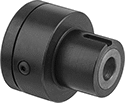 |
Roller clutches are best for low- to medium-torque transfer in overrunning and indexing applications.
Clutches with a keyed hub let you slip on your component.
Through Shaft—Through-shaft clutches regulate torque transmission between an input shaft and a mounted component.
Slip-Fit Shaft Mount—Clutches that mount to shafts with a slip fit must be secured with a shaft collar or in some other way that prevents them from moving along the length of your shaft.
Shaft | Hub | Clockwise Drive | |||||||||||||||||||||||||||||||||||||||||||||||||||||||||||||||||||||||||||||||||||||||||||||||||
|---|---|---|---|---|---|---|---|---|---|---|---|---|---|---|---|---|---|---|---|---|---|---|---|---|---|---|---|---|---|---|---|---|---|---|---|---|---|---|---|---|---|---|---|---|---|---|---|---|---|---|---|---|---|---|---|---|---|---|---|---|---|---|---|---|---|---|---|---|---|---|---|---|---|---|---|---|---|---|---|---|---|---|---|---|---|---|---|---|---|---|---|---|---|---|---|---|---|---|---|
For Shaft Dia. | For Shaft Type | Max. Torque, ft·lbf | Max. Rotation Speed, rpm | OD | Overall Lg. | Material | Keyway Wd. × Keyway Dp. | Mount Type | Dia. | Lg. | Keyway Wd. × Keyway Dp. | Each | |||||||||||||||||||||||||||||||||||||||||||||||||||||||||||||||||||||||||||||||||||||||
Through Shaft | |||||||||||||||||||||||||||||||||||||||||||||||||||||||||||||||||||||||||||||||||||||||||||||||||||
| 1 1/2" | Keyed | 200 | 800 | 4 1/2" | 4 1/2" | Steel | 3/8" × 3/16" | Slip Fit | 3" | 2 1/16" | 3/8" × 3/16" | 4550N18 | 0000000 | ||||||||||||||||||||||||||||||||||||||||||||||||||||||||||||||||||||||||||||||||||||||
Sprag Engagement—Flush Hub
 | 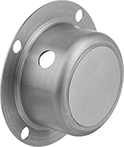 |
Covers |
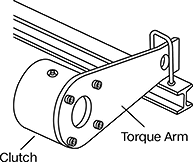 | 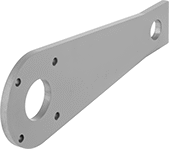 |
Torque Arm Shown Installed | Torque Arms |
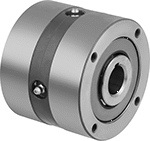
Sprag clutches handle higher torque than roller clutches because they have more contact points. This makes them best for backstopping applications.
Clutches with a flush hub have a precision ground outer race, so they can be press fit directly into a component and positioned anywhere along the length of your shaft. They also have mounting holes on their face you can use to secure your component or an anti-rotation device, such as a torque arm, for a different backstopping setup.
Through Shaft—Through-shaft clutches regulate torque transmission between an input shaft and a mounted component.
Slip-Fit Shaft Mount—Clutches that mount to shafts with a slip fit must be secured with a shaft collar or in some other way that prevents them from moving along the length of your shaft.
Covers—Covers protect you from rotating equipment when the clutch is mounted to the end of the shaft.
Torque Arms—Clutch torque arms work as an anchor for clutches in backstopping applications. Mount to the outer race of your clutch and a stationary piece of equipment.
Clutches | Covers | Torque Arms | |||||||||||||||||||||||||||||||||||||||||||||||||||||||||||||||||||||||||||||||||||||||||||||||||
|---|---|---|---|---|---|---|---|---|---|---|---|---|---|---|---|---|---|---|---|---|---|---|---|---|---|---|---|---|---|---|---|---|---|---|---|---|---|---|---|---|---|---|---|---|---|---|---|---|---|---|---|---|---|---|---|---|---|---|---|---|---|---|---|---|---|---|---|---|---|---|---|---|---|---|---|---|---|---|---|---|---|---|---|---|---|---|---|---|---|---|---|---|---|---|---|---|---|---|---|
Max. Rotation Speed, rpm | Shaft | Clockwise or Counterclockwise Drive | |||||||||||||||||||||||||||||||||||||||||||||||||||||||||||||||||||||||||||||||||||||||||||||||||
For Shaft Dia. | For Shaft Type | Max. Torque, ft·lbf | Inner-Race | Outer-Race | OD | Overall Lg. | Material | Keyway Wd. × Keyway Dp. | Mount Type | Each | Each | Each | |||||||||||||||||||||||||||||||||||||||||||||||||||||||||||||||||||||||||||||||||||||||
Through Shaft | |||||||||||||||||||||||||||||||||||||||||||||||||||||||||||||||||||||||||||||||||||||||||||||||||||
| 1 1/2" | Keyed | 2,250 | 2,200 | 750 | 5 3/8" | 3 3/4" | Steel | 3/8" × 3/16" | Slip Fit | 4550N24 | 000000000 | 4550N203 | 0000000 | 4550N303 | 0000000 | ||||||||||||||||||||||||||||||||||||||||||||||||||||||||||||||||||||||||||||||||||||
