

Filter by
Application
Optical Density @ Wavelength


Lens Color


Specifications Met
Lens Material

Performance
Shade Type
U.S.–Mexico–Canada Agreement (USMCA) Qualifying
DFARS Specialty Metals
Export Control Classification Number (ECCN)
Garment
Adjustment Mechanism

Lens Size
UV Protection Rating
Lens Style
Frame Material
Laser Welding Lenses
Rectangle
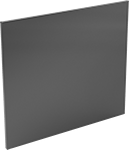 |
ANSI Z136.1—To meet ANSI Z136.1 standards for protection from lasers, factor the strength of your laser.
Optical Density @ Wavelength—Optical density indicates how much light a lens absorbs at a specific wavelength. The higher the density, the more UV, infrared, and visible light is blocked. Powerful, Class 4 lasers require an optical density of 5 or higher.
Visible Light—Visible light is the percentage of visible light that passes through the lens. The lower the percentage, the more light is blocked.
Lens | 2" Ht. × 4 1/4" Wd. | 4 1/2" Ht. × 5 1/4" Wd. | |||||||||
|---|---|---|---|---|---|---|---|---|---|---|---|
Shade No. | Optical Density @ Wavelength | Visible Light | Color | Material | Specs. Met | Each | Each | ||||
| 3 | 5 @ 870 nm to 1,200 nm 6 @ 190 nm to 400 nm 6 @ 1,000 nm to 1,100 nm 6 @ 9,000 nm to 11,000 nm 7 @ 1,020 nm to 1,100 nm | 18% | Green | Acrylic Plastic | ANSI Z136.1 | 9354N11 | 0000000 | 9354N13 | 0000000 | ||
| 5 | 5 @ 850 nm to 2,700 nm 6 @ 190 nm to 400 nm 6 @ 9,000 nm to 11,000 nm 7 @ 1,000 nm to 2,500 nm 8 @ 1,200 nm to 2,450 nm | 2% | Green | Acrylic Plastic | ANSI Z136.1 | 9354N12 | 000000 | 9354N14 | 000000 | ||
Round
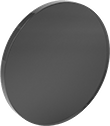 |
ANSI Z136.1—To meet ANSI Z136.1 standards for protection from lasers, factor the strength of your laser.
Optical Density @ Wavelength—Optical density indicates how much light a lens absorbs at a specific wavelength. The higher the density, the more UV, infrared, and visible light is blocked. Powerful, Class 4 lasers require an optical density of 5 or higher.
Visible Light—Visible light is the percentage of visible light that passes through the lens. The lower the percentage, the more light is blocked.
Lens | |||||||||||||||||||||||||||||||||||||||||||||||||||||||||||||||||||||||||||||||||||||||||||||||||||
|---|---|---|---|---|---|---|---|---|---|---|---|---|---|---|---|---|---|---|---|---|---|---|---|---|---|---|---|---|---|---|---|---|---|---|---|---|---|---|---|---|---|---|---|---|---|---|---|---|---|---|---|---|---|---|---|---|---|---|---|---|---|---|---|---|---|---|---|---|---|---|---|---|---|---|---|---|---|---|---|---|---|---|---|---|---|---|---|---|---|---|---|---|---|---|---|---|---|---|---|
Shade No. | Optical Density @ Wavelength | Visible Light | Color | Material | Specs. Met | Pkg. Qty. | Pkg. | ||||||||||||||||||||||||||||||||||||||||||||||||||||||||||||||||||||||||||||||||||||||||||||
2" Diameter Lens | |||||||||||||||||||||||||||||||||||||||||||||||||||||||||||||||||||||||||||||||||||||||||||||||||||
| 3 | 5 @ 870 nm to 1,200 nm 6 @ 190 nm to 400 nm 6 @ 1,000 nm to 1,100 nm 6 @ 9,000 nm to 11,000 nm 7 @ 1,020 nm to 1,100 nm | 18% | Green | Acrylic Plastic | ANSI Z136.1 | 2 | 9354N15 | 0000000 | |||||||||||||||||||||||||||||||||||||||||||||||||||||||||||||||||||||||||||||||||||||||||||
| 5 | 5 @ 850 nm to 2,700 nm 6 @ 190 nm to 400 nm 6 @ 9,000 nm to 11,000 nm 7 @ 1,000 nm to 2,500 nm 8 @ 1,200 nm to 2,450 nm | 2% | Green | Acrylic Plastic | ANSI Z136.1 | 2 | 9354N16 | 000000 | |||||||||||||||||||||||||||||||||||||||||||||||||||||||||||||||||||||||||||||||||||||||||||
Laser Welding Safety Glasses
 |
Frame | |||||||||||||||||||||||||||||||||||||||||||||||||||||||||||||||||||||||||||||||||||||||||||||||||||
|---|---|---|---|---|---|---|---|---|---|---|---|---|---|---|---|---|---|---|---|---|---|---|---|---|---|---|---|---|---|---|---|---|---|---|---|---|---|---|---|---|---|---|---|---|---|---|---|---|---|---|---|---|---|---|---|---|---|---|---|---|---|---|---|---|---|---|---|---|---|---|---|---|---|---|---|---|---|---|---|---|---|---|---|---|---|---|---|---|---|---|---|---|---|---|---|---|---|---|---|
Shade No. | Visible Light | Optical Density @ Wavelength | Lens Color | Material | Color | Arm Type | Temple-to-Temple Wd. | UV Protection Rating | Features | Specs. Met | Each | ||||||||||||||||||||||||||||||||||||||||||||||||||||||||||||||||||||||||||||||||||||||||
Regular Polycarbonate Lens | |||||||||||||||||||||||||||||||||||||||||||||||||||||||||||||||||||||||||||||||||||||||||||||||||||
Adjustable-Length and -Tilt Arm | |||||||||||||||||||||||||||||||||||||||||||||||||||||||||||||||||||||||||||||||||||||||||||||||||||
| 3 | 14% | 7 @ 10,600 nm | Green | Nylon | Black | Rigid | 5 5/16" | Not Rated | Adjustable Arms | ANSI Z136.1, ANSI/ISEA Z87.1 | 9346N121 | 000000 | |||||||||||||||||||||||||||||||||||||||||||||||||||||||||||||||||||||||||||||||||||||||
| 5 | 2.5% | 7 @ 10,600 nm | Green | Nylon | Black | Rigid | 5 5/16" | Not Rated | Adjustable Arms | ANSI Z136.1, ANSI/ISEA Z87.1 | 9346N122 | 00000 | |||||||||||||||||||||||||||||||||||||||||||||||||||||||||||||||||||||||||||||||||||||||
Laser Welding Face Shields
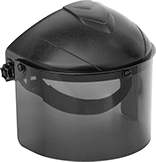 |
The lens on these shields filters out harmful light to protect your eyes during traditional and laser welding. The curved design offers better peripheral vision than laser welding goggles and additional face protection from impact, sparks, and radiation. To meet ANSI Z87.1 standards for eye protection, wear these shields with compliant safety glasses. Customize the shield’s fit by twisting the easy-turn knob on the ratchet adjustment.
ANSI Z136.1—They meet ANSI Z136.1 specifications for laser safety.
Visible Light—Visible light is the percentage of visible light that passes through the lens. The lower the percentage, the more light is blocked. Make sure enough light passes through to see your welding work clearly but not so much that it becomes dangerous.
Optical Density @ Wavelength—Optical density indicates how much light a lens absorbs at a specific wavelength. The higher the density, the more UV, infrared, and visible light is blocked. Powerful lasers often require an optical density of 5 or higher.
Shade Number—Shade number indicates how much light is filtered by lenses. The higher the shade number, the darker and more protective the lens.
Lens | Hat Size | ||||||||||||||||||||||||||||||||||||||||||||||||||||||||||||||||||||||||||||||||||||||||||||||||||
|---|---|---|---|---|---|---|---|---|---|---|---|---|---|---|---|---|---|---|---|---|---|---|---|---|---|---|---|---|---|---|---|---|---|---|---|---|---|---|---|---|---|---|---|---|---|---|---|---|---|---|---|---|---|---|---|---|---|---|---|---|---|---|---|---|---|---|---|---|---|---|---|---|---|---|---|---|---|---|---|---|---|---|---|---|---|---|---|---|---|---|---|---|---|---|---|---|---|---|---|
Visible Light | Optical Density @ Wavelength | Shade No. | Color | Material | Ht. | Wd. | Thk. | Construction | Min. | Max. | Specs. Met | Each | |||||||||||||||||||||||||||||||||||||||||||||||||||||||||||||||||||||||||||||||||||||||
Flip-Up Welding Lens | |||||||||||||||||||||||||||||||||||||||||||||||||||||||||||||||||||||||||||||||||||||||||||||||||||
| 2% | 5 @ 850 nm to 2,700 nm 6 @ 190 nm to 400 nm 6 @ 9,000 nm to 11,000 nm 7 @ 1,000 nm to 2,500 nm 8 @ 1,200 nm to 2,450 nm | 5 | Green | Acrylic Plastic | 5 1/2" | 16 1/2" | 0.1" | Solid | 7 | 8 | ANSI Z136.1 | 9342N122 | 0000000 | ||||||||||||||||||||||||||||||||||||||||||||||||||||||||||||||||||||||||||||||||||||||
| 18% | 5 @ 870 nm to 1,200 nm 6 @ 190 nm to 400 nm 6 @ 1,000 nm to 1,100 nm 6 @ 9,000 nm to 11,000 nm 7 @ 1,020 nm to 1,100 nm | 3 | Green | Acrylic Plastic | 5 1/2" | 16 1/2" | 0.1" | Solid | 7 | 8 | ANSI Z136.1 | 9342N121 | 000000 | ||||||||||||||||||||||||||||||||||||||||||||||||||||||||||||||||||||||||||||||||||||||
Wraparound Laser-Protection Welding Safety Goggles
 |
Lens | |||||||||||||||||||||||||||||||||||||||||||||||||||||||||||||||||||||||||||||||||||||||||||||||||||
|---|---|---|---|---|---|---|---|---|---|---|---|---|---|---|---|---|---|---|---|---|---|---|---|---|---|---|---|---|---|---|---|---|---|---|---|---|---|---|---|---|---|---|---|---|---|---|---|---|---|---|---|---|---|---|---|---|---|---|---|---|---|---|---|---|---|---|---|---|---|---|---|---|---|---|---|---|---|---|---|---|---|---|---|---|---|---|---|---|---|---|---|---|---|---|---|---|---|---|---|
Shade No. | Visible Light | Optical Density @ Wavelength | Color | Ht. | Wd. | Features | Specs. Met | Each | |||||||||||||||||||||||||||||||||||||||||||||||||||||||||||||||||||||||||||||||||||||||||||
Polycarbonate Lens with Elastic Headband | |||||||||||||||||||||||||||||||||||||||||||||||||||||||||||||||||||||||||||||||||||||||||||||||||||
| 3 | 14% | 7 @ 10,600 nm | Green | 2" | 2 1/4" | Adjustable Headband, Padded Frame | ANSI Z136.1, ANSI/ISEA Z87.1+ | 9188N121 | 000000 | ||||||||||||||||||||||||||||||||||||||||||||||||||||||||||||||||||||||||||||||||||||||||||
| 5 | 3% | 7 @ 10,600 nm | Green | 2" | 2 1/4" | Adjustable Headband, Padded Frame | ANSI Z136.1, ANSI/ISEA Z87.1+ | 9188N122 | 00000 | ||||||||||||||||||||||||||||||||||||||||||||||||||||||||||||||||||||||||||||||||||||||||||
