

Filter by
Wire Type
Cut Profile


Grip Style


For Cutting
Jaw Opening Style
Cutting Edge Location
Head Offset Angle
U.S.–Mexico–Canada Agreement (USMCA) Qualifying
REACH

DFARS Specialty Metals
Export Control Classification Number (ECCN)
RoHS
Surface Resistivity
Wire Cutters with Carbide Blades
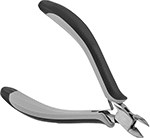 | 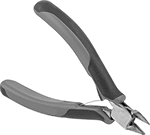 |
Cushion Grip | Ultra Grip |
 |  |
Oval Head | Tapered Head |
 |  |
Wire with Pointed Cut Profile | Wire with Semi-Flush Cut Profile |
Cut through nickel, spring steel, and other tough wires often found in the electronics and aerospace industry. These wire cutters have carbide-tipped blades that are harder and last longer than any other cutter we offer. Designed with a box joint, they keep their alignment, even after repeated use. Easily make repeat cuts with the spring-assisted jaws, which pop open when you release the handles. Also called diagonal-cutting pliers.
Oval Head—Oval-head cutters stay sharp longer than tapered-head cutters.
Tapered Head—Tapered-head cutters fit more easily in crowded spaces than oval-head cutters, but they dull more quickly.
Ultra Grip—Cutters with an ultra grip have handles with a comfortable, slip-resistant grip.
Pointed—Pointed cutters produce a deeply pointed, pinched end that works well with electrical applications.
Semi-Flush—Semi-flush cutters produce a slightly pointed, pinched end and are more accurate than pointed-cut wire cutters.
Cut Profile—Cut profile refers to the amount of pinch left on the tip of the wire after it has been cut.
Jaw | For Wire | ||||||||||||||||||||||||||||||||||||||||||||||||||||||||||||||||||||||||||||||||||||||||||||||||||
|---|---|---|---|---|---|---|---|---|---|---|---|---|---|---|---|---|---|---|---|---|---|---|---|---|---|---|---|---|---|---|---|---|---|---|---|---|---|---|---|---|---|---|---|---|---|---|---|---|---|---|---|---|---|---|---|---|---|---|---|---|---|---|---|---|---|---|---|---|---|---|---|---|---|---|---|---|---|---|---|---|---|---|---|---|---|---|---|---|---|---|---|---|---|---|---|---|---|---|---|
Overall Lg. | Cut Profile | Cutting Edge Location | Lg. | Opening Style | Max. Dia. | Max. Ga. | Type | Material | Each | ||||||||||||||||||||||||||||||||||||||||||||||||||||||||||||||||||||||||||||||||||||||||||
Oval Head and Cushion Grip | |||||||||||||||||||||||||||||||||||||||||||||||||||||||||||||||||||||||||||||||||||||||||||||||||||
| 5" | Pointed | Side | 3/8" | Spring Assisted | 0.040" | 18 | Soft, Hardened | Steel | 0000000 | 0000000 | |||||||||||||||||||||||||||||||||||||||||||||||||||||||||||||||||||||||||||||||||||||||||
Oval Head and Ultra Grip | |||||||||||||||||||||||||||||||||||||||||||||||||||||||||||||||||||||||||||||||||||||||||||||||||||
| 4 3/4" | Semi-Flush | Side | 9/16" | Spring Assisted | 0.047" | 17 | Soft, Hardened | Steel | 0000000 | 000000 | |||||||||||||||||||||||||||||||||||||||||||||||||||||||||||||||||||||||||||||||||||||||||
Tapered Head and Ultra Grip | |||||||||||||||||||||||||||||||||||||||||||||||||||||||||||||||||||||||||||||||||||||||||||||||||||
| 4 3/4" | Semi-Flush | Side | 9/16" | Spring Assisted | 0.032" | 20 | Soft, Hardened | Steel | 0000000 | 000000 | |||||||||||||||||||||||||||||||||||||||||||||||||||||||||||||||||||||||||||||||||||||||||
Corrosion-Resistant Wire Cutters with Carbide Blades
 | |
Wire with Semi-Flush Cut Profile |
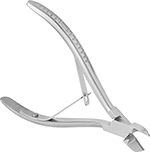
Cut steel, spring steel, and other hard wire without worrying about your wire cutters rusting. Made of tungsten carbide, the blades on these cutters are the hardest, longest lasting ones in our wire cutter offering. Both the blades and the stainless steel body on these cutters resist corrosion, so they won’t rust from use or storage in damp areas. These wire cutters make semi-flush cuts, producing a slightly pointed, pinched end. Generally more accurate than pointed cuts, semi-flush cuts are the most commonly used in electronics assembly. These wire cutters are also known as diagonal-cutting pliers.
Jaw | For Wire | ||||||||||||||||||||||||||||||||||||||||||||||||||||||||||||||||||||||||||||||||||||||||||||||||||
|---|---|---|---|---|---|---|---|---|---|---|---|---|---|---|---|---|---|---|---|---|---|---|---|---|---|---|---|---|---|---|---|---|---|---|---|---|---|---|---|---|---|---|---|---|---|---|---|---|---|---|---|---|---|---|---|---|---|---|---|---|---|---|---|---|---|---|---|---|---|---|---|---|---|---|---|---|---|---|---|---|---|---|---|---|---|---|---|---|---|---|---|---|---|---|---|---|---|---|---|
Overall Lg. | Cut Profile | Cutting Edge Location | Lg. | Opening Style | Max. Dia. | Max. Ga. | Type | Performance | Material | Each | |||||||||||||||||||||||||||||||||||||||||||||||||||||||||||||||||||||||||||||||||||||||||
Oval Head and Plain Grip | |||||||||||||||||||||||||||||||||||||||||||||||||||||||||||||||||||||||||||||||||||||||||||||||||||
| 4 1/2" | Semi-Flush | Side | 1/2" | Manual | 0.012" | 28 | Hardened | Corrosion Resistant | Stainless Steel | 0000000 | 000000 | ||||||||||||||||||||||||||||||||||||||||||||||||||||||||||||||||||||||||||||||||||||||||
Static-Control Wire Cutters with Carbide Blades
 |  |
 |  | |
Oval Head | Tapered Head | Wire with Pointed Cut Profile |
|  | |
Wire with Semi-Flush Cut Profile | Wire with Flush Cut Profile |
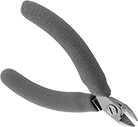
Tungsten carbide cutting edges are bonded to the jaws for long life. The grips drain static from your application, preventing buildup from electrostatic discharge (ESD) that can damage sensitive equipment. These cutters have spring-assisted jaws that open automatically when you release the handles. Also known as diagonal-cutting pliers.
Oval Head—Oval-head cutters are more durable than tapered-head cutters.
Tapered Head—Tapered-head cutters fit more easily in tight spaces but are less durable than oval-head cutters.
Ultra Grip—Ultra-grip cutters have grips made of plastic and rubber for slip resistance and comfort during repeated cuts.
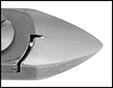
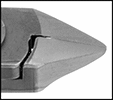
Pointed—Pointed cutters produce a deeply pointed, pinched end. Use for electrical and general applications.
Semi-Flush—Semi-flush cutters are the most widely used for electronics assembly and produce a slightly pointed, pinched end. They are generally more accurate than pointed-cut tools.
Flush—Flush cutters produce a cut with virtually no pinch, creating clean connections for easy soldering. Flush-cut tools don’t last as long as pointed and semi-flush.
Static Dissipative—Static-dissipative tools divert static faster than antistatic tools.
Cut Profile—Cut profile refers to the amount of pinch left on the tip of the wire after it has been cut.
Head Offset Angle—Cutters with an offset head are also known as oblique-head cutters.
Jaw | For Wire | ||||||||||||||||||||||||||||||||||||||||||||||||||||||||||||||||||||||||||||||||||||||||||||||||||
|---|---|---|---|---|---|---|---|---|---|---|---|---|---|---|---|---|---|---|---|---|---|---|---|---|---|---|---|---|---|---|---|---|---|---|---|---|---|---|---|---|---|---|---|---|---|---|---|---|---|---|---|---|---|---|---|---|---|---|---|---|---|---|---|---|---|---|---|---|---|---|---|---|---|---|---|---|---|---|---|---|---|---|---|---|---|---|---|---|---|---|---|---|---|---|---|---|---|---|---|
Overall Lg. | Cut Profile | Cutting Edge Location | Head Offset Angle | Lg. | Opening Style | Max. Dia. | Max. Ga. | Type | Performance | Surface Resistivity | Material | Each | |||||||||||||||||||||||||||||||||||||||||||||||||||||||||||||||||||||||||||||||||||||||
Oval Head and Cushion Grip | |||||||||||||||||||||||||||||||||||||||||||||||||||||||||||||||||||||||||||||||||||||||||||||||||||
| 4 1/2" | Flush | Side | — | 1/2" | Manual | 0.059" | 16 | Soft, Hardened | Static Control, Static Dissipative | 1× 10^9 ohm/sq. | Steel | 0000000 | 0000000 | ||||||||||||||||||||||||||||||||||||||||||||||||||||||||||||||||||||||||||||||||||||||
Oval Head and Ultra Grip | |||||||||||||||||||||||||||||||||||||||||||||||||||||||||||||||||||||||||||||||||||||||||||||||||||
| 5" | Semi-Flush | Side | — | 7/16" | Spring Assisted | 0.040" | 18 | Soft, Hardened | Static Control, Static Dissipative | 1× 10^4Ω⋅cm to 1× 10^7Ω⋅cm | Steel | 0000000 | 000000 | ||||||||||||||||||||||||||||||||||||||||||||||||||||||||||||||||||||||||||||||||||||||
Tapered Head and Cushion Grip | |||||||||||||||||||||||||||||||||||||||||||||||||||||||||||||||||||||||||||||||||||||||||||||||||||
| 4 1/4" | Pointed | Side | — | 1/2" | Spring Assisted | 0.057" | 15 | Soft, Hardened | Antistatic, Static Control | — | Steel | 000000 | 000000 | ||||||||||||||||||||||||||||||||||||||||||||||||||||||||||||||||||||||||||||||||||||||
| 4 1/2" | Flush | Side | — | 1/2" | Manual | 0.059" | 16 | Soft, Hardened | Static Control, Static Dissipative | 1× 10^9 ohm/sq. | Steel | 0000000 | 000000 | ||||||||||||||||||||||||||||||||||||||||||||||||||||||||||||||||||||||||||||||||||||||
Tapered Head and Ultra Grip | |||||||||||||||||||||||||||||||||||||||||||||||||||||||||||||||||||||||||||||||||||||||||||||||||||
| 4 3/4" | Flush | Side | 29° | 7/16" | Spring Assisted | 0.040" | 18 | Soft, Hardened | Static Control, Static Dissipative | 1× 10^4Ω⋅cm to 1× 10^7Ω⋅cm | Steel | 0000000 | 000000 | ||||||||||||||||||||||||||||||||||||||||||||||||||||||||||||||||||||||||||||||||||||||
| 5" | Flush | Side | — | 7/16" | Spring Assisted | 0.040" | 18 | Soft, Hardened | Static Control, Static Dissipative | 1× 10^4Ω⋅cm to 1× 10^7Ω⋅cm | Steel | 0000000 | 000000 | ||||||||||||||||||||||||||||||||||||||||||||||||||||||||||||||||||||||||||||||||||||||
Static-Control Optical Fiber Cutters with Carbide Blades
|
|
Oval Head |
|
Wire with Semi-Flush Cut Profile |
Cut cleanly through the thin optical fibers found in fiber optic cable, including those protected by Kevlar, without building up electrostatic discharge (ESD). Made of tungsten carbide, the blades on these cutters are the hardest, longest lasting ones in our wire cutter offering. To prevent damage to sensitive components, the grips drain static away from the blades. The spring-assisted jaws open automatically when you release the handles. Also known as diagonal-cutting pliers.
Jaw | For Wire | ||||||||||||||||||||||||||||||||||||||||||||||||||||||||||||||||||||||||||||||||||||||||||||||||||
|---|---|---|---|---|---|---|---|---|---|---|---|---|---|---|---|---|---|---|---|---|---|---|---|---|---|---|---|---|---|---|---|---|---|---|---|---|---|---|---|---|---|---|---|---|---|---|---|---|---|---|---|---|---|---|---|---|---|---|---|---|---|---|---|---|---|---|---|---|---|---|---|---|---|---|---|---|---|---|---|---|---|---|---|---|---|---|---|---|---|---|---|---|---|---|---|---|---|---|---|
Overall Lg. | Cut Profile | Cutting Edge Location | Lg. | Opening Style | Max. Dia. | Max. Ga. | Type | Performance | Material | Each | |||||||||||||||||||||||||||||||||||||||||||||||||||||||||||||||||||||||||||||||||||||||||
Oval Head and Cushion Grip | |||||||||||||||||||||||||||||||||||||||||||||||||||||||||||||||||||||||||||||||||||||||||||||||||||
| 4 1/2" | Semi-Flush | Side | 1/2" | Spring Assisted | 9 μm 0.057" | __ 15 | Optical Fiber Soft, Hardened, Kevlar | Antistatic, Static Control | Steel | 0000000 | 0000000 | ||||||||||||||||||||||||||||||||||||||||||||||||||||||||||||||||||||||||||||||||||||||||
