

Clear All
Container Type Container Type |
|---|
 | Can |
For Use With For Use With |
|---|
For Maximum Thread Diameter For MaximumThread Diameter |
|---|
|
Manufacturer Manufacturer | Show |
|---|
|
Manufacturer Manufacturer | Hide |
|---|
Maximum Temperature Maximum Temperature |
|---|
|
Maximum Pressure for Gases Maximum Pressure for Gases |
|---|
|
Color Color |
|---|
 | Green |
Cure Type Cure Type |
|---|
|
For Use Outdoors For Use Outdoors |
|---|
|
Consistency Consistency |
|---|
|
Type Type |
|---|
|
Container Size Container Size |
|---|
|
Locking Strength Locking Strength |
|---|
|
Maximum Pressure for Fluids Maximum Pressure for Fluids |
|---|
|
Clarity Clarity |
|---|
|
DFARS (Defense Acquisition Regulations Supplement) DFARS (Defense AcquisitionRegulations Supplement)  |
|---|
RoHS (Restriction of Hazardous Substances) RoHS (Restriction ofHazardous Substances) |
|---|
|
Minimum Temperature Minimum Temperature |
|---|
|
Mixing Required Mixing Required |
|---|
|
About Sealant Flexibility
More
Non-Hardening Thread Sealants
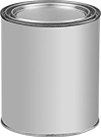
Often used in high-vibration applications that could cause standard thread sealants to fail, these never fully harden and remain pliable enough to self-heal and stop leaks before they start. They have low locking strength, so they can be adjusted without tools.