


Clear All
Material Material |
|---|
|

System of Measurement System of Measurement |
|---|
|
Length Length | Show |
|---|
|
Length Length | Hide |
|---|
Cable Tie Style Cable Tie Style |
|---|
 |  |
| Standard | Extra Wide |
Breaking Strength Breaking Strength |
|---|
|
Color Color |
|---|
 | Black |
Maximum Temperature Maximum Temperature |
|---|
|
UV Protection UV Protection |
|---|
|
Closure Type Closure Type |
|---|
 | Lock |
Body Style Body Style |
|---|
|
REACH (Registration, Evaluation, Authorization and Restriction of Chemicals) REACH (Registration,Evaluation, Authorization and Restriction of Chemicals) |
|---|
|
RoHS (Restriction of Hazardous Substances) RoHS (Restriction ofHazardous Substances) |
|---|
|
DFARS (Defense Acquisition Regulations Supplement) DFARS (Defense AcquisitionRegulations Supplement)  |
|---|
Useful Life Useful Life |
|---|
|
Minimum Temperature Minimum Temperature |
|---|
|
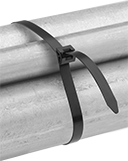
High-Strength Cable Ties
A
These strong, wide ties are often used as an alternative to metal strapping.
Acetal and PPS ties resist moisture and chemicals.
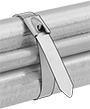
Stainless Steel Cable Ties
Solid Locking
For use in the harshest environments, these ties withstand chemicals and UV rays.
Solid locking ties have a locking ball in the head for a strong hold.
Use the optional tensioning tool for more tension than hand tightening.