

Filter by
For Joining
For Use On
Environment


Performance
Maximum Temperature
Shear Strength


Manufacturer Model Name
Consistency
Cure Type
Container Size
Minimum Temperature
RoHS

Export Control Classification Number (ECCN)
DFARS Specialty Metals

About Structural Adhesives
%20--%3e%3csvg%20version='1.1'%20id='Layer_1'%20xmlns='http://www.w3.org/2000/svg'%20xmlns:xlink='http://www.w3.org/1999/xlink'%20x='0px'%20y='0px'%20viewBox='0%200%20400%20400'%20style='enable-background:new%200%200%20400%20400;'%20xml:space='preserve'%3e%3cstyle%20type='text/css'%3e%20.st0{fill:%231A70A0;}%20.st1{opacity:0.5;}%20%3c/style%3e%3cg%3e%3cg%3e%3cpath%20class='st0'%20d='M200,56.9c38.35,0,74.4,14.93,101.51,42.05c27.11,27.11,42.05,63.17,42.05,101.51s-14.93,74.4-42.05,101.51%20S238.35,344.02,200,344.02s-74.4-14.93-101.51-42.05c-27.11-27.11-42.05-63.17-42.05-101.51s14.93-74.4,42.05-101.51%20S161.65,56.9,200,56.9%20M200,12.9C96.41,12.9,12.44,96.88,12.44,200.46c0,103.59,83.97,187.56,187.56,187.56%20c103.59,0,187.56-83.97,187.56-187.56C387.56,96.88,303.59,12.9,200,12.9L200,12.9z'/%3e%3c/g%3e%3cg%3e%3cg%20class='st1'%3e%3cpath%20class='st0'%20d='M235.49,152.24h16.15l-27.46,111.87c-1.94,7.8-2.91,12.5-2.91,14.1c0,1.82,0.58,3.29,1.73,4.41%20c1.16,1.12,2.69,1.68,4.61,1.68c5.23,0,11.78-3.85,19.63-11.55l17.22,21.34c-16.95,17.33-34.87,26-53.78,26%20c-8.37,0-15.45-1.47-21.23-4.41c-5.79-2.94-10.44-7.25-13.95-12.92c-3.51-5.67-5.27-11.18-5.27-16.53c0-1.93,0.35-5.24,1.05-9.94%20c1-6.94,2.05-12.54,3.15-16.82l15.22-62.15h-32.69l7.65-30.97C190.89,163.58,214.53,158.88,235.49,152.24z%20M230.44,80.84%20c8.24,0,14.66,2.62,19.26,7.86c4.6,5.24,6.9,11.55,6.9,18.94c0,5.46-1.42,10.7-4.25,15.73c-2.83,5.03-6.88,9.07-12.12,12.12%20c-5.24,3.05-10.33,4.57-15.24,4.57c-4.6,0-9.17-1.23-13.72-3.69c-4.55-2.46-8.02-5.78-10.43-9.95%20c-2.41-4.17-3.61-8.67-3.61-13.48c0-5.35,1.52-10.64,4.57-15.89c3.05-5.24,7.03-9.25,11.96-12.04%20C218.68,82.23,224.24,80.84,230.44,80.84z'/%3e%3c/g%3e%3cg%3e%3cpath%20class='st0'%20d='M214.08,152.24h16.15l-27.46,111.87c-1.94,7.8-2.91,12.5-2.91,14.1c0,1.82,0.58,3.29,1.73,4.41%20c1.16,1.12,2.69,1.68,4.61,1.68c5.23,0,11.78-3.85,19.63-11.55l17.22,21.34c-16.95,17.33-34.87,26-53.78,26%20c-8.37,0-15.45-1.47-21.23-4.41c-5.79-2.94-10.44-7.25-13.95-12.92c-3.51-5.67-5.27-11.18-5.27-16.53c0-1.93,0.35-5.24,1.05-9.94%20c1-6.94,2.05-12.54,3.15-16.82l15.22-62.15h-32.69l7.65-30.97C169.48,163.58,193.11,158.88,214.08,152.24z%20M209.03,80.84%20c8.24,0,14.66,2.62,19.26,7.86c4.6,5.24,6.9,11.55,6.9,18.94c0,5.46-1.42,10.7-4.25,15.73c-2.83,5.03-6.88,9.07-12.12,12.12%20c-5.24,3.05-10.33,4.57-15.24,4.57c-4.6,0-9.17-1.23-13.72-3.69c-4.55-2.46-8.02-5.78-10.43-9.95%20c-2.41-4.17-3.61-8.67-3.61-13.48c0-5.35,1.52-10.64,4.57-15.89c3.05-5.24,7.03-9.25,11.96-12.04%20C197.26,82.23,202.83,80.84,209.03,80.84z'/%3e%3c/g%3e%3c/g%3e%3c/g%3e%3c/svg%3e)
Compare epoxy, acrylic, and urethane adhesive options. Then learn about adhesive performance measures and best practices to create a strong bond.
Epoxy Structural Adhesives for Harsh Environments
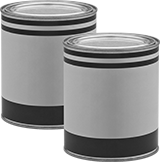 | 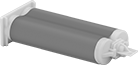 |
Can | Cartridge |
With excellent resistance to corrosive chemicals, these epoxies maintain bonds in tough conditions.
Epoxies are the strongest and most chemical-resistant structural adhesives. They bond especially well on metal. Choose an adhesive that hardens quickly for fast repairs, or one that hardens slowly to allow more time for positioning.
These adhesives come in two parts that need to be mixed. The container size listed is the combined total of the two parts.
Model Number E-120HP—Resist acetone, fuel, and oil. These adhesives also bond dissimilar materials and withstand rapid changes in temperature.
Model Number 14415—Resist acids and oils.
Model Number 9430—Resist fuel and hydraulic fluid.
Cartridge—To mix and dispense these adhesives, you'll need a mixer nozzle and dispensing gun.
Paste—Thicker than liquid adhesives but still spreadable—good for filling gaps and covering surfaces.
Thick Liquid—Flow into narrower gaps than gels and pastes, but thick enough to stay put on uneven surfaces.
Mfr. Model | Container | Strength | |||||||||||||||
|---|---|---|---|---|---|---|---|---|---|---|---|---|---|---|---|---|---|
Name | No. | Size | Type | Begins to Harden | Reaches Full Strength | Shear | Peel | Mix Ratio | Consistency | Viscosity, cP | Temp. Range, ° F | Environment | For Joining | Each | |||
Loctite® | |||||||||||||||||
| — | E-120HP | 1.69 fl. oz. | Cartridge | 2 hr. | 24 hr. | 4,300 psi | Not Rated | 2:1 | Thick Liquid | 30,000 | -65 to 250 | Corrosive, Harsh, Submersible | Ceramic, Metal, Plastic, Rubber, Metal to Plastic, Metal to Rubber, Plastic to Rubber | 6430A24 | 000000 | ||
| — | E-120HP | 6.76 fl. oz. | Cartridge | 2 hr. | 24 hr. | 4,300 psi | Not Rated | 2:1 | Thick Liquid | 30,000 | -65 to 250 | Corrosive, Harsh, Submersible | Ceramic, Metal, Plastic, Rubber, Metal to Plastic, Metal to Rubber, Plastic to Rubber | 1765A44 | 00000 | ||
| — | E-120HP | 13.5 fl. oz. | Cartridge | 2 hr. | 24 hr. | 4,300 psi | Not Rated | 2:1 | Thick Liquid | 30,000 | -65 to 250 | Corrosive, Harsh, Submersible | Ceramic, Metal, Plastic, Rubber, Metal to Plastic, Metal to Rubber, Plastic to Rubber | 1765A43 | 000000 | ||
| — | 9430 | 32 fl. oz. | Can | 50 min. | 5 day | 4,230 psi | 60 lbf/in. wd. | 3.78:1 | Thick Liquid | 12,000 | -65 to 180 | Corrosive, Harsh, Submersible | Metal, Plastic, Rubber, Metal to Plastic, Metal to Rubber, Plastic to Rubber | 1813A238 | 000000 | ||
| — | 9430 | 1.25 gal. | Can | 50 min. | 5 day | 4,230 psi | 60 lbf/in. wd. | 3.78:1 | Thick Liquid | 12,000 | -65 to 180 | Corrosive, Harsh, Submersible | Metal, Plastic, Rubber, Metal to Plastic, Metal to Rubber, Plastic to Rubber | 1813A239 | 000000 | ||
Devcon | |||||||||||||||||
| HP 250 | 14415 | 13.5 fl. oz. | Cartridge | 65 min. | 7 day | 3,200 psi | 35 lbf/in. wd. | 2:1 | Paste | 105,000 | -65 to 250 | Corrosive, Harsh | Composite, Masonry, Metal, Plastic, Wood | 66215A35 | 000000 | ||
Other Structural Adhesives | |||||||||||||||||
| — | — | 1.69 fl. oz. | Cartridge | 30 min. | 24 hr. | 360 psi | Not Rated | 2:1 | Thick Liquid | 7,000 | -50 to 350 | Corrosive, Harsh, Submersible | Composite, Metal, Plastic, Rubber, Metal to Composite, Metal to Plastic, Metal to Rubber, Plastic to Composite, Plastic to Rubber, Rubber to Composite | 7513A3 | 00000 | ||
| — | — | 1.69 fl. oz. | Cartridge | 40 min. | 24 hr. | Not Rated | Not Rated | 2:1 | Thick Liquid | 10,000 | -65 to 350 | Corrosive, Harsh, Submersible | Metal, Plastic, Metal to Plastic | 7513A4 | 00000 | ||
Waterproof Epoxy Structural Adhesives
 |  |
Single-Use Packet | Stick |
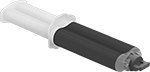 | 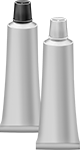 |
Syringe | Tube |
Even when used underwater, these adhesives maintain their strength. Epoxies are the strongest and most chemical-resistant adhesives. They bond especially well on metal.
These epoxies come in two parts that need to be mixed. The container size listed is the combined total of the two parts.
Paste—Thicker than liquid adhesives but still spreadable—good for filling gaps and covering surfaces.
Putty—Slice off a chunk and mold it into the shape you need.
Thick Liquid—Flow into narrower gaps than gels and pastes, but thick enough to stay put on uneven surfaces.
Container | Strength | |||||||||||||||
|---|---|---|---|---|---|---|---|---|---|---|---|---|---|---|---|---|
Mfr. Model No. | Size, fl. oz. | Type | Begins to Harden | Reaches Full Strength | Shear, psi | Peel | Mix Ratio | Consistency | Viscosity | Temp. Range, ° F | For Joining | Pkg. Qty. | Pkg. | |||
J-B Weld | ||||||||||||||||
MarineWeld | ||||||||||||||||
| 8272 | 2 | Tube | 6 hr. | 24 hr. | 1,800 | Not Rated | 1:1 | Paste | 250,000 cP | — | Composite, Metal, Plastic, Rubber | 1 | 7605A15 | 00000 | ||
| 50172 | 0.85 | Syringe | 5 min. | 1 hr. | 1,800 | Not Rated | 1:1 | Paste | 100,000 cP | -20 to 300 | Composite, Glass, Masonry, Metal, Plastic, Rubber, Wood | 1 | 7605A7 | 00000 | ||
WaterWeld | ||||||||||||||||
| 8277 | — | Stick | 25 min. | 60 min. | 900 | Not Rated | — | Putty | Not Rated | — | Composite, Metal, Plastic, Rubber | 1 | 7605A16 | 0000 | ||
Other Structural Adhesives | ||||||||||||||||
| — | — | Single-Use Packet | 25 min. | 7 day | 2,200 | Not Rated | 2.5:1 | Thick Liquid | 40,000 cP | 0 to 220 | Composite, Masonry, Metal | 10 | 7538A33 | 00000 | ||
Chemical-Resistant Acrylic Structural Adhesives
|
Cartridge |
Solvents, oils, acids, and other chemicals won't degrade the bond of these adhesives. Acrylics bond with the widest range of materials of any adhesive. They adhere to plastic especially well, requiring little surface preparation.
These adhesives come in two parts that need to be mixed. The container size listed is the combined total of the two parts.
Cartridge—To mix and dispense these adhesives, you'll need a mixer nozzle and dispensing gun.
Paste—Thicker than liquid adhesives but still spreadable—good for filling gaps and covering surfaces.
Container | Strength | ||||||||||||||
|---|---|---|---|---|---|---|---|---|---|---|---|---|---|---|---|
Mfr. Model No. | Size, fl. oz. | Type | Begins to Harden, min. | Reaches Full Strength, hr. | Shear, psi | Peel, lbf/in. wd. | Mix Ratio | Consistency | Viscosity, cP | Temp. Range, ° F | For Joining | Each | |||
Lord | |||||||||||||||
| 403/19 | 1.69 | Cartridge | 2 | 24 | 3,000 | 37 | 4:1 | Paste | 220,000 | -40 to 300 | Composite, Metal, Plastic, Rubber | 66195A26 | 000000 | ||
| 406/19 | 1.69 | Cartridge | 6 | 24 | 2,800 | 26 | 4:1 | Paste | 220,000 | -40 to 300 | Composite, Metal, Plastic, Rubber | 66195A27 | 00000 | ||
| 506/19 | 1.69 | Cartridge | 4 | 24 | 3,500 | 10 | 2:1 | Paste | 130,000 | -40 to 300 | Composite, Metal, Plastic, Rubber | 66195A14 | 00000 | ||
Epoxy Potting Compounds for Harsh Environments
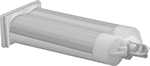 |
Tough enough to be permanently submersed in seawater, these compounds protect sensitive electronics, such as circuit boards, semiconductors, and sensors in harsh environments. They resist moisture, salt, and chemicals, so you can use them in corrosive oil, marine, and mining applications. These compounds can also be used within autoclaves. Because they are epoxies, they are rigid, resist wear, and create excellent electrical insulation. They withstand a wide range of temperatures, and this formulation won’t crack or split as components heat up and cool down.
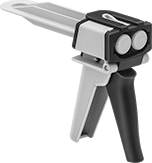
They come in a cartridge, so you can apply them precisely. To dispense, they require a mixer nozzle and gun (both sold separately).
Dry Time, hr. | |||||||||||||||
|---|---|---|---|---|---|---|---|---|---|---|---|---|---|---|---|
Container Size, fl. oz. | Consistency | Touch | Overall | Mixer Nozzle Included | Mix Ratio | Dielectric Strength, V/mil | Thermal Conductivity | Temp. Range, ° F | Environment | For Use On | Autoclavable | Each | |||
Cartridge Potting Compounds—Extra Hard | |||||||||||||||
| 1.69 | Thick Liquid | 12 | 24 | No | 2:1 | 500 | Not Rated | -50 to 350 | Corrosive, Harsh, Submersible | Brass, Bronze, Cast Iron, Copper, Steel, Stainless Steel, Titanium, Polycarbonate, Polyurethane Rubber, Glass, ABS, CPVC, HDPE, Nylon, PEEK, Polyethylene, Polyimide, Polypropylene, Polystyrene, PVC, PVDF, UHMW Polyethylene | Yes | 5872N11 | 000000 | ||

Pipe Cement for Corrosive Waste Plastic Pipe
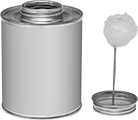 |
Because this cement won't break down when exposed to corrosive waste, it's often used on plastic pipe fittings in laboratories.
Urethane Potting Compounds for Harsh Environments
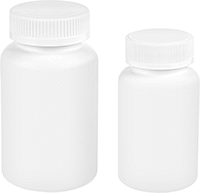 |
From shore to sea floor, these potting compounds are formulated for permanent submersion in water—even salt water. Use them to protect circuits and splices in pumps, underwater lighting, and other underwater electronics from corrosion and chemicals. Made of urethane, they withstand a wide range of temperatures, especially cold underwater conditions. They provide good electrical insulation and have excellent flexibility. Since they’re more flexible than epoxy compounds, they’re often used to protect against vibration and impact.
Mix the two parts of these compounds together and pour them over components inside a potting box or other container. If mixing causes air bubbles, put the mixture in a vacuum chamber to remove them.
Dry Time | ||||||||||||||||
|---|---|---|---|---|---|---|---|---|---|---|---|---|---|---|---|---|
Container Size, fl. oz. | Consistency | Touch, min. | Overall, hr. | Mix Ratio | Dielectric Strength, V/mil | Thermal Conductivity, W/(m⋅°C) | Temp. Range, ° F | Environment | For Use On | Color | Clarity | Cannot Be Sold To | Each | |||
Bottle Potting Compounds—Hard | ||||||||||||||||
| 12.6 | Thin Liquid | 10 | 24 | 2:1 | 370 | 0.3 | -55 to 245 | Corrosive, Harsh, Submersible | Aluminum, Brass, Bronze, Copper, Steel, Stainless Steel, Polycarbonate, Polyurethane Rubber, Ceramic, Glass, ABS, Garolite, Polyimide, PVC | Black | Opaque | Canada | 6094N11 | 000000 | ||
