

Filter by


Steel Grade
Export Control Classification Number (ECCN)

DFARS Specialty Metals
Heat Treating Temperature
Solution Type
Drying Time
Surface-Hardening Compounds for Steel
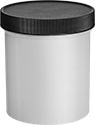
Pack-In Surface-Hardening Compounds for Steel
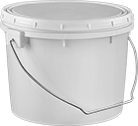
Surface-Protection Compounds for Steel
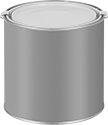 |  |
Can | Bottle |
When heat treating steel to harden it, use these compounds to protect the surfaces you don’t want to harden. Also known as stop-off paint, all are compatible with gas mixtures that are used in gas carburizing and carbonitriding processes. Brush or dip the compounds on your surfaces and then air dry before heat treating. After heating, any residue that’s left behind can be easily washed away with hot water.
Solvent Based—Solvent-based compounds stand up to temperature and humidity better than water-based compounds, so they dry quicker. To maintain their original consistency, use the optional xylene to thin these compounds.
Water Based—Water-based compounds emit less VOCs (volatile organic compounds) than solvent-based compounds for less impact on the environment. To maintain their original consistency, simply use water to thin these compounds.
Cannot Be Sold To—Compounds cannot be sold to the listed areas due to VOC regulations.
Surface-Protection Compounds | Xylene | |||||||||||||
|---|---|---|---|---|---|---|---|---|---|---|---|---|---|---|
Container | ||||||||||||||
Size, qt. | Type | Material | Drying Time, hr. | For Max. Surface Temp., ° F | For Max. Treatment Temp., ° F | Cannot Be Sold To | Each | Container Size, pt. | Cannot Be Sold To | Each | ||||
Solvent Based | ||||||||||||||
| 1 | Can | Metal | 1 to 3 | 70 | 1,750 | Los Angeles County, CA; Orange County, CA; Riverside County, CA; San Bernardino County, CA | 4870N11 | 0000000 | 1 | California, Colorado, Connecticut, Delaware, Maryland, Michigan, New Hampshire, New York, Ohio, Outside United States, Rhode Island, Utah | 3190K289 | 00000 | ||
Water Based | ||||||||||||||
| 1 | Bottle | Plastic | 3 to 8 | 70 | 1,740 | — | 4870N13 | 000000 | — | — | ——— | 0 | ||
Charcoal
Quenching Oil
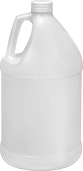 | 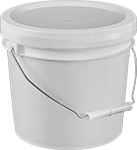 | 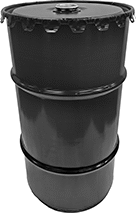 |
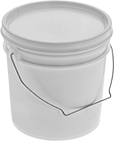
Jug | Pail | Drum |
Container | ||||||
|---|---|---|---|---|---|---|
For Use On | Size, gal. | Type | Each | |||
Fast (7-10 sec. Quench Time) | ||||||
| Carbon Steel, Low-Alloy Steel | 1 | Jug | 3202K4 | 000000 | ||
| Carbon Steel, Low-Alloy Steel | 5 | Pail | 3202K7 | 000000 | ||
| Carbon Steel, Low-Alloy Steel | 16 | Drum | 3202K12 | 000000 | ||
Medium (10-13 sec. Quench Time) | ||||||
| Low-Alloy Steel | 1 | Jug | 3202K16 | 00000 | ||
| Low-Alloy Steel | 5 | Pail | 3202K17 | 000000 | ||
| Low-Alloy Steel | 16 | Drum | 3202K18 | 000000 | ||
Slow (13-16 sec. Quench Time) | ||||||
| Low-Alloy Steel, High-Alloy Steel | 1 | Jug | 3202K13 | 00000 | ||
| Low-Alloy Steel, High-Alloy Steel | 5 | Pail | 3202K14 | 000000 | ||
| Low-Alloy Steel, High-Alloy Steel | 16 | Drum | 3202K15 | 000000 | ||
Very Slow (26-28 sec. Quench Time) | ||||||
| High-Alloy Steel | 1 | Jug | 3202K5 | 00000 | ||
| High-Alloy Steel | 5 | Pail | 3202K1 | 000000 | ||
| High-Alloy Steel | 16 | Drum | 3202K11 | 000000 | ||
Sodium Carbonate
