


Filter by


Solder Type
System of Measurement
Melting Temperature
For Use On
DFARS Specialty Metals
Export Control Classification Number (ECCN)

Specifications Met
Performance
Braze Type
Maximum Temperature
Minimum Temperature
Bar Solder
 |
Leaded, Flux Required
Material Composition | 1 lb. | |||||||||
|---|---|---|---|---|---|---|---|---|---|---|
Solder Alloy | Tin | Lead | Melting Temp., ° F | Lg. | Wd. | Ht. | Each | |||
For Joining Brass, Bronze, Copper, Nickel, Stainless Steel, and Steel | ||||||||||
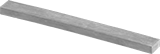
| Sn50Pb50 | 50% | 50% | 420 | 6" | 1" | 1/2" | 7663A12 | 000000 | ||
Bar Solder for Torch Soldering
|
Leaded, Flux Required
Material Composition | 1 lb. | |||||||||
|---|---|---|---|---|---|---|---|---|---|---|
Solder Alloy | Tin | Lead | Melting Temp., ° F | Lg. | Wd. | Ht. | Each | |||
For Joining Brass, Bronze, Copper, Nickel, Stainless Steel, and Steel | ||||||||||
| Pb60Sn40 | 40% | 60% | 460 | 6" | 1" | 1/2" | 7663A14 | 000000 | ||
Bar Solder for Electronics and Electrical Applications
Lead-Free, Flux Required
 |
Bar |
Lead-free solder is safer to use than leaded solder and helps meet industry regulations.
Material Composition | |||||||||||||||
|---|---|---|---|---|---|---|---|---|---|---|---|---|---|---|---|
Solder Alloy | Tin | Silver | Antimony | Copper | Lead | Melting Temp., ° F | Shape | Lg. | Wd. | Ht. | Wt., lb. | Each | |||
For Joining Brass, Bronze, and Copper | |||||||||||||||
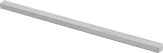
| Sn97Cu2Sb0.8Ag0.2 | 97% | 0.2% | 0.8% | 2% | 0% | 465 | Bar | 14" | 1/2" | 1/2" | 1 | 76805A73 | 0000000 | ||
High-Melting-Point Bar Solder for Electronics and Electrical Applications
Leaded, Flux Required
|
Material Composition | 1 lb. | ||||||||||
|---|---|---|---|---|---|---|---|---|---|---|---|
Solder Alloy | Tin | Silver | Lead | Melting Temp., ° F | Lg. | Wd. | Ht. | Each | |||
For Joining Brass, Bronze, Copper, Nickel, Stainless Steel, and Steel | |||||||||||
| Pb97.5Ag1.5Sn1 | 1% | 1.5% | 97.5% | 580 | 7" | 3/4" | 1/2" | 7663A15 | 000000 | ||
Bar Solder for Machine Soldering
|
Leaded, Flux Required
Material Composition | 1 lb. | |||||||||
|---|---|---|---|---|---|---|---|---|---|---|
Solder Alloy | Tin | Lead | Melting Temp., ° F | Lg. | Wd. | Ht. | Each | |||
For Joining Brass, Bronze, Copper, Nickel, Stainless Steel, and Steel | ||||||||||
| Pb70Sn30 | 30% | 70% | 480 | 9" | 3/4" | 1/2" | 7663A17 | 000000 | ||
Brazing Alloys for Carbide Tool Inserts
 |
Also known as trimetal brazing strips, these alloys have silver with nickel alloy sides and a copper core.
BAg-24—BAg-24 alloys work well with 300 series stainless steel. These alloys don’t contain any cadmium, so they’re safer to use than brazing alloys with cadmium and help meet industry regulations.
Material Composition | 1.1 oz. | 5.5 oz. | ||||||||||||||
|---|---|---|---|---|---|---|---|---|---|---|---|---|---|---|---|---|
AWS Material Code | Silver | Copper | Zinc | Cadmium | Nickel | Melting Temp. Range, ° F | Wd. | Ht. | Lg. | Each | Lg. | Each | ||||
For Joining Brass, Bronze, Carbide, Copper, and Steel | ||||||||||||||||
Flux Required, With Cadmium | ||||||||||||||||
| BAg-3 | 50% | 15.5% | 15.5% | 16% | 3% | 1,170 to 1,270 | 1" | 0.015" | 13" | 7759A11 | 0000000 | 68" | 7759A14 | 0000000 | ||
For Joining Brass, Bronze, Carbide, Copper, Stainless Steel, and Steel | ||||||||||||||||
Flux Required, Without Cadmium | ||||||||||||||||
| BAg-24 | 50% | 20% | 28% | 0% | 2% | 1,220 to 1,305 | 1" | 0.015" | 13" | 7759A12 | 000000 | 68" | 7759A68 | 000000 | ||
